Sodium Fire at Daejeon Factory Tests Firefighting, Threatens Global Auto Supply
A factory fire in Daejeon’s Daedeok district has proven stubborn in part because the site stored a notable amount of sodium, a reactive metal, on site. The blaze began at 1:17 p.m. and by early evening firefighters had not yet brought it under full control, with the effort hampered by the hazardous material.
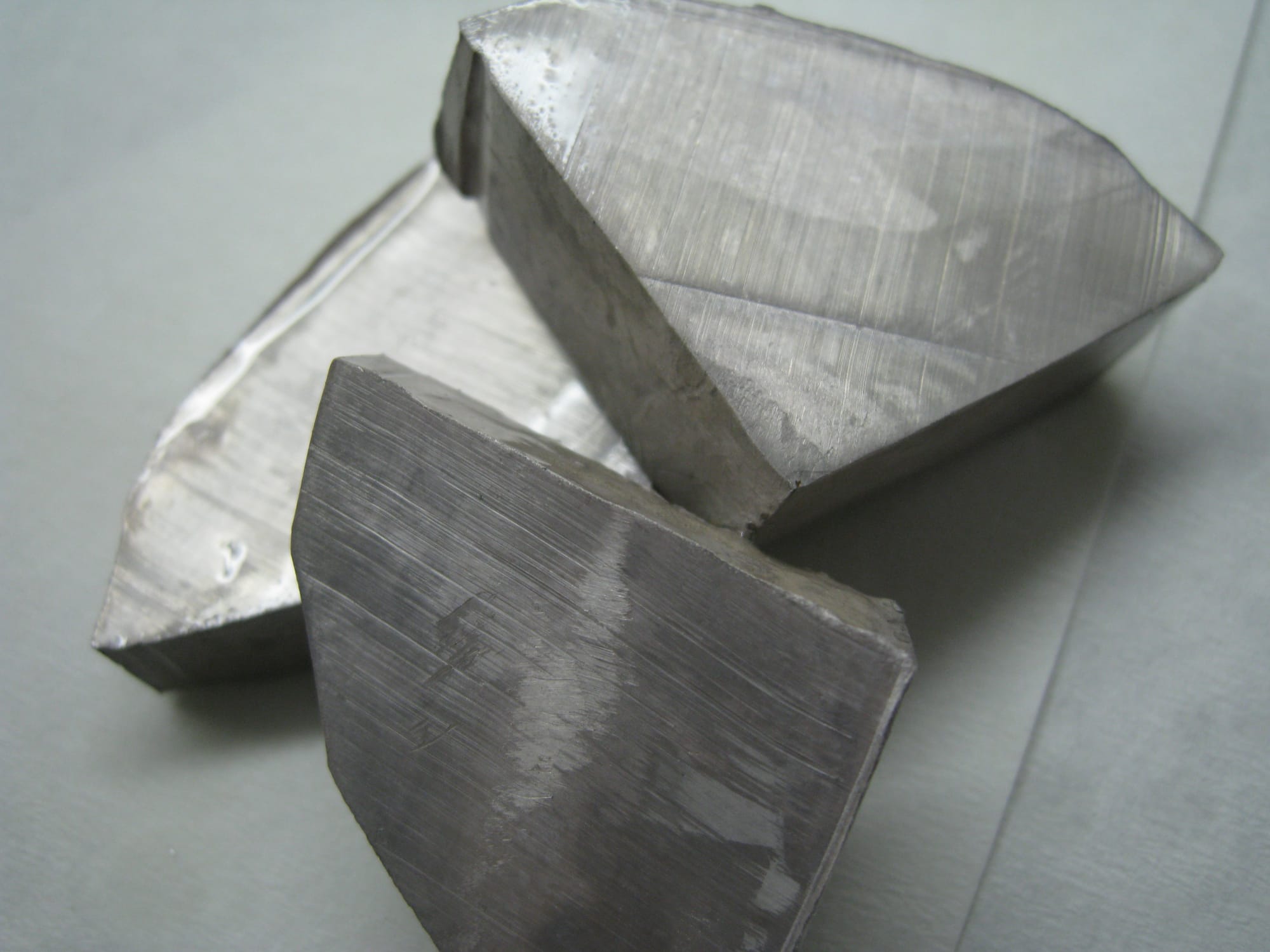
Authorities said the plant held 101 kilograms of sodium in total — 50 kilograms unused, and 51 kilograms as waste. Sodium is classified as a highly reactive metal that can explode on contact with water. In Korea, such materials are treated as Class 3 hazardous substances under the Dangerous Goods Safety Management Act.
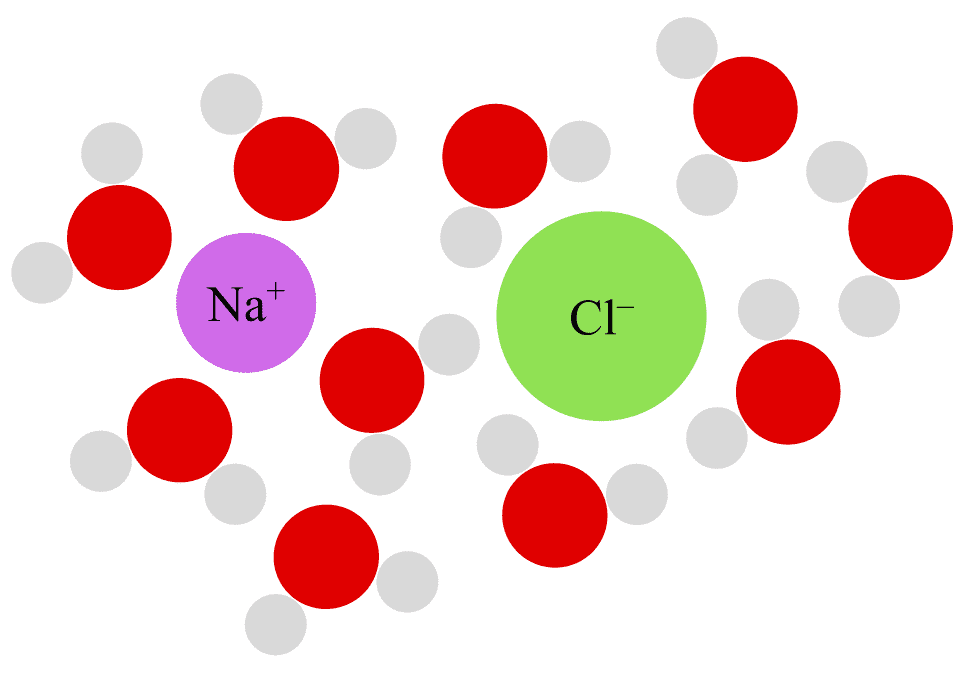
Fire officials and a fire safety expert noted that standard methods for quenching fires with water are dangerous here. When sodium meets water, hydrogen gas can be released and rapidly ignite, creating a risk of flash explosions. Fire crews instead rely on dry sand or inert mineral substances to smother the metal fires, a technique far less common for large, high-heat blazes.
The three-story assembly-style steel-framed factory presented additional challenges. Heat can deform the steel frame, increasing the danger of structural collapse. During the firefight, portions of the building reportedly sagged, narrowing the options for interior access and complicating containment.
By around 3:06 p.m., roughly two hours after the fire began, firefighters managed to move the sodium to a safety area. Once the sodium was removed, authorities requested aerial support to continue the suppression effort, indicating the removal itself had delayed the full extinguishing process.
The sodium is used in metal components for engine valves, a reminder of the plant’s role in automotive supply chains. Korea remains a major producer of metal materials and precision components for global automakers, and disruptions at a supplier site can ripple through manufacturing networks abroad, including the United States.
Daejeon is a central South Korean hub for science and technology, home to research institutes and many tech-adjacent manufacturers. The incident underscores the risks of handling hazardous metals in industrial settings and the need for specialized firefighting tactics that differ from conventional liquid-fuel fires.
As of the latest updates, firefighters had relocated the sodium and resumed targeted suppression efforts, but officials have not declared the blaze fully contained. The investigation and monitoring will continue as responders assess remaining hazards and structural stability at the site.