Kakao Mobility Launches Physical AI Hiring for Four Autonomous-Driving Roles
Kakao Mobility has opened a new “Physical AI” section on its careers page as it searches for four core autonomous-driving researchers and engineers. The company said it will conduct a focused hiring push through the 29th of the month, with no explicit cap on positions or the hiring window.
The four roles cover autonomous driving AI, autonomous driving SLAM (simultaneous localization and mapping), autonomous driving hardware, and autonomous driving electrical/electronic (E/E) engineering. Each position is aimed at candidates with at least five years of experience.
The autonomous driving AI engineer will focus on developing an integrated AI system using Vision-Language-Action models and optimizing machine-learning operations. The SLAM engineer will work to advance precise localization and mapping to improve the vehicle’s spatial perception.
HW and E/E engineers will be responsible for sensor design and the vehicle’s internal communications architecture. Kakao Mobility says the recruitment is part of a broader effort to strengthen its competitive edge by building an integrated AI framework that spans software and hardware.
In addition to these roles, the company is advancing other core technologies such as an AI planner, which handles autonomous decision-making, and an AI data pipeline for training and validation. Kim Jin-kyu, head of Kakao Mobility’s Physical AI division, said the recruitment will accelerate the company’s trajectory toward becoming a leading Physical AI-focused firm by deepening in-house capabilities.
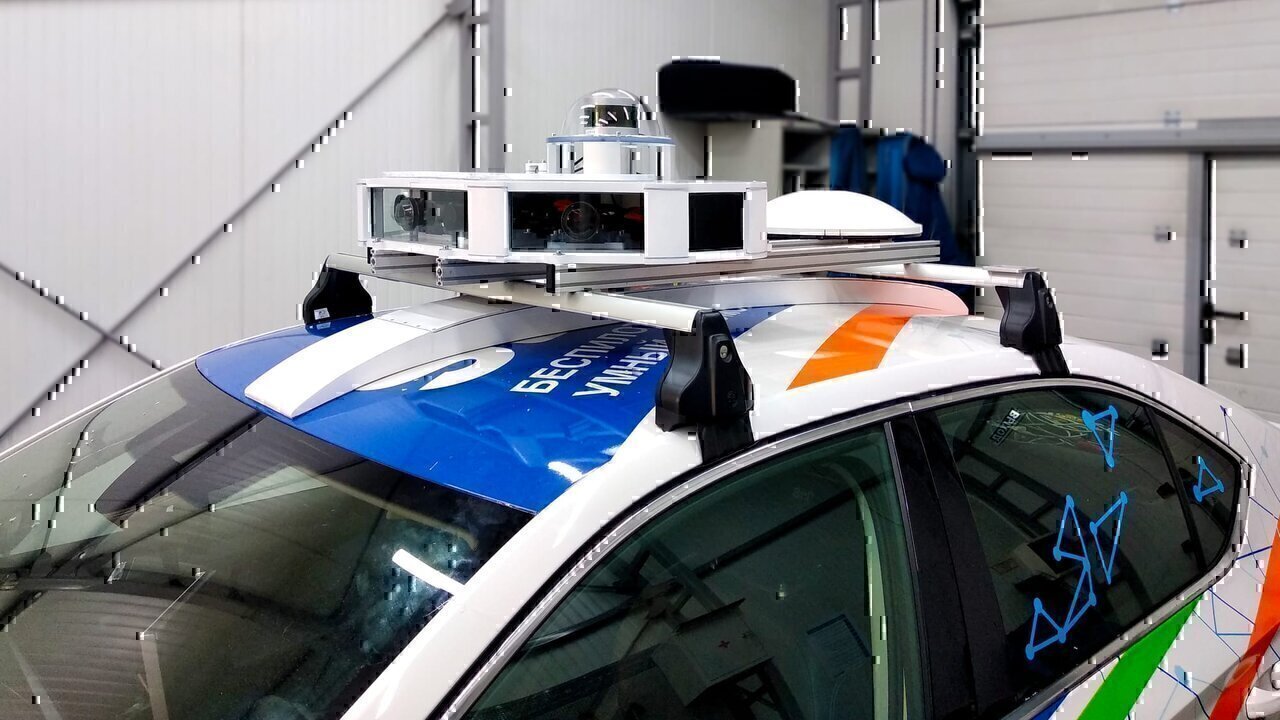
Kakao Mobility operates autonomous driving initiatives as part of Korea’s growing mobility tech ecosystem. The recruitment signals Korea’s emphasis on deepening in-country AI and hardware integration—a trend that matters for U.S. tech and automotive suppliers, as U.S. firms monitor cross-border talent access, supply-chain needs, and potential collaborations in advanced mobility.
For U.S. readers, the move highlights ongoing expansion in autonomous-driving talent in Asia and the global race to deploy integrated AI systems in vehicles. As Korean firms invest in end-to-end AI for mobility, U.S. automakers, chipmakers, and software firms may look to partnerships, joint research, or hiring collaborations to access specialized capabilities and supply chains.