South Korea to pilot factory-floor AI humanoid robots with KIMM, ETRI, KG Mobility
Korea’s Korea Institute of Machinery and Materials (KIMM), under the National Research Council of Science and Technology (NST), signed a three-way memorandum of understanding with the Electronics and Telecommunications Research Institute (ETRI) and KG Mobility (KGM) to jointly develop and pilot next-generation, manufacturing-site tailored AI humanoid robots. The agreement aims to advance “physical AI” and humanoid robots from lab concepts toward real industrial use, as part of Korea’s K-Moonshot program.
The collaboration emphasizes actual deployment on industry floors. By combining the top-tier capabilities of Korea’s research institutes with KGM’s manufacturing infrastructure, the partners plan to move beyond controlled lab tests and into KGM’s real automotive production line for field demonstrations.
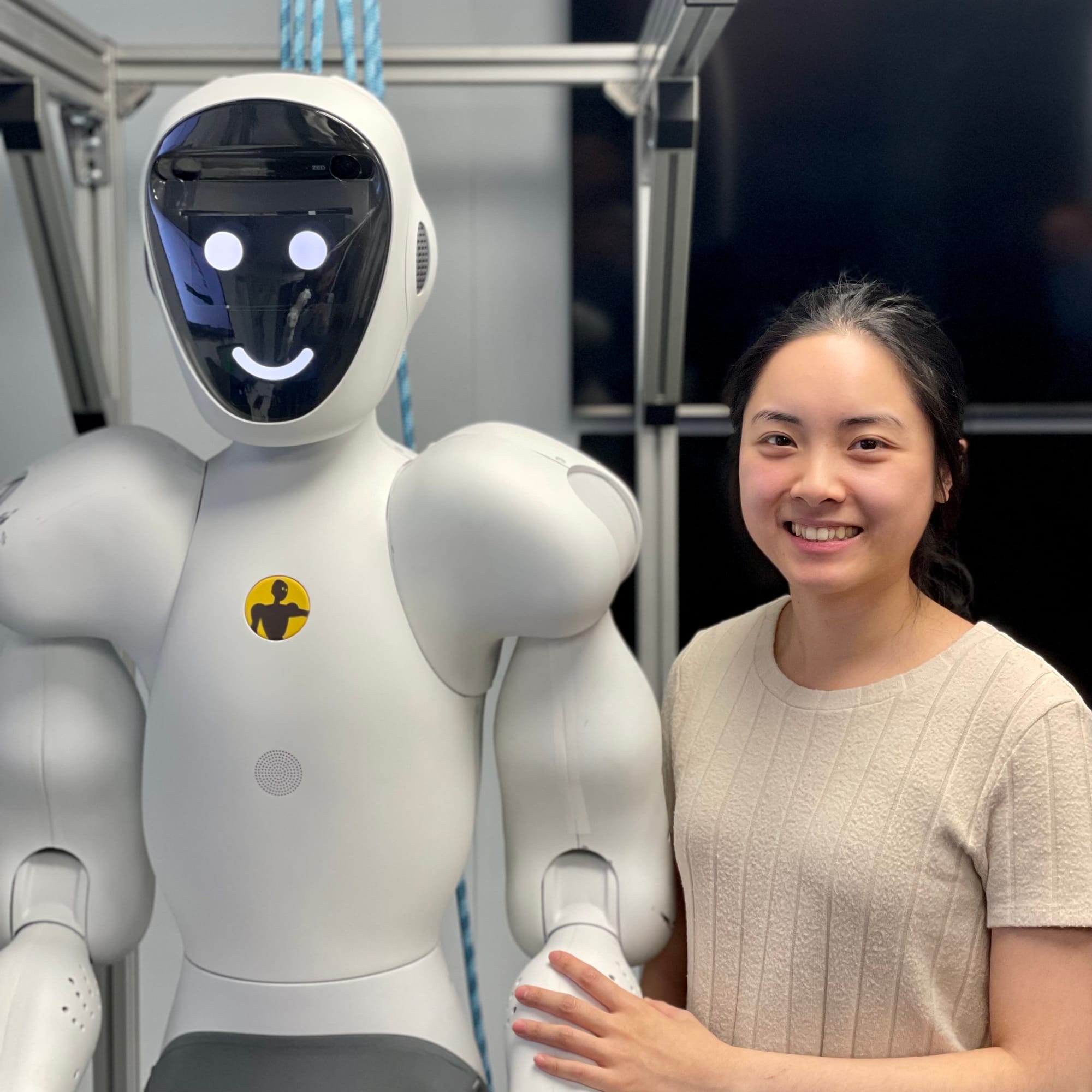
At the core of the MOU is the deployment of a standardized humanoid robot platform optimized for factory work, high-load operations, precise control, and comprehensive sensing. KIMM will lead the platform’s overall design and the development of high-performance drive modules and full-body sensing systems.
ETRI will focus on creating next-generation artificial intelligence capable of understanding the complexities of a manufacturing environment, interpreting workers’ language instructions, and autonomously determining and executing tasks on the factory floor.
KGM will provide the testbed by supplying actual vehicles and by using its assembly and inspection processes as the demonstration environment. The trials will specifically assess the robots’ ability to perform demanding tasks on real production lines while ensuring safety and adaptability when working alongside human workers.
Ryu Seok-hyeon, president of KIMM, said aligning customized humanoid development with the needs of real carmakers from the planning stage could significantly shorten commercialization timelines. He noted that building a strong industry-academia-research ecosystem spanning platform, intelligence, and demand would help transform manufacturing automation and boost Korea’s global competitiveness in robotics.