U.S. Mint Advances 24-karat Trump Portrait Gold Coin for 250th Anniversary
The U.S. Mint’s plan to issue a 24-karat gold commemorative coin bearing the image of a sitting president has moved forward, as the design for a Donald Trump portrait was unanimously approved on January 19 by the Citizens Coinage Advisory Committee, the independent panel that advises on coin designs for the federal government. The coin will be part of a broader effort to mark the United States’ 250th anniversary of independence.
On one side of the coin, the portrait shows Trump seated at a desk, looking straight ahead, while the other side depicts the nation’s bald eagle with wings spread. The coin’s diameter could be as large as 7.6 centimeters, a size the White House has reportedly favored in discussions, though the final specifications will be determined by the U.S. Mint.
The Trump commemorative coin is part of the Mint’s 250th-anniversary gold-coin program. After the CCAC approved the design, the Treasury and the Mint proceeded with the process to mint and issue the coin. The final size, weight and production details are to be decided by the Mint in consultation with Treasury officials.
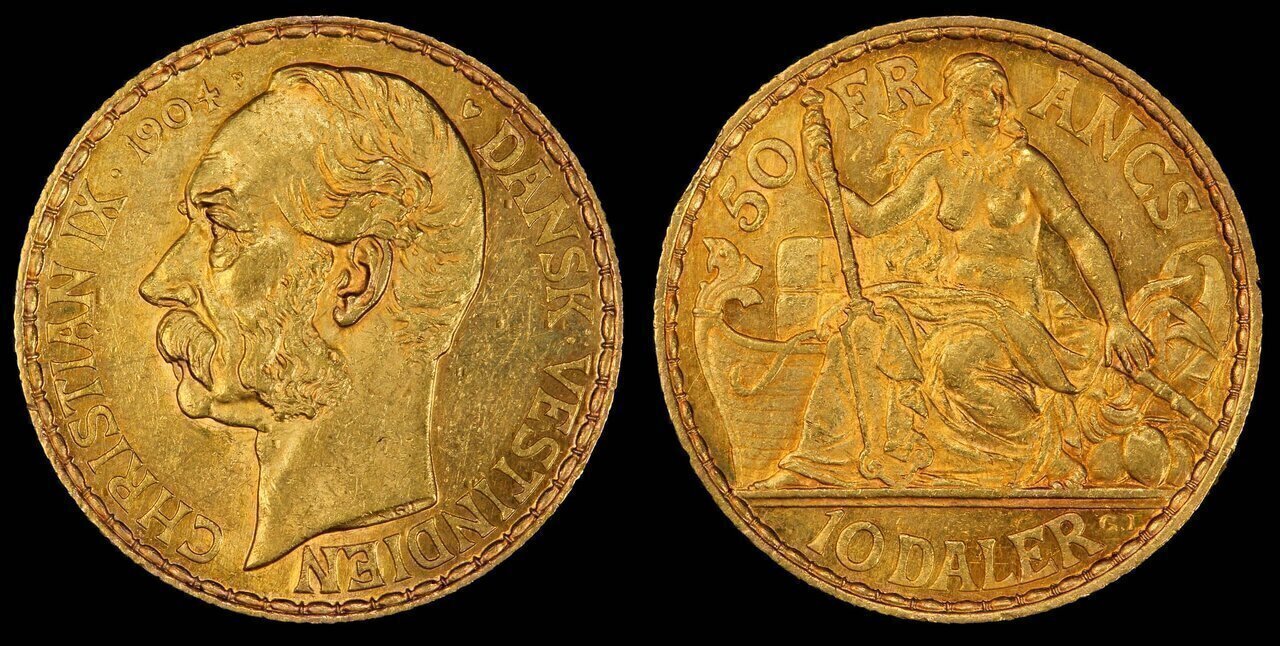
A legal question looms because U.S. law has long restricted portraits of living individuals on money and securities. The 1866 law commonly cited for this rule is sometimes described in media reports as the “Teier Amendment.” Proponents of the Trump coin argue that classifying the piece as a collectible keepsake rather than general circulation currency could avoid those restrictions, though the legal and regulatory approach remains contested.
This particular design is the third for the year approved by the advisory committee. Earlier in the year, the panel recommended two other designs for minting, one intended for general circulation and another for collectors’ items, illustrating the ongoing debate over what kinds of images appear on U.S. currency and commemoratives.
Details on the coin’s sale price have not been disclosed. Reports note that similar commemorative gold coins have fetched around $1,000 in the past, reflecting the premium placed on collectible, proof-like bullion pieces rather than ordinary currency.
The proposal has drawn political criticism. Democratic Senator Jeff Merkley of Oregon criticized the plan, saying that engraving a living head on a coin “is what kings or dictators do, not the leaders of a democracy.” The debate underscores broader tensions in the United States over national symbolism, presidential legacies, and the appropriate use of public money and national monuments.
For international readers, the episode matters beyond Korea because it highlights how the United States uses currency and commemorative coins to shape national memory and political narratives. It also signals potential implications for the U.S. bullion market, collectors’ markets, and the politics surrounding the upcoming 250th anniversary celebrations, all of which can ripple into perceptions of U.S. policy, reliability of mint programs, and even market attitudes toward gold-backed collectibles.