Iran strikes Ras Laffan LNG complex; Qatar could declare LNG force majeure.
Iran’s war has entered its 20th day, with Tehran saying it has struck Qatar’s Ras Laffan LNG industrial complex in a staging of retaliatory attacks on regional energy assets. The blast produced a towering blaze at a site that supplies a substantial portion of the world’s liquefied natural gas. QatarEnergy, the state-owned energy company, said about 17% of its LNG export capacity was damaged and that it could take three to five years to restore the facility’s full output.
Qatar has also signaled it could declare force majeure on long-term LNG supply contracts with customers, including South Korea and China. In other words, if the company invokes force majeure, some LNG shipments under these agreements could be excused from performance, at least temporarily, under international contract terms.
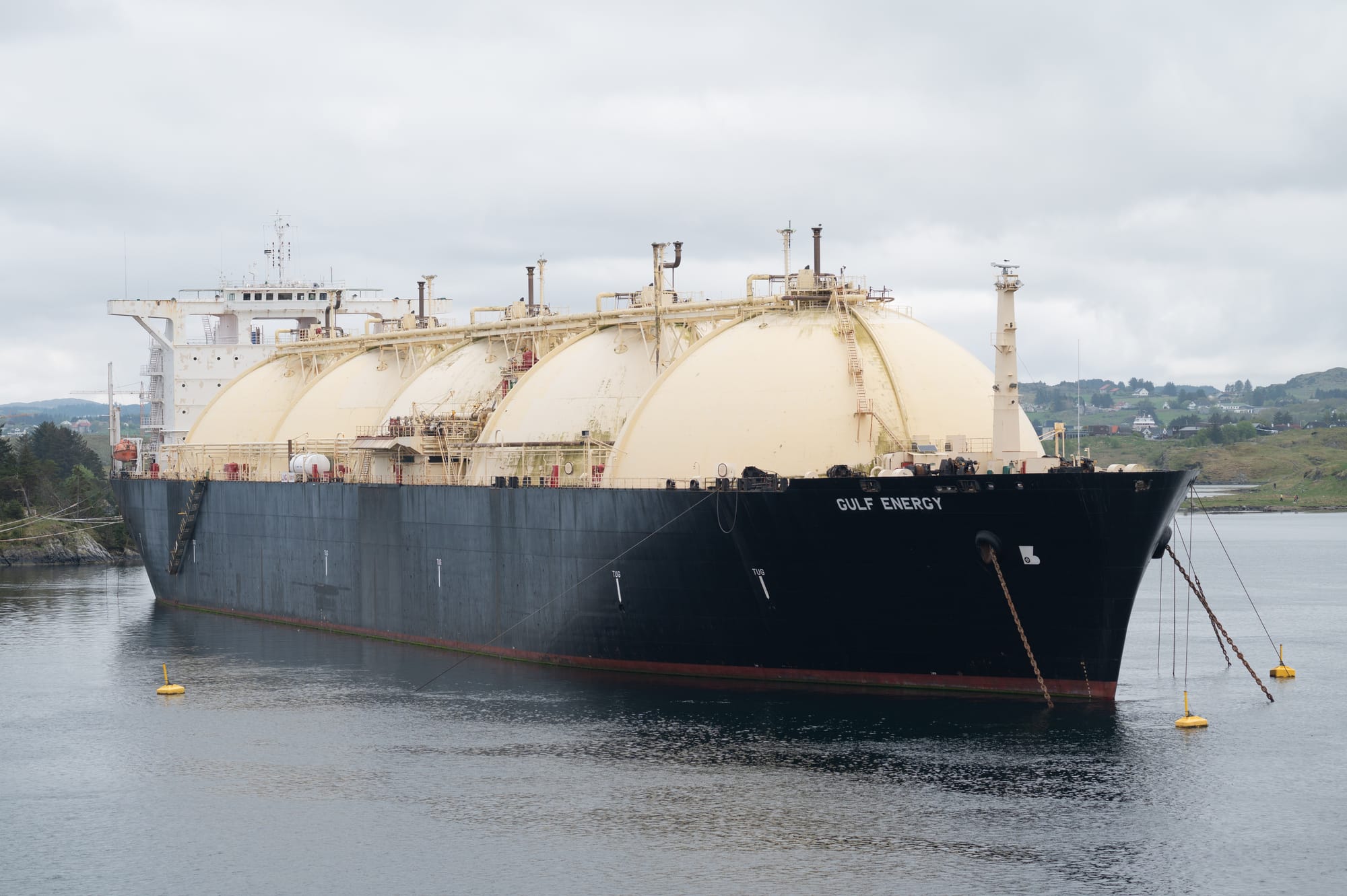
South Korea is a major LNG importer from Qatar, receiving roughly one-quarter to slightly more than one-quarter of its LNG supplies from Qatar. If force majeure is declared on those contracts, Korea’s broader industrial sector and households that rely on LNG-fired gas could face higher prices or tighter supply in the near term, depending on how contracts are navigated and rerouted.
Global energy markets already reacted to the disruption. Brent crude rose to about $108.65 per barrel, up around 1.2% on the day, while U.S. benchmark WTI finished near $96.14 per barrel, down about 0.2% as markets weighed signals of potential strategic stock releases.
In Seoul, the government is pursuing measures to bolster energy supply, including raising Korea’s nuclear power plant operating rate from around 60% to 80% and examining the potential use of Russian crude oil as part of contingency planning. These steps underscore how energy security considerations in Asia can intersect with broader policy choices amid a volatile Middle East energy backdrop.
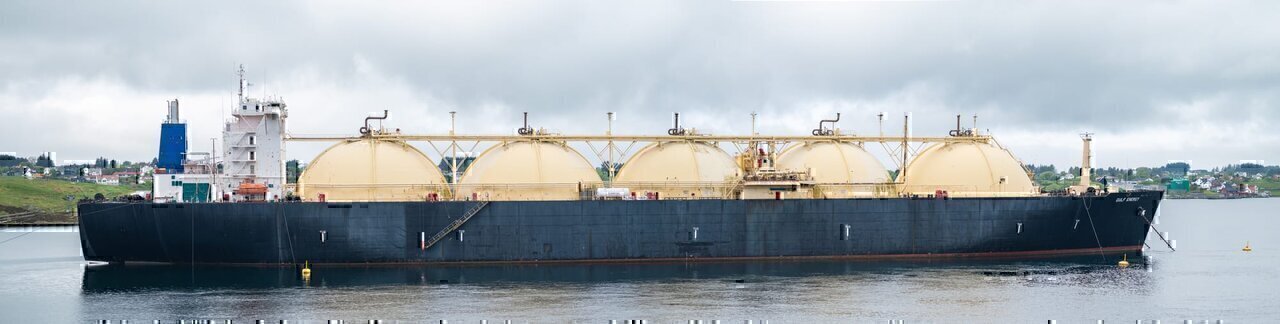
Ras Laffan, located north of Doha, is one of the world’s largest LNG export hubs, and QatarEnergy is the country’s primary state-controlled energy producer. Qatar plays a pivotal role in global LNG markets, supplying gas to customers across Asia and Europe under long-term contracts as buyers diversify sources to meet energy needs.
For the United States, the developments matter because LNG is a globally traded commodity whose prices and supply conditions influence U.S. natural gas prices, export markets for U.S.-produced LNG, and the resilience of energy-dependent industries. Prolonged damage to Ras Laffan could tighten global LNG supply chains, with potential ripple effects on energy policy, pricing, and strategic planning for American gas users and manufacturers.