Trump's Pearl Harbor remark during White House talks with Japan draws criticism
At the White House, President Donald Trump hosted Japanese Prime Minister Sanae Takai for a bilateral meeting. Toward the end of the talks, a Japanese journalist asked why Europe and Asia’s allied nations were not notified in advance about possible strikes on Iran.
Trump replied that “we wanted a surprise,” saying they did not inform anyone. He then added a provocative comparison, asking, “Who knows more about surprise than Japan? Why didn’t you talk about Pearl Harbor?”
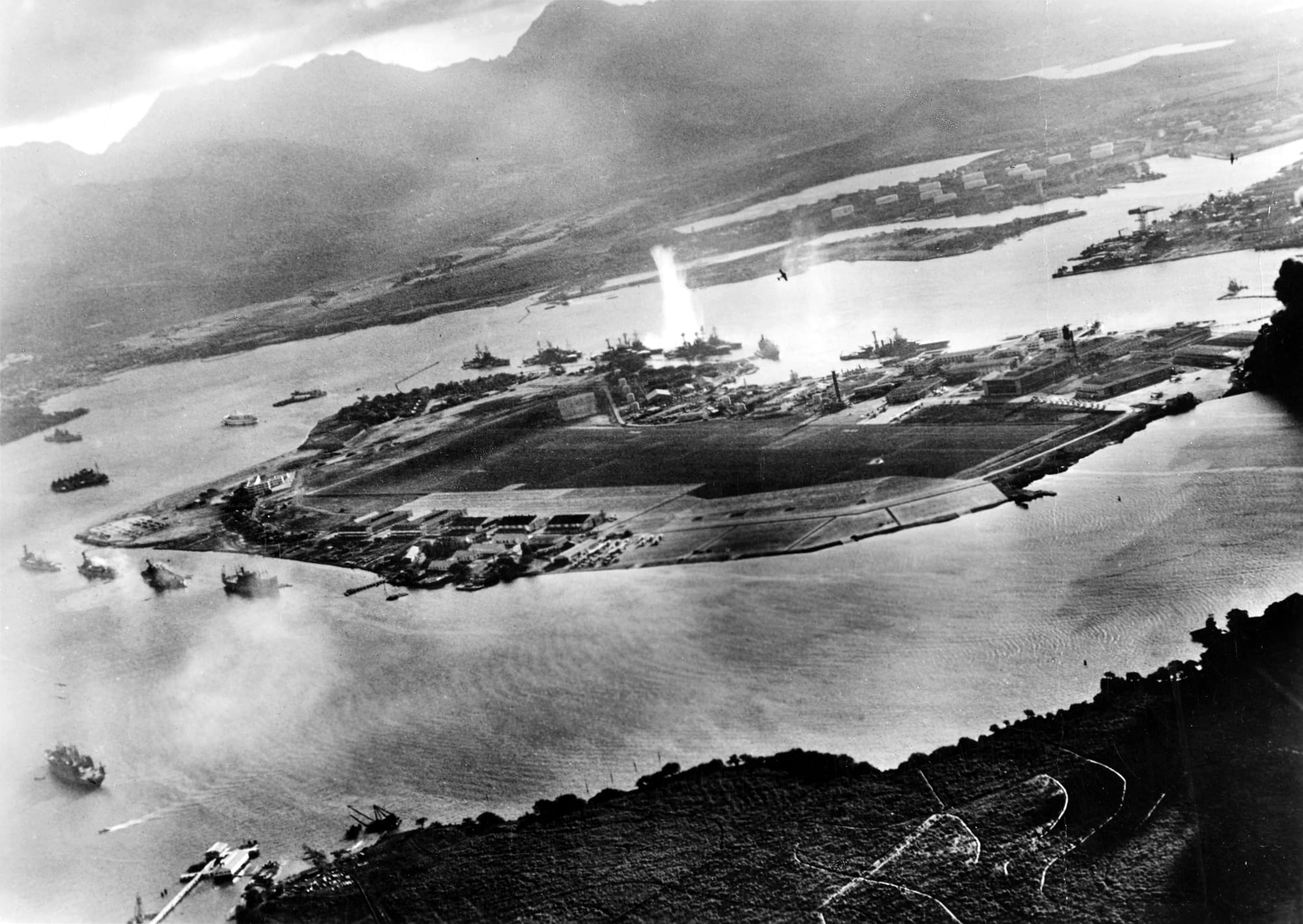
Pearl Harbor refers to the 1941 Japanese attack on the U.S. naval base in Hawaii, which killed more than 2,400 Americans and propelled the United States into World War II. The remark linked a historical surprise attack to current U.S. policy and raised questions about how allied states are informed about military actions.
The moment was described by attendees as prompting laughter from some White House aides and reporters, while Takai offered no verbal response but appeared visibly startled.
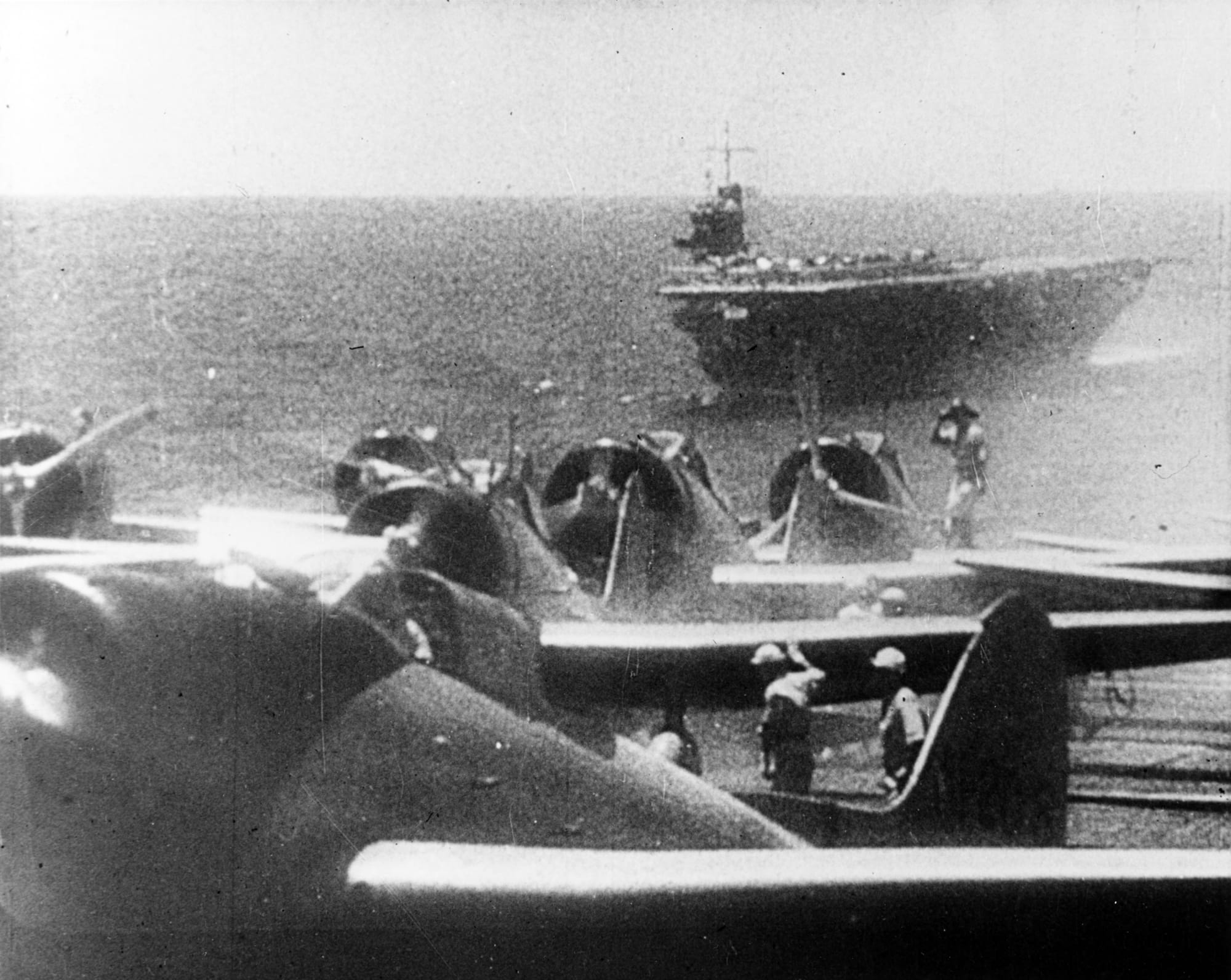
The New York Times noted that for decades U.S. presidents avoided harsh language about Pearl Harbor to protect the long-standing alliance with Japan and to emphasize strengthened ties since World War II. The Times characterized Trump’s remarks as a departure from that diplomatic tradition.
For U.S. readers, the exchange matters beyond Korea because the U.S.–Japan security partnership is central to regional stability, defense planning, and technology collaboration in the Asia-Pacific. PresidentTrump’s handling of sensitive topics and timing can influence allied trust, coordination on Iran policy, and the broader risk calculus for allied governments weighing how openly Washington communicates about potential or ongoing military actions.