South Korea Opposition Pushes Hormuz Deployment Debate to Bolster U.S.-Korea Alliance
Seoul — lawmakers from South Korea’s main opposition People Power Party urged the government to respond to Donald Trump’s call for Seoul to deploy naval forces to the Hormuz Strait, arguing that it would signal a shift in the Korea-U.S. alliance toward mutual contribution rather than dependence.
Ahn Cheol-soo used social media on March 19 to make the case that a Hormuz deployment should be viewed as part of a broader package of security, economic, and trade measures. He warned that if Hormuz were blocked, Korea would be a direct stakeholder, and he pressed for a strategy that combines military action with economic leverage in Washington’s diplomacy.
Ahn also linked any deployment to rapid progress on military capabilities, calling for explicit commitments on the early construction of nuclear-powered submarines and on expanding Korea’s rights to uranium enrichment and spent fuel reprocessing as part of the broader security measure.
Park Soo-young, deputy floor leader for the opposition on the National Assembly’s Budget and Economic Committee, told a meeting with domestic refiners that the Middle East crisis is no longer someone else’s war. He urged Korea to declare its participation in safeguarding Hormuz, arguing that doing so could strengthen Seoul’s leverage in future economic and security negotiations with the United States, and that failure to act could invite economic and trade pressure.
Jo Jung-hoon, another People Power Party lawmaker, also framed deployment as a national interest. He warned that if Japan’s prime minister announced a deployment at an upcoming U.S.-Japan summit, Korea’s position could be narrowed and the government under President Lee Jae-my would lose initiative, with consequences for Korean companies and citizens. He argued that while the decision is difficult, it should not be delayed.
Trump first pressed five countries—Korea, China, Japan, the United Kingdom, and France—on March 14 to send ships to Hormuz. Britain and France publicly declined, while South Korea, China, and Japan have not issued a clear response.
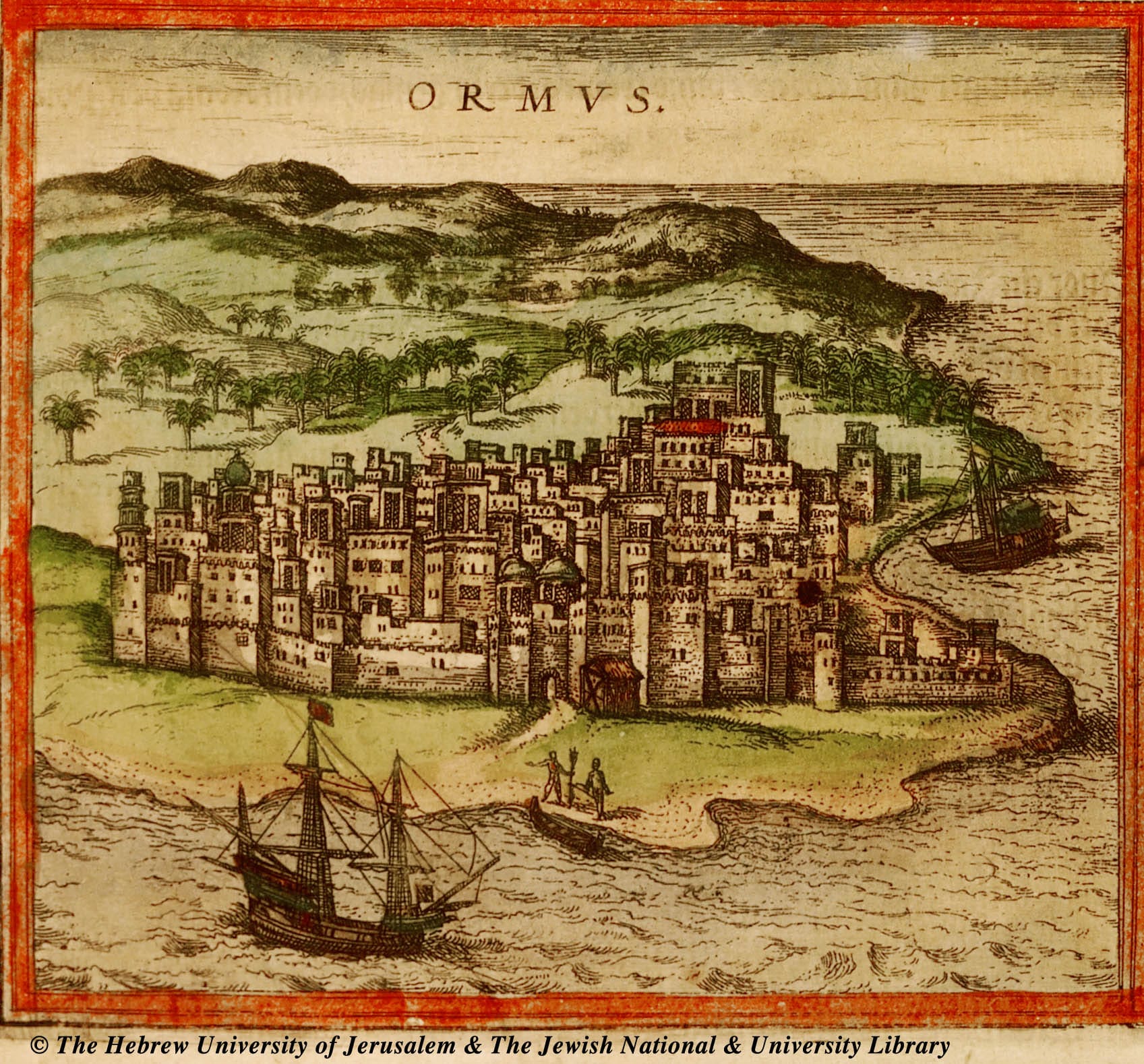
Hormuz is a strategic chokepoint through which a large share of Middle East oil passes en route to global markets. A Korean deployment would underscore closer alignment with the United States on defense and security, but it would also place Seoul at the center of a contentious international debate about defense commitments, sovereignty, and economic risk.
For U.S. readers, the case matters because Seoul’s decision could affect energy supply chains, global oil markets, and the broader security architecture in the Indo-Pacific. It reveals how allied governments weigh strategic obligations against domestic considerations and how such choices influence diplomacy, defense planning, and economic policy in a key U.S. ally.