Oil climbs as Israel-Iran tensions rise; Iran warns of Gulf energy strikes
Oil markets moved to price in escalation between Israel and Iran after reports that Israel attacked Iran’s energy facilities, with crude briefly breaching $100 a barrel before finishing higher on the day. West Texas Intermediate for April delivery closed at $96.21 a barrel on the NYMEX, up 0.11% from the prior session. In Asia, prices had traded as low as about $91.96 earlier, underscoring the intraday volatility driven by the tensions.
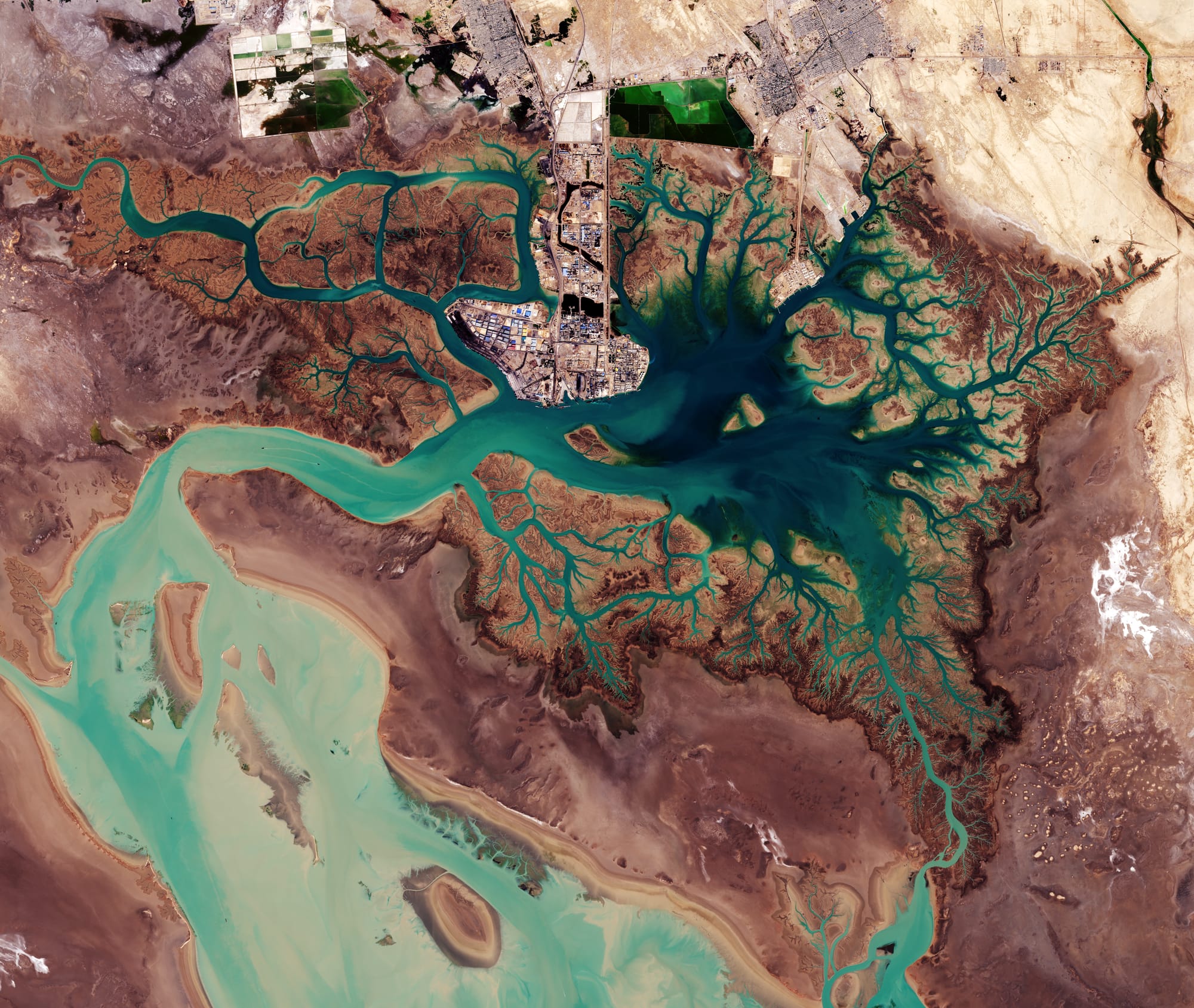
Iranian state media said Israel attacked Iran’s energy infrastructure, including the world’s largest gas field at South Pars and a gas refining and processing facility at Asaluyeh on Iran’s southwestern coast. The report marked the first time Israel was described as striking Iran’s energy production facilities in this conflict, prompting an Iranian retaliation.
In response, Iran’s Islamic Revolutionary Guard Corps (IRGC) announced that it would strike energy facilities belonging to Saudi Arabia and the United Arab Emirates within hours, according to a statement from the IRGC’s Carried Command. A spokesman for Iran’s central military headquarters, Kata’m al-Anbiya, said attacks on fuel, energy and gas infrastructure were legitimate and would be met with strong retaliation when prepared.
Markets also drew on analysis from Rabobank, which warned that new U.S.-Israel attacks could refocus attention on physical oil supplies. The bank said energy disruptions were an increasing concern as tensions persisted, reinforcing worries about reliable energy flows from the region.
The U.S. Energy Information Administration reported that, as of the week ending the 13th, U.S. commercial crude inventories rose by about 6.2 million barrels, well above market expectations of roughly 383,000 barrels. The surprise build added another layer of complexity to how markets weigh global supply risks against domestic stock trends.

For U.S. readers, the developments matter because the Middle East is a key source of global oil and gas, and any disruption can influence prices, inflation, and energy security. Washington’s policy and security posture toward Iran, and its alliances with regional partners such as Saudi Arabia and the UAE, can affect risk premiums in oil markets and the resilience of supply chains supplying American businesses and consumers.
Context for non-Korean readers: South Pars is the world’s largest natural gas field, straddling Iran’s coast in the Persian Gulf and extending into Qatari waters. Asaluyeh houses Iran’s major gas processing and petrochemical facilities. Attacks on these facilities have broad implications for energy supplies and regional stability, and international markets watch such signals closely for price and policy impacts. The claims cited come from Iranian state media and the IRGC, and have not been independently verified in this report.