Korea Sees Mild Spring, but Fog and Rough Seas Threaten Ports
South Korea enjoyed a clear, mild spring day today, but mornings and evenings remain chilly with a pronounced day-night temperature swing. Health officials remind people to take care to stay well as the season can still favor colds.
Tomorrow is the Spring Equinox, and forecasts call for mostly sunny conditions nationwide. Daytime temperatures are expected to rise to around 15°C, widening the gap between daytime highs and early morning lows.
In the morning, temperatures across major cities are forecast to be around 2°C in Seoul, Gwangju, and Daegu; -1°C in Daejeon; and -3°C in Chuncheon, with inland areas still at or below freezing at dawn. By afternoon, highs should reach about 14°C in Seoul and Wonju, 15°C in Cheongju, 16°C in Gwangju, and 17°C in Daegu, warmer than today and typical for this time of year.
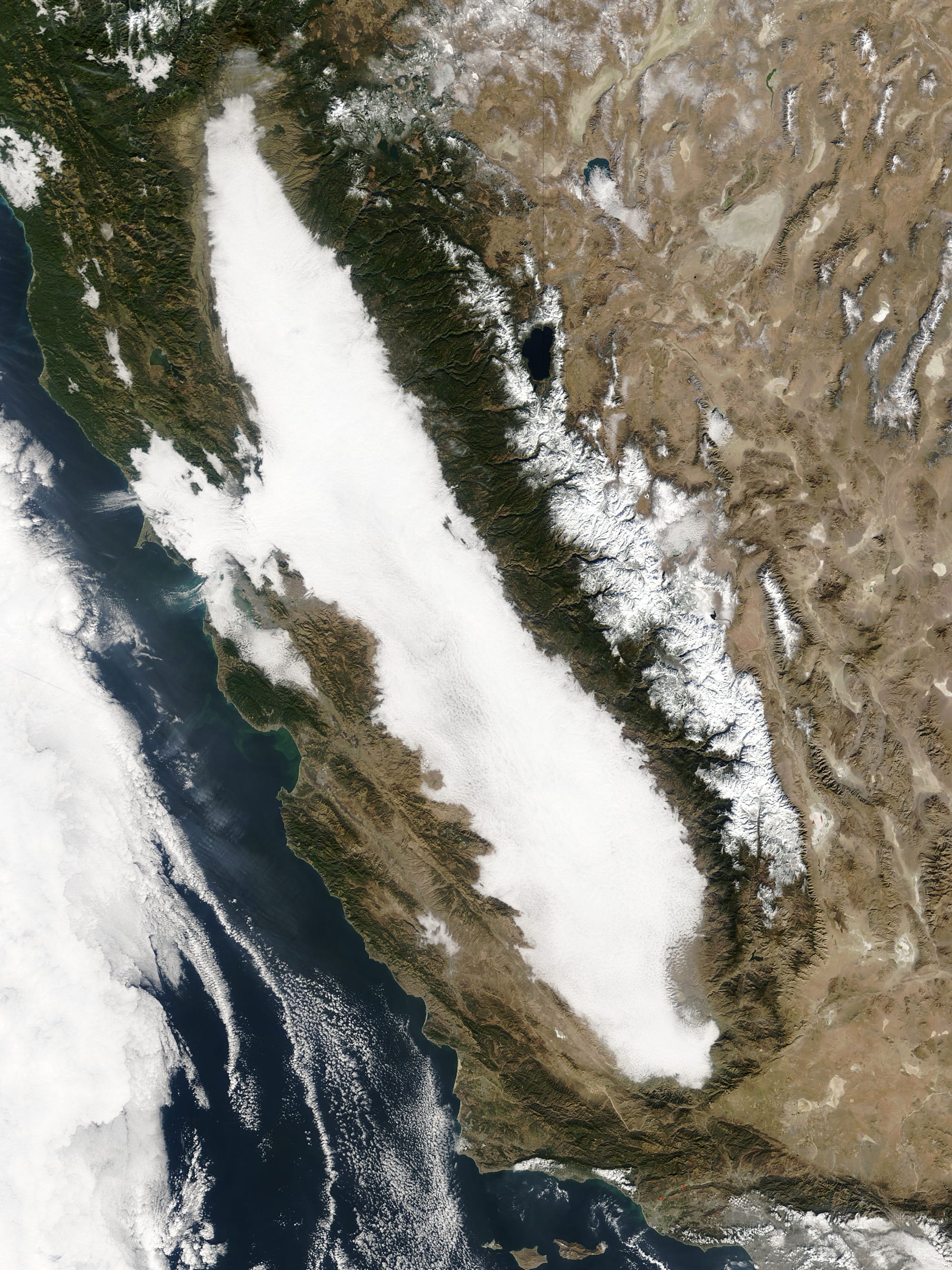
Overall, the near-term outlook remains relatively clear and dry, with air quality expected to be acceptable for outdoor activities.
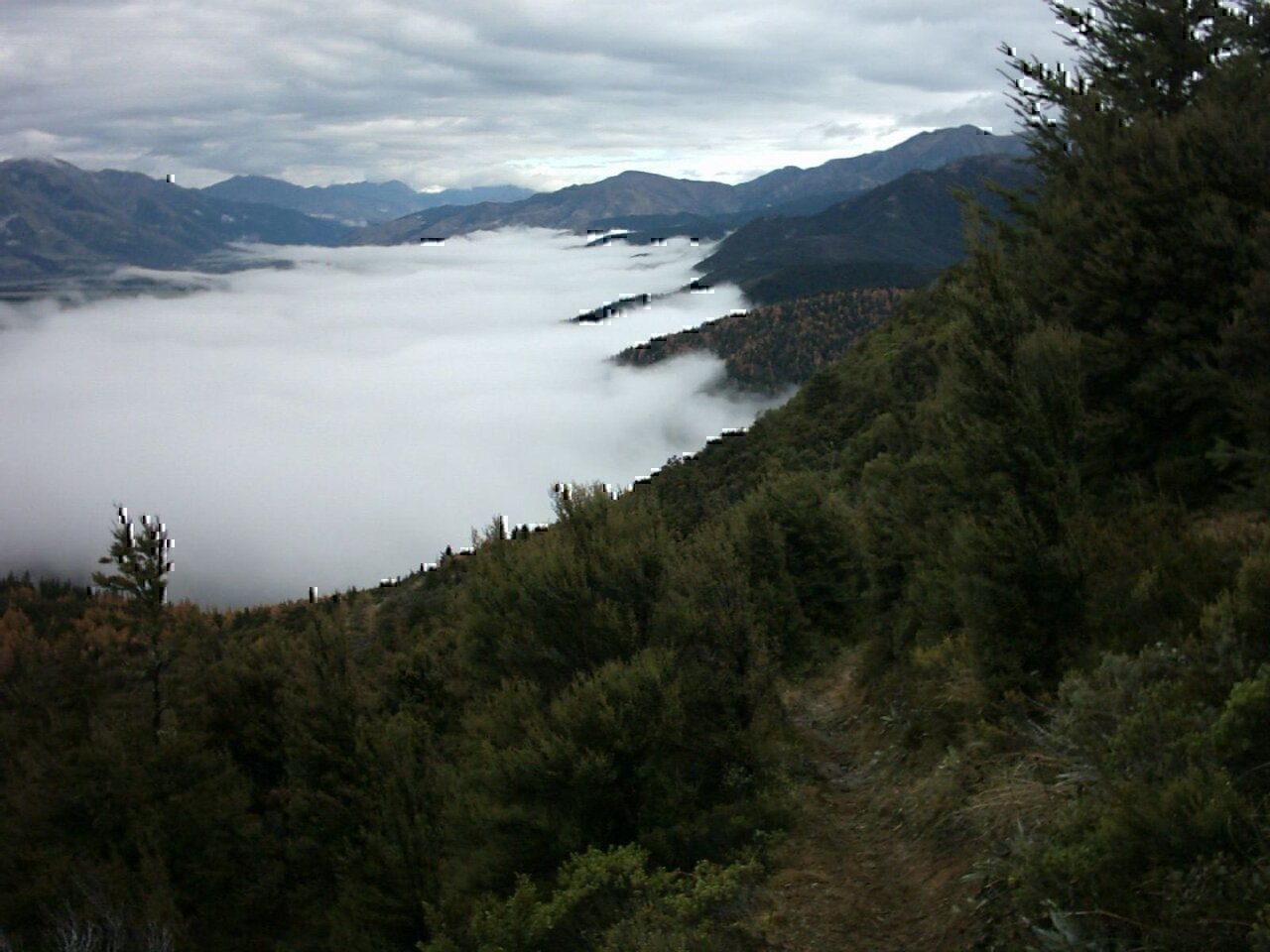
Forecasters warn of very dense fog tonight into tomorrow morning in parts of Gyeonggi Province and northern Chungcheong Province, which could reduce visibility and affect commuting.
Along the East Sea coast, strong winds and high, choppy waves are expected, posing safety risks for maritime activity and coastal travel.
Why this matters beyond Korea: as a major exporter of electronics, automobiles, and other components, Korea’s weather can influence global supply chains. Fog and rough seas can disrupt port operations at key hubs such as Busan and Incheon, with potential ripple effects for U.S. manufacturers and consumers relying on Korean-made goods. Seasonal temperature swings also affect energy demand and logistics planning for international shipments.
Context for readers: Chunbun is one of Korea’s traditional solar terms marking a balance of day and night, and spring weather on the peninsula often features wide diurnal temperature ranges due to the interaction of continental and maritime air masses. The cities referenced—Seoul, Busan, Incheon, Daegu, Daejeon, Gwangju, Wonju, Cheongju, and Chuncheon—are among South Korea’s largest urban areas and major transportation corridors.
In short, a mild, sunny stretch is ahead, but localized fog and rough coastal seas mean continued caution for travel and shipping, with potential implications for global trade flows linked to Korea’s industrial output.