Trump urges Japan to take bigger role in Iran confrontation, cites Hormuz stakes.
President Donald Trump told reporters at the White House after a summit with Japan’s prime minister that he expects Tokyo to take a more active role in the Iran confrontation. He said the United States has about 45,000 troops stationed in Japan and spends heavily to support Tokyo’s security, adding that while the United States “doesn’t need Japan or anyone,” it would be appropriate for Japan to step up.
Trump stressed Japan’s stake in the issue, noting that more than 90% of Japan’s oil imports pass through the Strait of Hormuz, a key chokepoint that links the Persian Gulf to the rest of the world. He argued that Tokyo has a strong interest in stability in the region and in protecting shipping lanes that supply its energy needs.
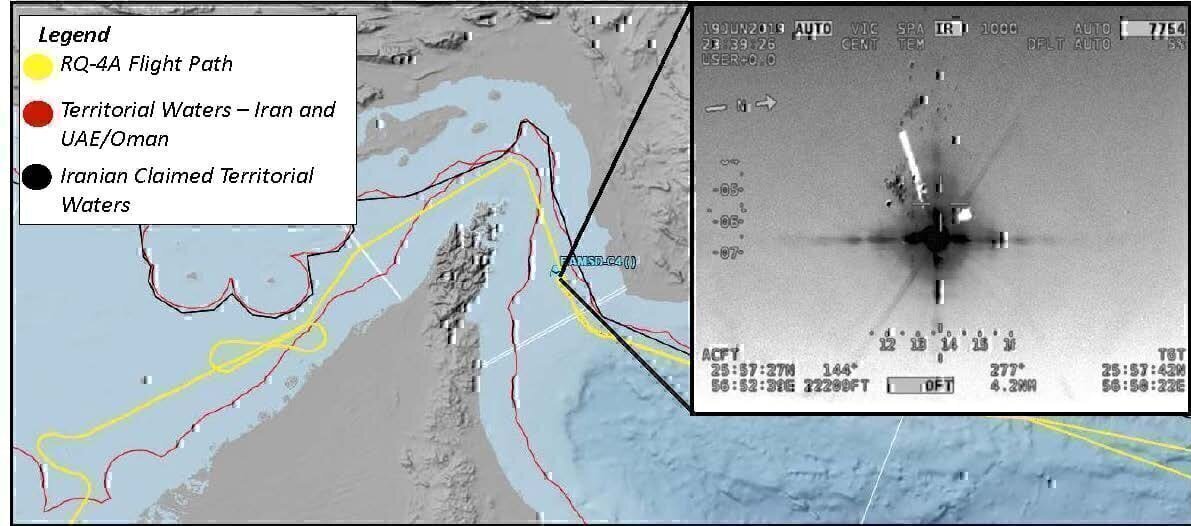
The president also criticized NATO for not assisting in defending the Hormuz corridor on behalf of other countries, a point he raised in the context of arguing for greater allied support in responses to Iranian actions.
When asked why allies were not informed ahead of any potential strike, Trump said surprise was necessary and that Japan would understand the logic. He asserted that the element of surprise contributed to stronger initial outcomes than anticipated.
The remarks come amid ongoing international attention to Iran and the broader Middle East, as Washington seeks to coordinate security and deterrence with allies in Asia and Europe. The role of regional partners remains a focal point in U.S. strategy discussions.

For U.S. readers, the speech highlights issues that affect American security planning and markets: how burden-sharing with long-time allies like Japan could influence defense commitments in the Asia-Pacific, the potential impact on global oil supply and prices tied to the Hormuz route, and how alliance dynamics might shift in response to Iran-related tensions.
Context for non-Korean readers: the Strait of Hormuz is a narrow waterway that channels most oil produced in the Persian Gulf to international markets; Japan depends heavily on Middle East oil and thus has a strong interest in Middle East stability. The United States and Japan have a long-standing security alliance, while NATO is a separate defense alliance comprising North American and European members.