AMD, Upstage Sign AI GPU Pact to Boost Korea's Sovereign AI Capabilities
AMD chief executive Lisa Su met with Upstage founder and CEO Kim Seong-hoon at the Four Seasons Hotel in Seoul on the morning of the 19th for a breakfast briefing and conversations about cooperation on AI hardware. The meeting signals a direct industry-level cooperation between a leading U.S. chipmaker and a fast-rising Korean AI startup amid global competition for AI accelerators.
Upstage said the partnership aims to secure the latest graphics processing units while reducing supply and cost pressures for the Korean AI developer, and to help AMD broaden its footprint in Korea’s AI market. The collaboration is framed as a step to accelerate AI innovation by improving access to advanced GPUs.
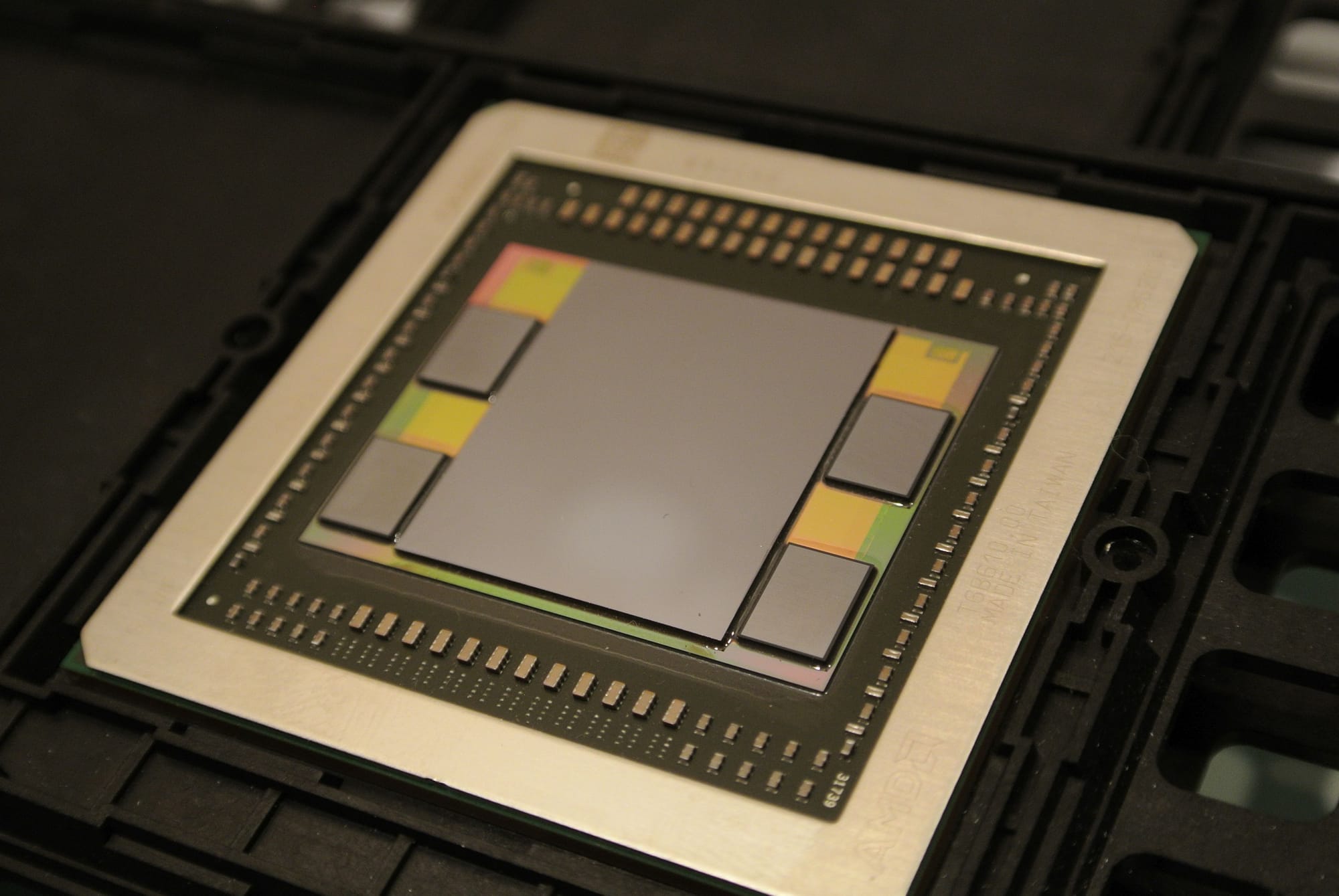
During the meeting, Su said that the alliance would enhance Korea’s sovereign AI capabilities and deliver the performance, efficiency, and open ecosystem needed to accelerate AI innovation. Kim told reporters after the talks that Upstage had urged greater Korean investment and faster, cheaper GPU supply, noting that AMD would prioritize Korea in supplying the latest GPUs to prevent a single vendor from monopolizing access.
Both companies said they would work to speed the development and deployment of next-generation AI models and to build a sovereign Korean AI ecosystem. Upstage plans to deploy AMD’s Instinct MI355 GPUs for its in-house large language model, named “Solar,” and for its document AI solutions. The arrangement also targets heavy GPU usage in the government-backed Independent AI Foundation Model project, known in Korean as the 독파모 initiative.
The discussion comes as Upstage faces rising GPU demand and cost pressures, a situation that could intensify with the company’s planned Daum portal acquisition. Kim estimated that once the acquisition is completed, Upstage could process about 1 trillion tokens per day, a workload he equates to roughly 10,000 GPUs, with potential increase if agent services are included.
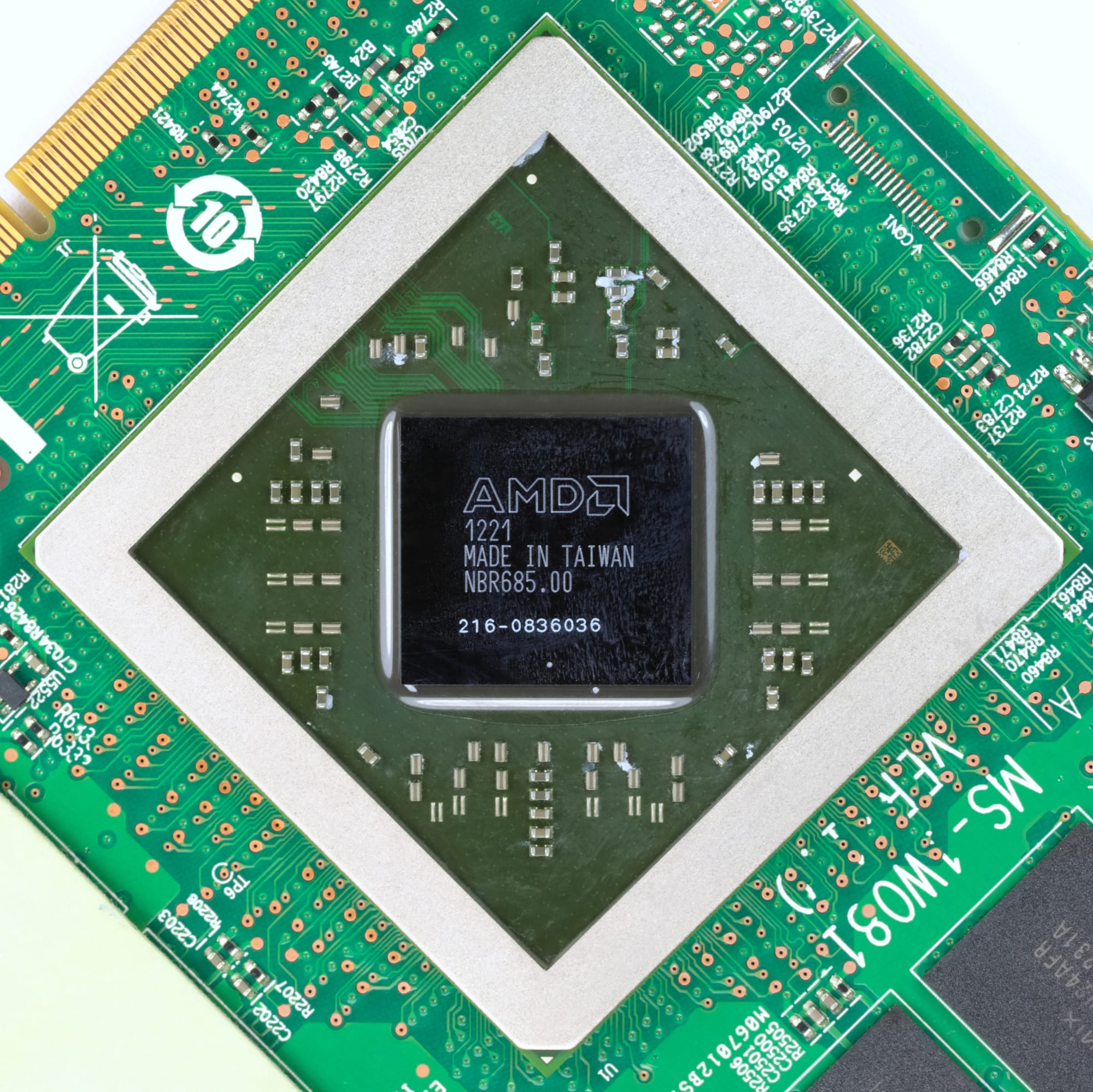
Su’s Seoul visit was notable for the emphasis on engagement with AI startups; Upstage was the only startup among AI-focused firms the AMD chief met during the trip. Upstage, which raised about 62 billion won in a Series B last year in which AMD participated as an investor, has emerged as a notable Korean AI challenger on the global stage.
For U.S. readers, the significance lies in the growing diversification of AI hardware supply and the international competition for accelerator access that underpins AI development. The partnership reflects how Korean government and private sector aims to foster domestic AI capabilities, while U.S. firms like AMD expand their regional footprint to compete with Nvidia’s dominance. The outcome could influence GPU pricing, supply resilience, and the pace of AI model development and deployment across markets, including the United States.