Vernal equinox brings rapid warming in South Korea, with fog and weekend rain.
Tomorrow marks the vernal equinox, the moment when day and night are roughly equal. In South Korea, forecasters say the transition will bring more pronounced daytime warming as a high-pressure system continues to dominate the weather pattern.
Daytime temperatures are expected to rise quickly, bringing largely sunny skies for the near term. However, as the sun goes down, temperatures will drop rapidly, with diurnal swings of up to about 20 degrees Celsius possible.
Clear, calm conditions mean fog can form after sunset and linger into the morning. In particular, dense fog with visibility under 200 meters is forecast for Gyeonggi Province and northern South Chungcheong Province through tomorrow morning, with fog also affecting other inland areas around the capital region.
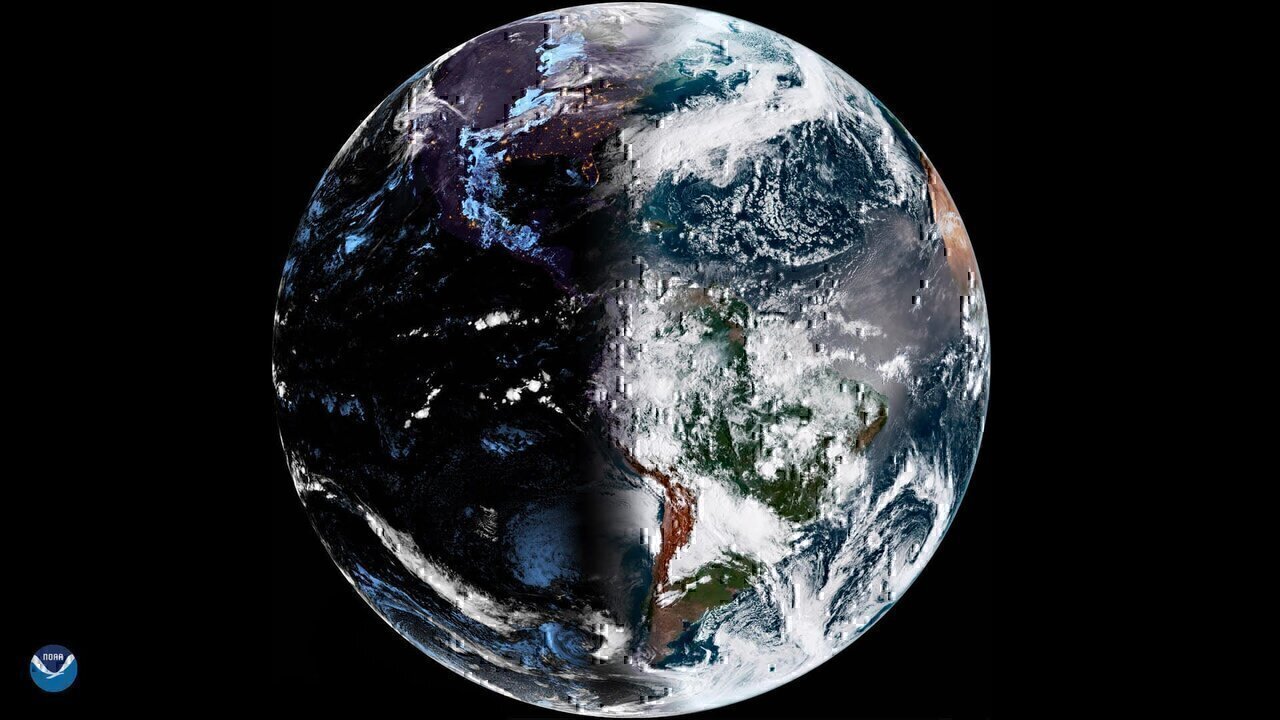
Satellite imagery suggests the sky will stay mostly clear, as high-altitude clouds thin and shift with the prevailing high-pressure air mass. The air quality is expected to be satisfactory across the country.
Morning temperatures will be chilly in parts of the country: Seoul around 2°C and Chuncheon around -3°C, with many locations staying below freezing. By daytime, highs should reach about 14°C in Seoul and 17°C in Daegu, offering a welcome warmth for spring activities.
Looking ahead to the weekend, Saturday is forecast to be mostly sunny, while Sunday will bring more cloud cover and rain is expected to reach Jeju Island in the afternoon.
Why this matters beyond Korea: the transitional weather pattern can influence energy demand, as warmer days reduce heating needs but cooler nights raise it again, affecting electricity usage and potentially grid operations. Fog and low visibility pose travel disruptions that ripple through air and road transport, with implications for regional logistics and supply chains tied to South Korea’s electronics, automotive, and consumer goods sectors. Jeju’s rain on Sunday could impact tourism and regional shipping and travel. For U.S. readers, these patterns reflect broader East Asian climate dynamics that shape global markets, manufacturing schedules, and cross-border trade disruptions.
Context for non-Korean readers: the forecast comes from South Korea’s weather services, with local forecasters such as Nam Yu-jin providing daily updates. Major cities cited include Seoul, Chuncheon in Gangwon Province, Daegu in the southeast, and Jeju Island off the southern coast. The vernal equinox is a traditional marker of spring in the region, often followed by rapid changes in temperature as cold air yields to increasingly sunny days.