South Korea Expands Culture Day to Weekly Wednesdays; President Attends Cultural Event.
President Lee Jae-myung and his wife, Kim Hye-kyung, after work on the 18th, attended the creative musical Long Night in Seoul’s Daehak-ro area of Jongno District and encouraged the cast and production staff.
The couple had been seen at BIFF, attending an official screening in September of last year at the Busan Cinema Center in Haeundae, Busan.
Cheong Wa Dae spokesperson Kang Yu-jeong said in a written briefing that the outing was part of promoting an expanded Culture Day program.
Culture Day in Korea allows free access to major public cultural facilities, and discounts at some private cultural venues such as movie theaters and performance halls. The program, introduced in January 2014, had previously operated on the last Wednesday of every month; starting next month, it will be expanded to every Wednesday.
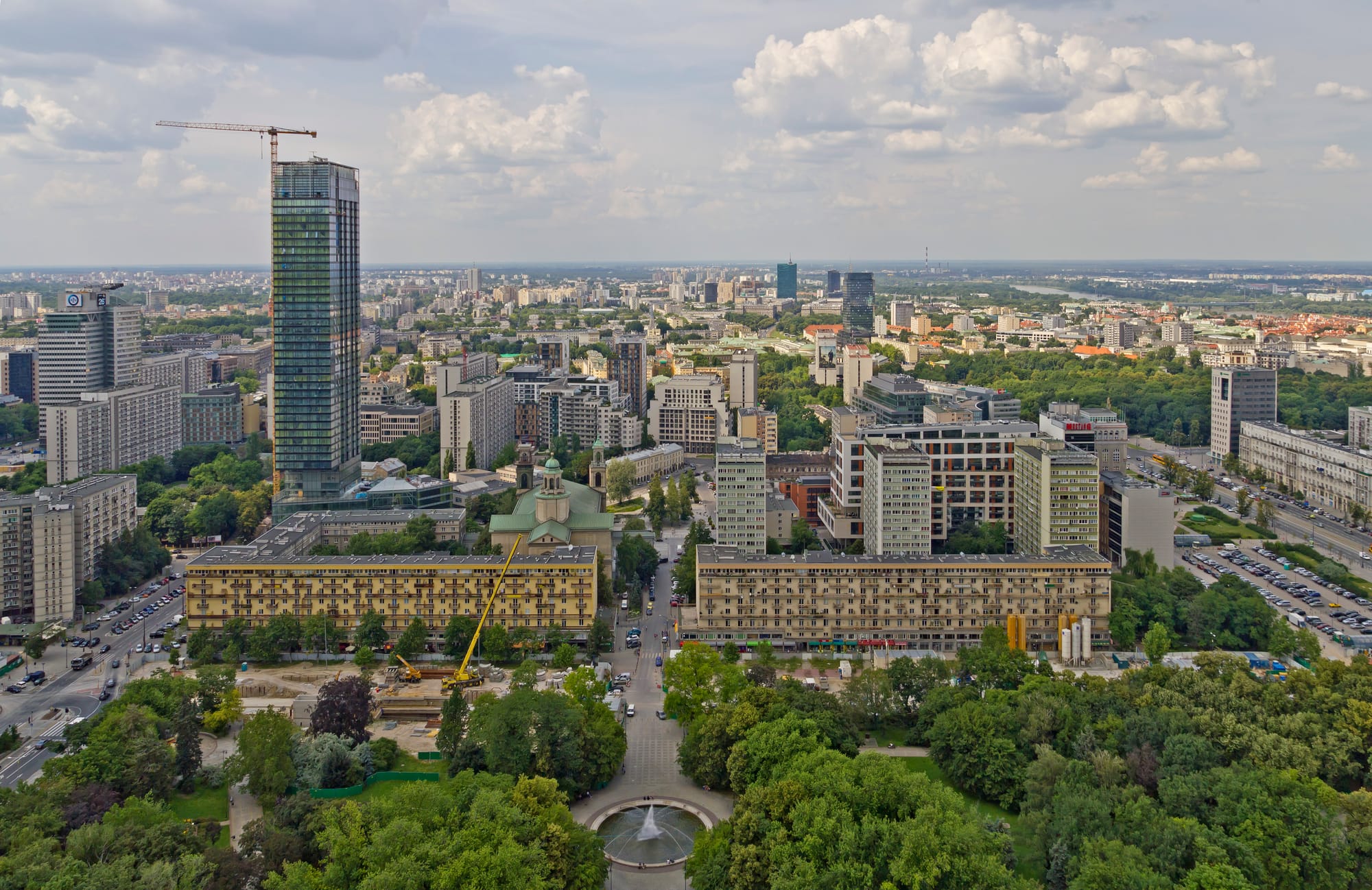
Prior to the show, the president and first lady dined at a nearby restaurant, and after the meal walked around Marronnier Park near Daehangno, greeting members of the public.
For U.S. readers, the outing highlights Korea’s ongoing use of culture as a policy tool and a driver of the arts economy. The expansion of Culture Day reflects a government push to broaden public access to culture and could support Korea’s thriving entertainment sector, with potential implications for cross-border cultural exchange, tourism, and the global market for Korean film, theater, and related creative industries. Daehangno, Seoul’s noted theater district, and Marronnier Park are recognizable hubs in Korea’s arts scene, illustrating how state policy and public diplomacy intersect with daily cultural life.