Trump urges allies to guard Hormuz Strait; Japan and South Korea weigh involvement
President Donald Trump has pressed allied nations to dispatch naval forces to the Hormuz Strait, posting on social media on March 14 and signaling continued calls ahead of a U.S.–Japan summit in Washington. The aim, as described in the coverage, is to secure one of the world’s most important maritime chokepoints for global energy shipments.
A U.S. analyst from the American Enterprise Institute, Jack Cooper, discussed the idea on a Strategy International Studies (CSIS) podcast, arguing that South Korea and Japan would find it difficult to refuse the request outright. He suggested that while direct participation with warships may be unlikely, some form of cooperation remains possible.
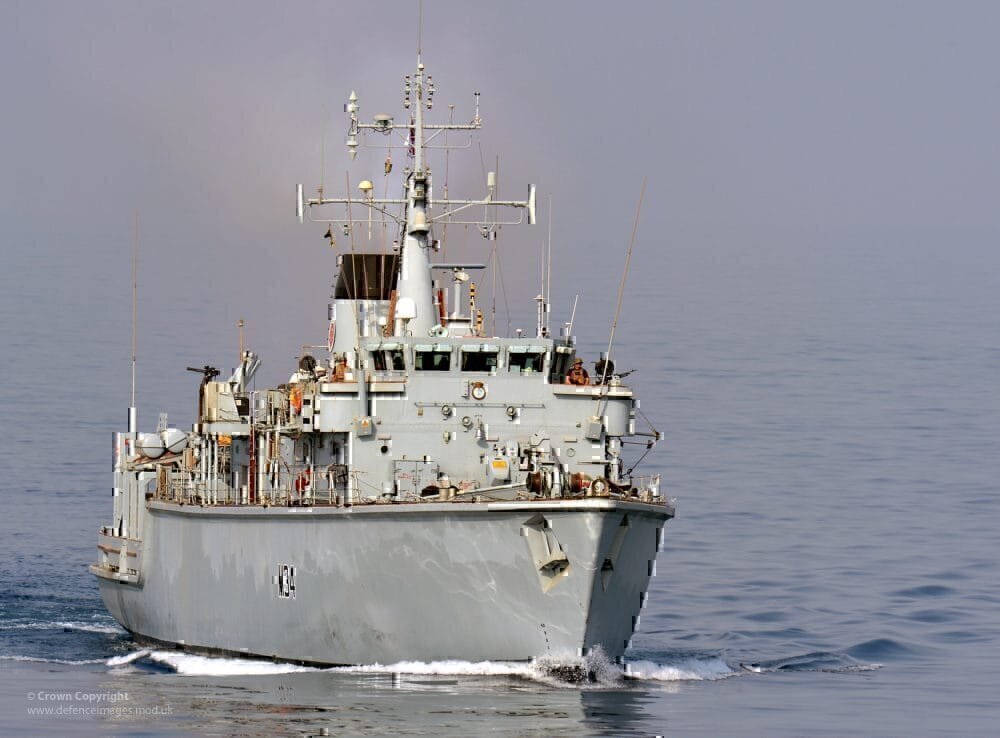
Cooper floated the possibility that Japan could support a fueling operation, described in the report as a “notarized fueling” plan, rather than sending destroyers or other combat ships. He said such an operation could be conducted in the Indian Ocean, far from Iran, potentially allowing Tokyo to show backing without exposing forces to direct danger.
The analyst warned that, politically, approving any such plan would be challenging for Japan’s leadership. He noted Prime Minister Sanae Takai might be hard-pressed to outright decline the request, but domestic politics could complicate a full endorsement.
White House spokesperson Caroline Leavitt said the administration continues to urge allies to take more proactive steps, reflecting a broader push to broaden coalition support for guarding international shipping lanes.

The talks are expected to surface concrete options during the U.S.–Japan summit at the White House scheduled for March 19. Observers view the discussion as a test of how far Tokyo might go in signaling support, even if it stops short of full military participation.
For U.S. readers, the New York–based Hormuz corridor and its significance as a global energy artery are key context. Any credible allied involvement would influence energy markets, supply chains, and regional security dynamics in the Indo-Pacific, while illustrating how Washington seeks to mobilize alliance commitments beyond Europe to address strategic challenges in the Middle East and Asia.