Damien Hirst's Asia-Wide Solo Show Opens at MMCA Seoul
Damien Hirst’s first Asia-wide solo show arrives in Seoul, with the National Museum of Modern and Contemporary Art (MMCA) staging Damien Hirst: There Is No Truth, But Everything Is Possible. The exhibition runs from June 20 to June 28 at MMCA Seoul and surveys more than 40 years of the British artist’s practice, presenting about 50 works across four thematic sections.
Hirst, born in 1965 in the United Kingdom, rose to prominence in the late 1980s as part of the Young British Artists (YBA) cohort that helped redefine British art. MMCA described him as a leading figure in the revival of British art, noted for provocative, large-scale works that probe technology’s role in modern life. MMCA director Kim Seong-hee and curators positioned the show as a comprehensive survey of his career.
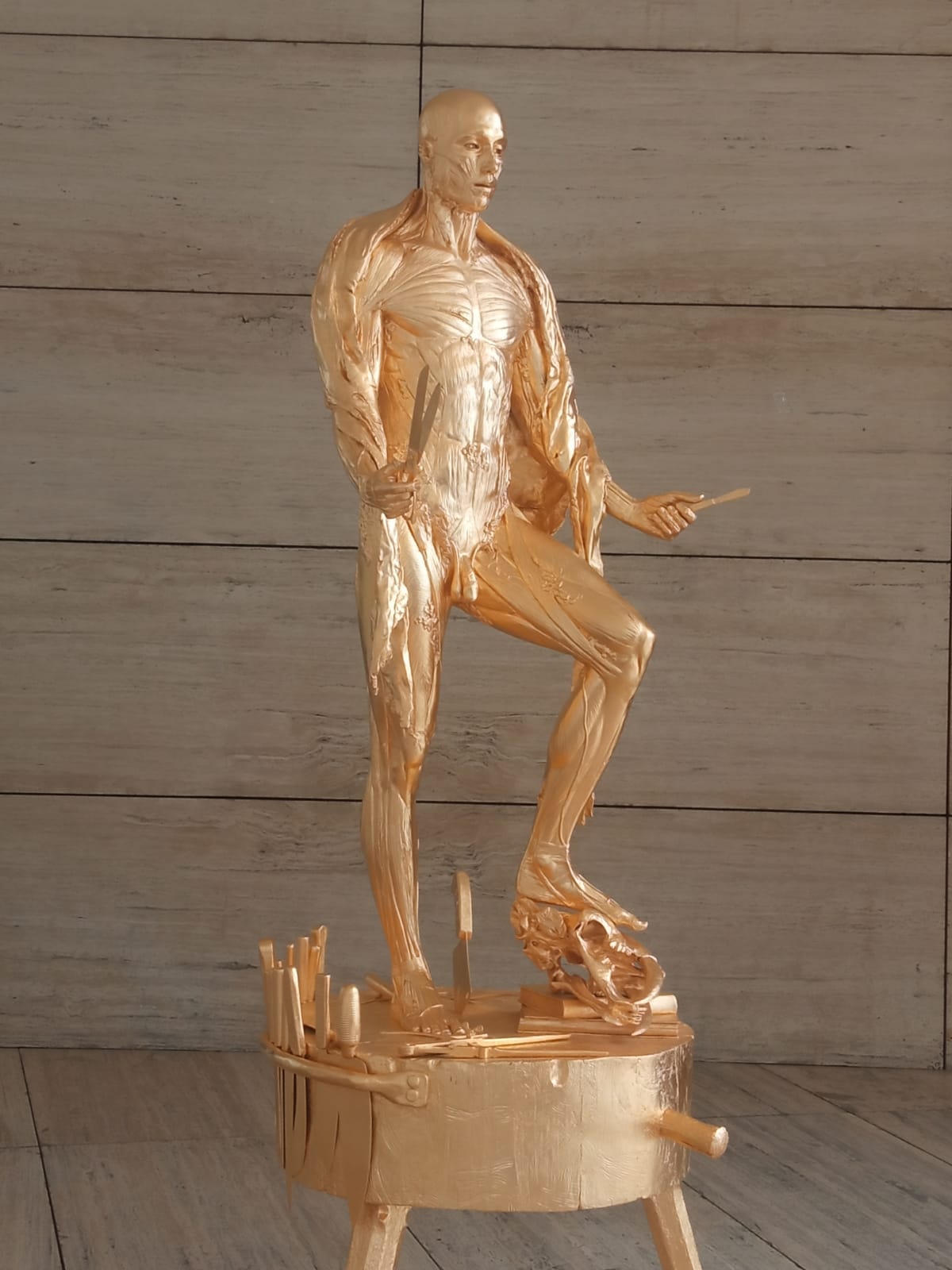
The exhibition unfolds in four parts. The first, “All questions carry doubt,” highlights early work, including collages from his teenage years, photos from his first solo show, and early versions of his Spot Paintings and Spin Paintings. The second section, “We live in time,” centers on large glass-tank installations, including The Physical Impossibility of Death in the Mind of the Living (1991), a work that places a shark in formaldehyde and has been a touchstone of his practice since the Tate Modern’s 2012 retrospective. It also marks Asia’s first public display of The Year (1990), another major piece.
In the third part, “Silence of Luxury,” the show explores science, religion and art, revealing how medicine, faith and consumer culture intersect in Hirst’s work. A display of pharmaceutical artifacts accompanies a re-created space that echoes Hirst’s London restaurant project from 1998, titled Pharmacy, reflecting his interest in medical imagery and the rituals surrounding healing. The final section, “The Artist’s Studio: Works in Progress,” relocates Hirst’s London studio to MMCA Studio, offering a window into his process with works in progress, unpublished paintings, canvases, brushes, and studio paraphernalia. Notably, a mirror in the space bears the Hangul inscription “사랑해요 대한민국” (I love Korea).
Among the highlights are The Love of God (For the Love of God, 2007), a platinum skull encrusted with diamonds; and a suite of butterfly-wing triptychs and canonical motifs that explore religious iconography, anatomy and mortality. The show also places the artist’s studio practice on view, with a close-up look at canvases and tools, allowing visitors to trace how his ideas evolve over time.
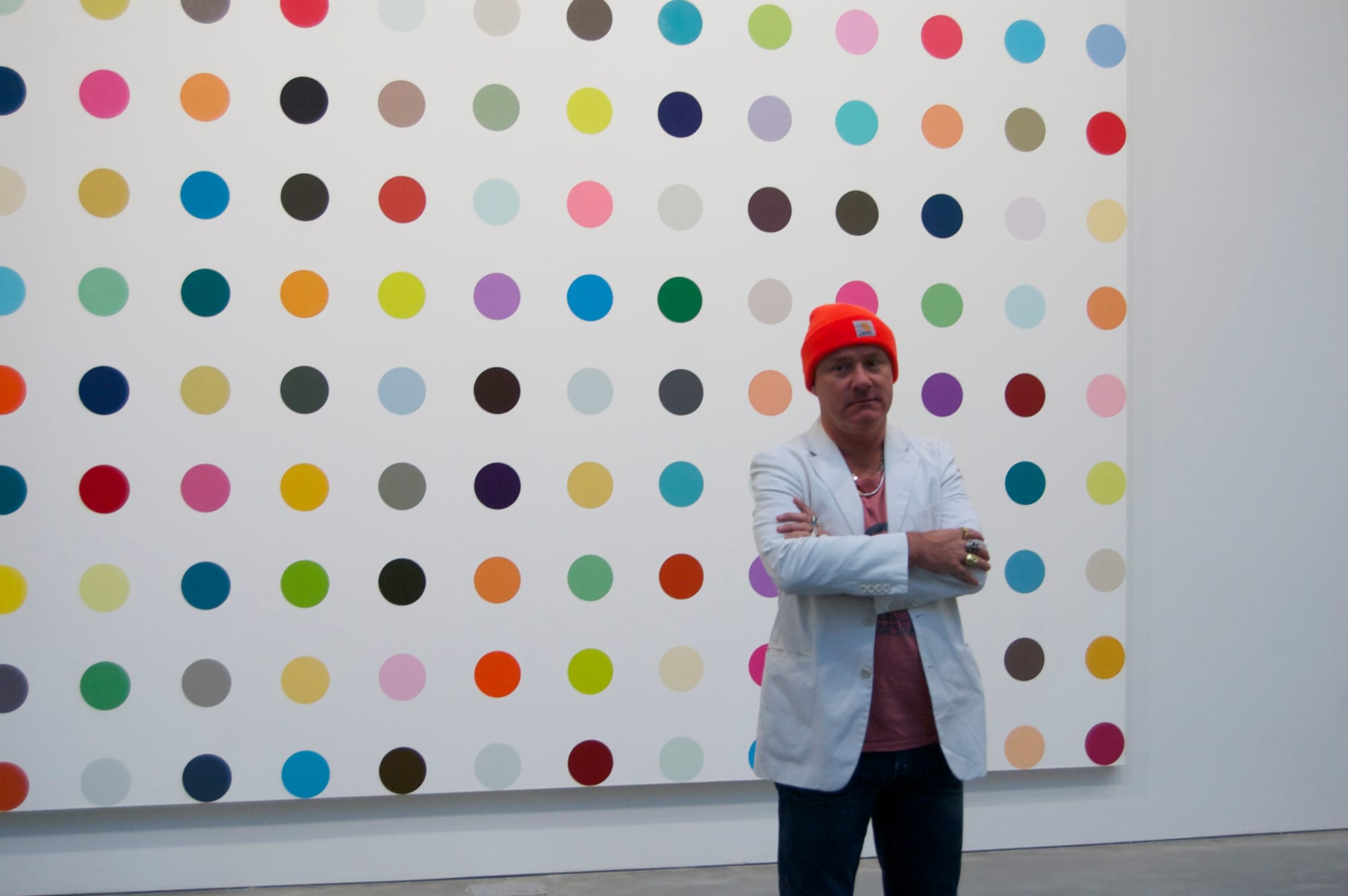
Beyond the gallery walls, Hirst’s career reflects a broader global art ecosystem. He built a substantial collection—about 3,000 works—through which he has operated Newport Street Gallery in London, offering free public access to contemporary art experiences. MMCA described Hirst as a “pioneer” who has driven contemporary art’s critical dialogue about what art can be and do, including in relation to science and consumer culture.
For international audiences, the Seoul exhibition underscores how South Korea has become an important node in the global art world. Hirst’s presence in Seoul highlights the cross-cultural exchange shaping today’s museums, collectors and markets, and it aligns with broader U.S. interests in transpacific cultural diplomacy, art-market dynamics, and the global flow of major contemporary artists and ideas. The show’s emphasis on mortality, medicine and belief also resonates with ongoing debates in the United States about bioethics, science, religion and the commercialization of art.