South Korea Democratic Party Leader Pushes Prosecutorial Reform Linked to Roh Moo-hyun Legacy
Democratic Party leader Jeong Cheong-rae visited Jinju in South Gyeongsang Province on the 18th to discuss the party’s prosecutors reform bills and tied the effort to the legacy of late President Roh Moo-hyun, saying he misses Roh.
Kwak Sang-eon, Roh Moo-hyun’s son-in-law and a Democratic Party lawmaker, responded on Facebook that praising Roh for political gain reduces him to a tool of political power. He urged that Roh’s political standards should be realized in today’s politics, and that reviving Roh’s politics within the party would require concrete actions rather than symbolic gestures.
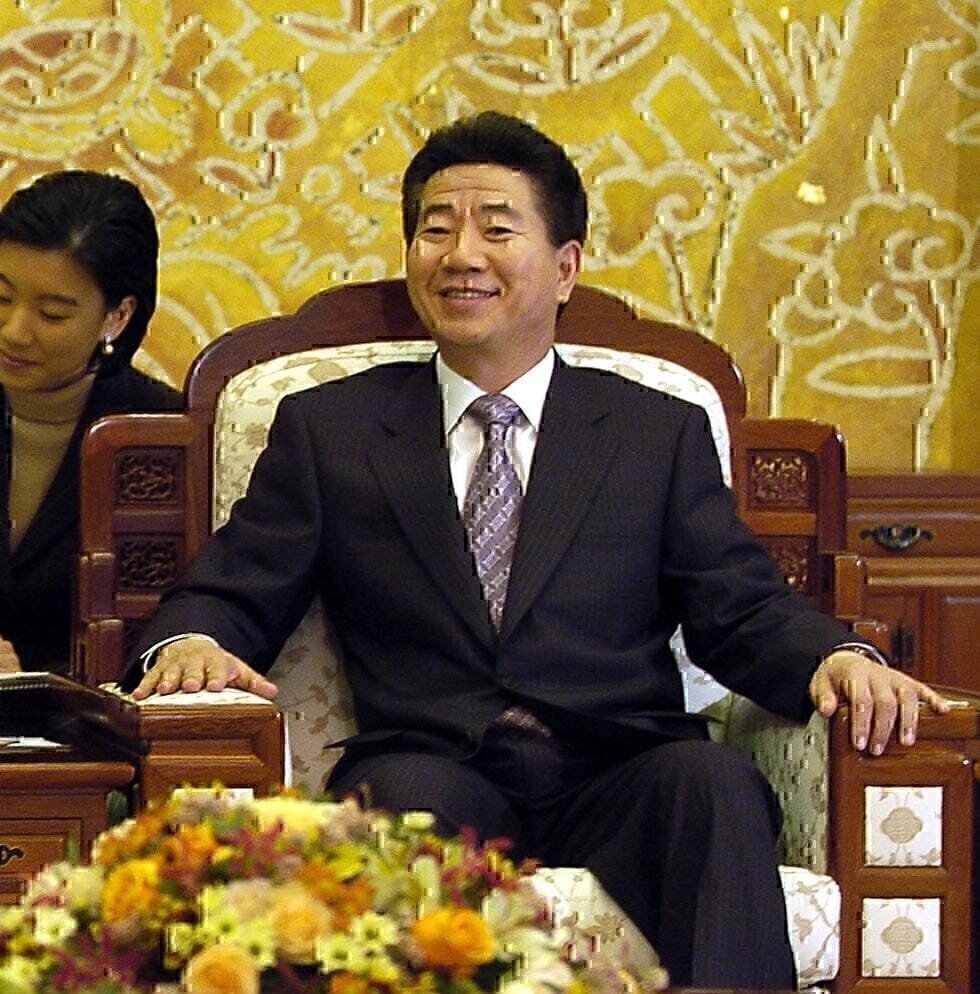
Kwak argued that following Roh’s political approach would require facing the compromises of current politics, and that honoring Roh should involve tangible steps to bring Roh’s principles back into Democratic Party policy. He added that simply kneeling at Roh’s gravesite with chrysanthemums is not a genuine tribute.
Earlier that morning, Jeong chaired a on-site top party meeting in Jinju, where he referenced the government–party–judiciary agreement on prosecutorial reform bills, including the creation of a dedicated public prosecution body and a central investigative authority. He said he misses Roh when contemplating the reform agenda and suggested he would visit Roh’s grave at Bongha Village if the bills pass.
Kwak countered that linking prosecutorial reform to Roh’s death is improper, saying that supporting or opposing a reform should not be cast as support for Roh or betrayal of him. He criticized the framing as inappropriate and said it risks conflating political disagreements with Roh’s legacy.

The reform package at issue would establish a specialized Public Prosecution Service and a central investigative bureau as part of a broader effort to restructure the Prosecutor’s Office and reduce its control over investigations and indictments.
For U.S. audiences, the debate over Korea’s prosecutorial reform matters beyond domestic politics. How Korea reorganizes its legal and investigative institutions can affect corporate governance, anti-corruption enforcement, and cross-border legal cooperation, with implications for American investors, tech firms, and supply chains tied to Korea’s dynamic economy and its role in regional security and technology markets.