NATO undecided on widening role in Hormuz Strait amid U.S. pressure
NATO Secretary-General Mark Rutte said on Thursday, after observing a NATO joint military exercise at Bardufoss in Norway, that many allies are in contact about the Hormuz Strait and that there is broad agreement the strait should reopen. He stressed that while allies are discussing how to proceed, there is no indication of a concrete NATO plan to widen the alliance’s role.
President Donald Trump has pressed for a U.S.-led deployment to protect ships through Hormuz and warned that a lack of response could “very negatively” affect NATO’s future. Yet most European allies have not committed to such a mission, and the alliance has shown reluctance to join a new deployment without clear consent and coordination.
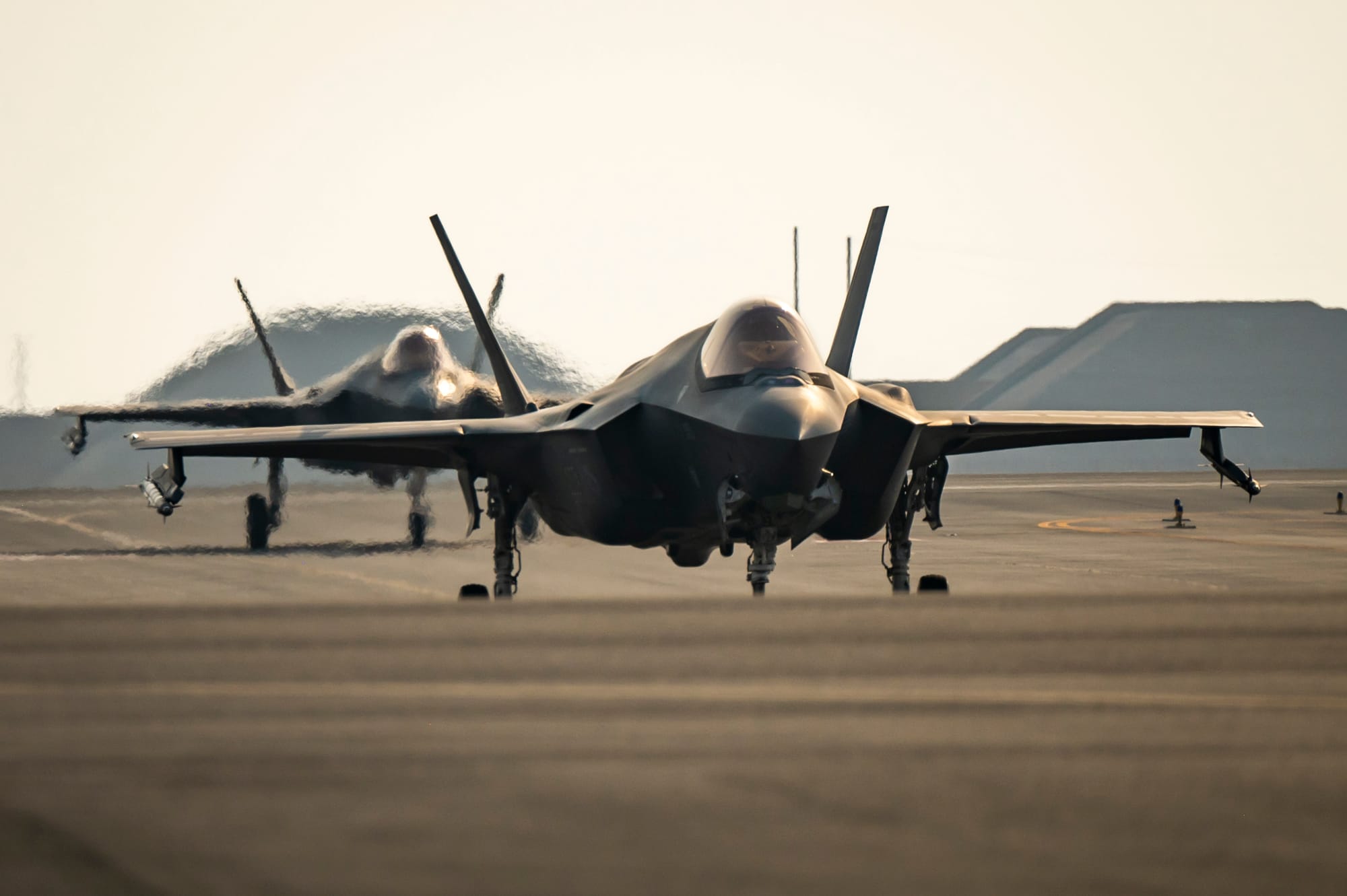
Many European governments believe the United States did not trigger a NATO Article 5-style collective defense in the current conflict, given that they do not expect an immediate NATO-wide military response to Iran’s actions. The perception among several members is that the situation does not automatically justify a NATO-wide war-ops escalation.
Some European leaders have faulted Washington for acting without prior consultation when seeking support for Hormuz-related deployments, complicating efforts to mobilize a European response. Germany and others have voiced discomfort with unilateral American moves preceding alliance discussions.
Estonia indicated it could consider contributing if formally asked, but its naval capacity remains limited. The Baltic state reportedly operates seven to eight ships, including three mine-clearing vessels, highlighting the practical limits some allies face in expanding operations.
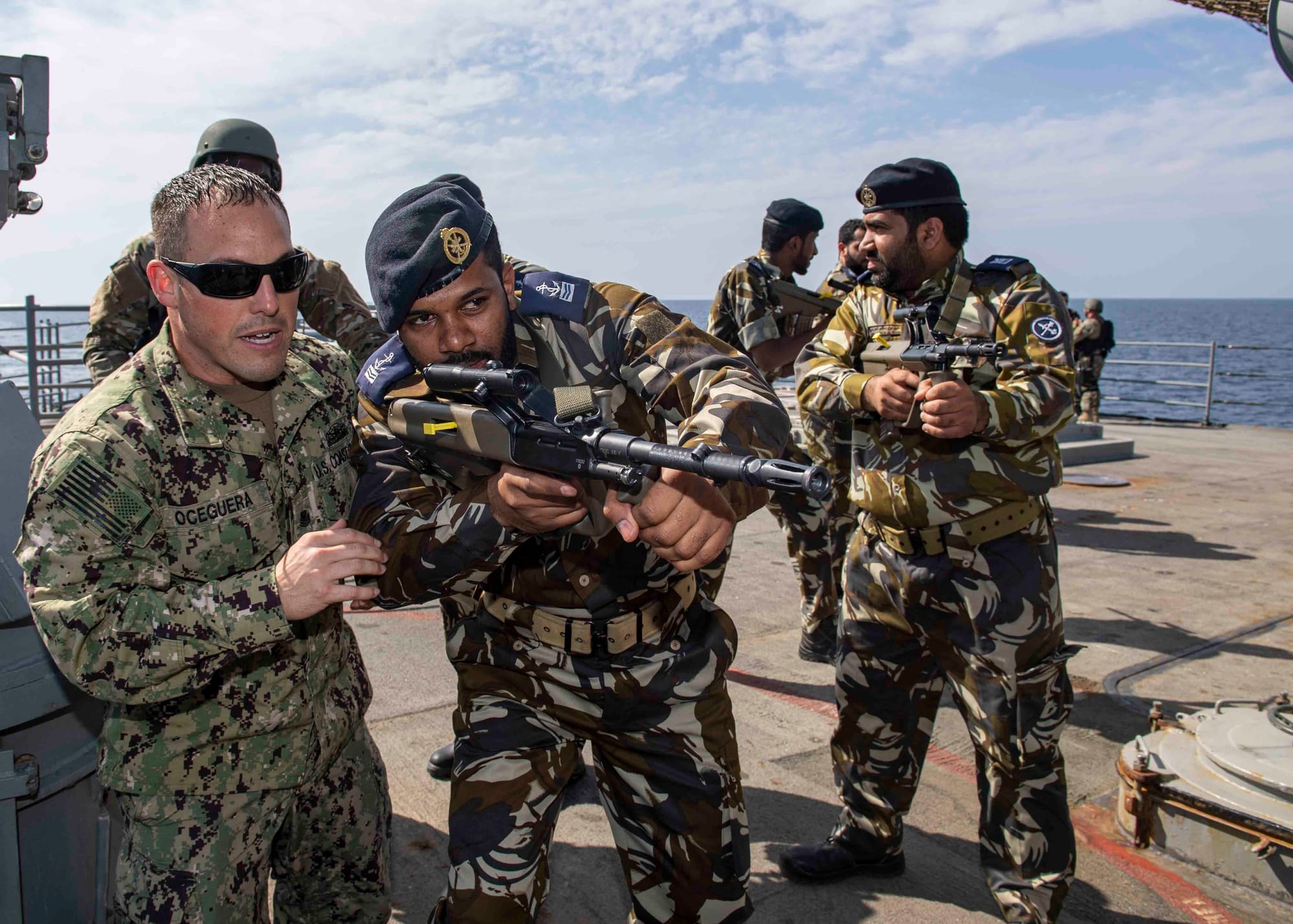
EU discussions over extending the Aspides operation to Hormuz have stalled due to member-state opposition. Aspides, an EU mission designed to protect ships in the Red Sea region, remains separate from Europe’s broader anti-piracy operation, Atalanta. At a recent EU summit, leaders were expected to call for strengthening Aspides and Atalanta but not to broaden their mandates to Hormuz.
Why this matters for the United States: Hormuz is a global energy chokepoint through which a substantial share of the world’s oil passes. Debates over NATO and EU commitments to protect commercial shipping can influence energy markets, supply chains, and broader defense and security policy in the transatlantic alliance. The episode also tests North Atlantic cohesion at a time of heightened regional tension in the Middle East and ongoing competition over how to mobilize international support without widening conflict.