SK Telecom Expands Direct Customer Engagement to Rebuild Trust After Cyberattack
SK Telecom says it will broaden direct engagement with customers and work to rebuild trust after a hacking incident last year. The plan was unveiled by Lee Hye-yeon, head of SKT’s Customer Value Innovation Office, at a briefing in Ferrum Tower in central Seoul on the 18th.
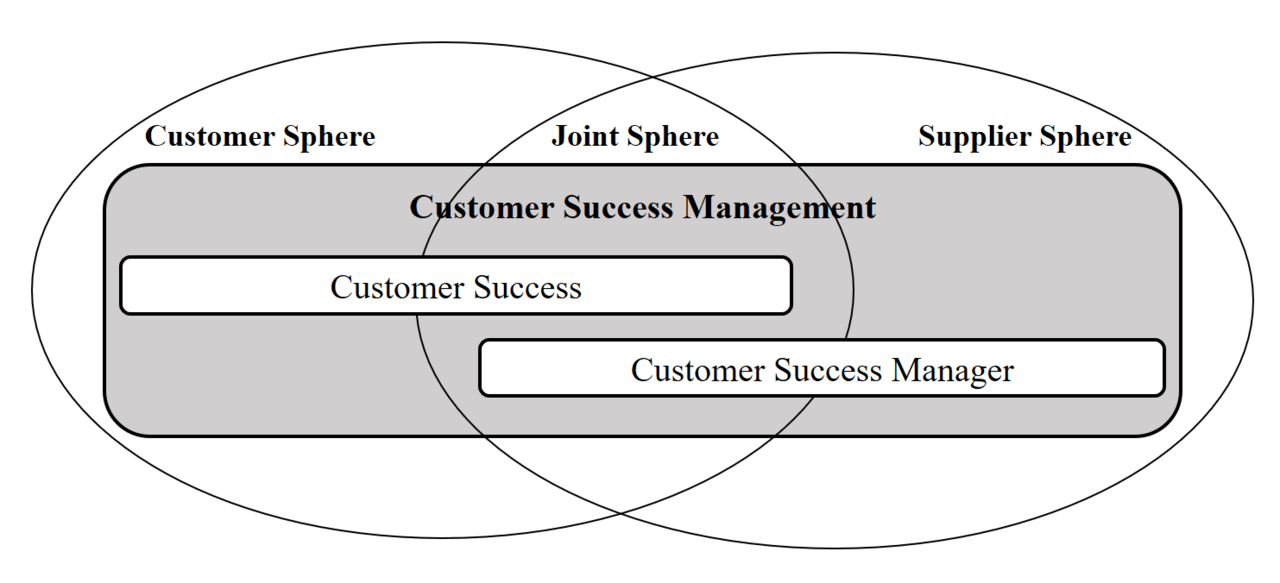
To anchor its customer-first shift, SKT set up a CX, or Customer Experience, organization under its Customer Value Innovation Office. The CX team will collect needs across multiple channels, analyze demand, propose service improvements, and map mid- to long-term customer value. Officials said the team was formed through a competitive process to bring diverse experience and drive a proactive, voluntary culture.
For this year, SKT CEO Jeong Jae-heon and other executives plan to step up on-the-ground engagement with customers. The company has already begun a “visiting service” program and has visited six locations since January, including Jinan-gun in Jeollabuk-do. The aim is to reach regions with aging populations—where more than 30% of residents are seniors—to offer security education, telecom and AI counseling, and after-sales support, operating like mobile shops that can repair devices or replace protective film on the spot.
SKT will also focus on strengthening trust with long-tenured customers by meeting them directly and by improving customer service, including shortening call-center procedures and assigning dedicated representatives. The company plans events with university students tied to the “Youth Work Experience Support Program,” and later this year will run AI and security workshops for elementary and middle school students.
A core element of the plan is an “AI data curating” system designed to gather, refine, and classify customer demand to tailor services while safeguarding personal information. SKT says human experts will oversee the data work to prevent AI outputs from hallucinating and to ensure the process relies on real domain expertise.
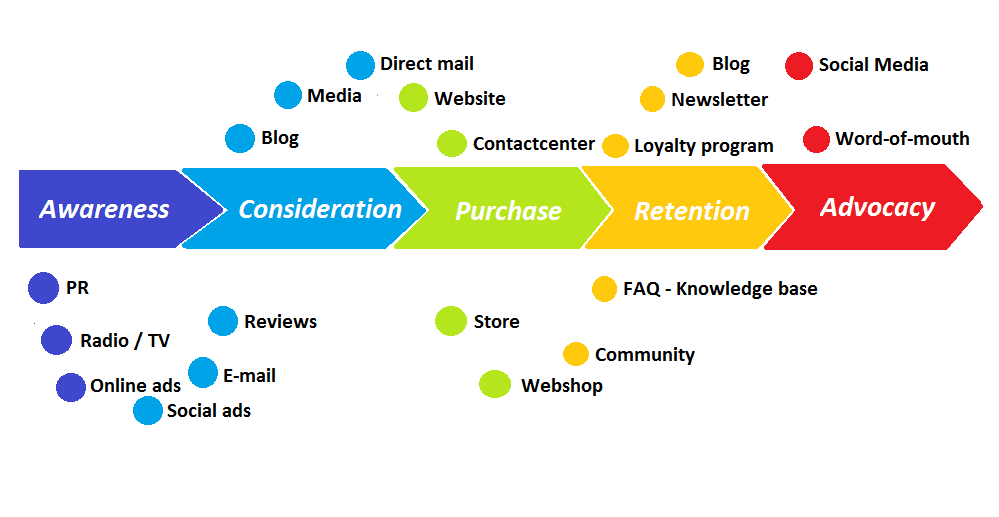
Lee said the overarching goal is to build a sustainable structure that translates customer feedback into tangible company-wide changes, with a focus on ensuring customers feel the impact of SKT’s efforts across all touchpoints.
Why this matters beyond Korea: SKT is a leading Korean telecom operator with extensive 5G and digital services exposure. The company’s emphasis on cybersecurity, AI-enabled customer service, and data governance addresses issues that resonate with U.S. policymakers and industry as cross-border data flows, privacy standards, and supply-chain resilience come under scrutiny. SKT’s visiting-service model and youth outreach could influence global efforts on rural connectivity and customer service, while its AI data-curating approach highlights governance practices that could inform American tech partners and vendors.