Samsung named primary HBM4 memory supplier for AMD Instinct AI accelerators, expands collaboration
Samsung Electronics has moved to deepen its AI-focused collaboration with AMD, designating Samsung as the primary supplier of the next generation of high-bandwidth memory for AMD’s Instinct AI accelerators. The arrangement arose during a dinner in Seoul between Samsung Chairman Lee Jae-yong and AMD CEO Lisa Su, a meeting that followed Lee’s first official visit since taking the helm of Samsung.
The dinner took place at Seungjiwon, a historic Samsung guest venue in the Itaewon district. The venue is described by Samsung as a site associated with the group’s founding family and later used by senior leaders for state visits and major business talks. In attendance were Samsung Device Solutions executives, including Jeon Young-hyun, vice chairman of the DS division; Han Jin-man, president of the Foundry Business; and Song Jae-hyeok, DS division chief technology officer.
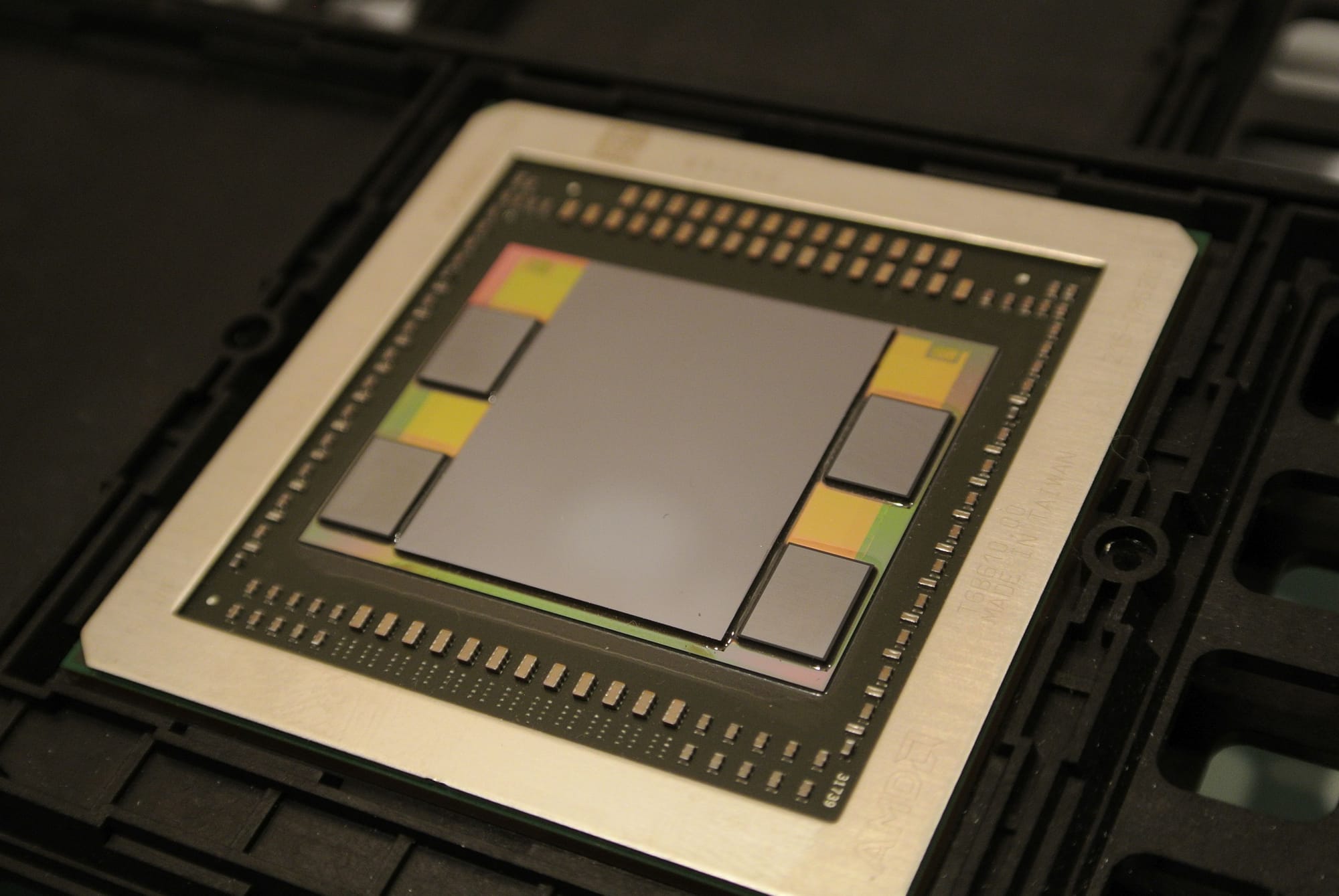
An ensuing memorandum of understanding expands cooperation in AI memory and computing technologies. Samsung was named the preferred supplier of HBM4, Samsung’s high-bandwidth memory, for AMD’s next-generation AI accelerator based on the Instinct MI455X GPU. The two companies also said they would cooperate on a rack-level AI data-center platform called Helios and on high-performance DDR5 memory solutions for AMD’s sixth-generation EPYC server CPUs.
The two firms have a long-running relationship in semiconductor technology, spanning nearly two decades. AMD previously relied on Samsung’s HBM memory during periods when Nvidia’s HBM shipments faced delays, a situation industry sources described at the time as Samsung stepping in to satisfy large-scale orders. The current agreement follows a pattern of strategic engagement between the two firms’ top executives.
Industry observers view the executive-level discussions as a catalyst for broader collaboration across memory, AI accelerators, and foundry capabilities. Samsung and AMD have signaled continued dialogue on both memory supply and manufacturing collaboration, suggesting further joint efforts may follow as AI workloads expand in data centers worldwide.
Lisa Su is also scheduled to meet Samsung Electronics’ Device Experience chief Nam Ta-moon the following day, underscoring the importance Samsung attaches to coordinating hardware and platform strategies across its AI and data-center stack.
For U.S. readers, the partnership matters because HBM4 memory and AMD’s Instinct accelerators play a key role in powering AI training and inference used by major cloud providers and enterprise applications. Samsung’s role as a memory supplier and potential collaborator with AMD could influence memory pricing, supply stability, and the pace of AI hardware deployments in American data centers, with downstream effects on tech giants, hyperscalers, and the broader AI ecosystem that relies on robust, secure supply chains.