Namdong District police probe guardians over brake-less fixie bikes used by middle schoolers
Incheon police are investigating a nocturnal incident in Namdong District in which middle school students rode fixie-style bicycles with brakes removed, threatening nearby students and residents. The case followed a prior request from a nearby high school for stronger patrols after reporting that younger students were gathering and riding around the area.
Namdong Police Station said on the 18th that two guardians, referred to as A and B, are under preliminary investigation for neglect under the Child Welfare Act. The investigation concerns the earl hours around 1 a.m. on a road in Ganseok-dong, Namdong-gu, where the children rode the fixies in a manner described as dangerous.
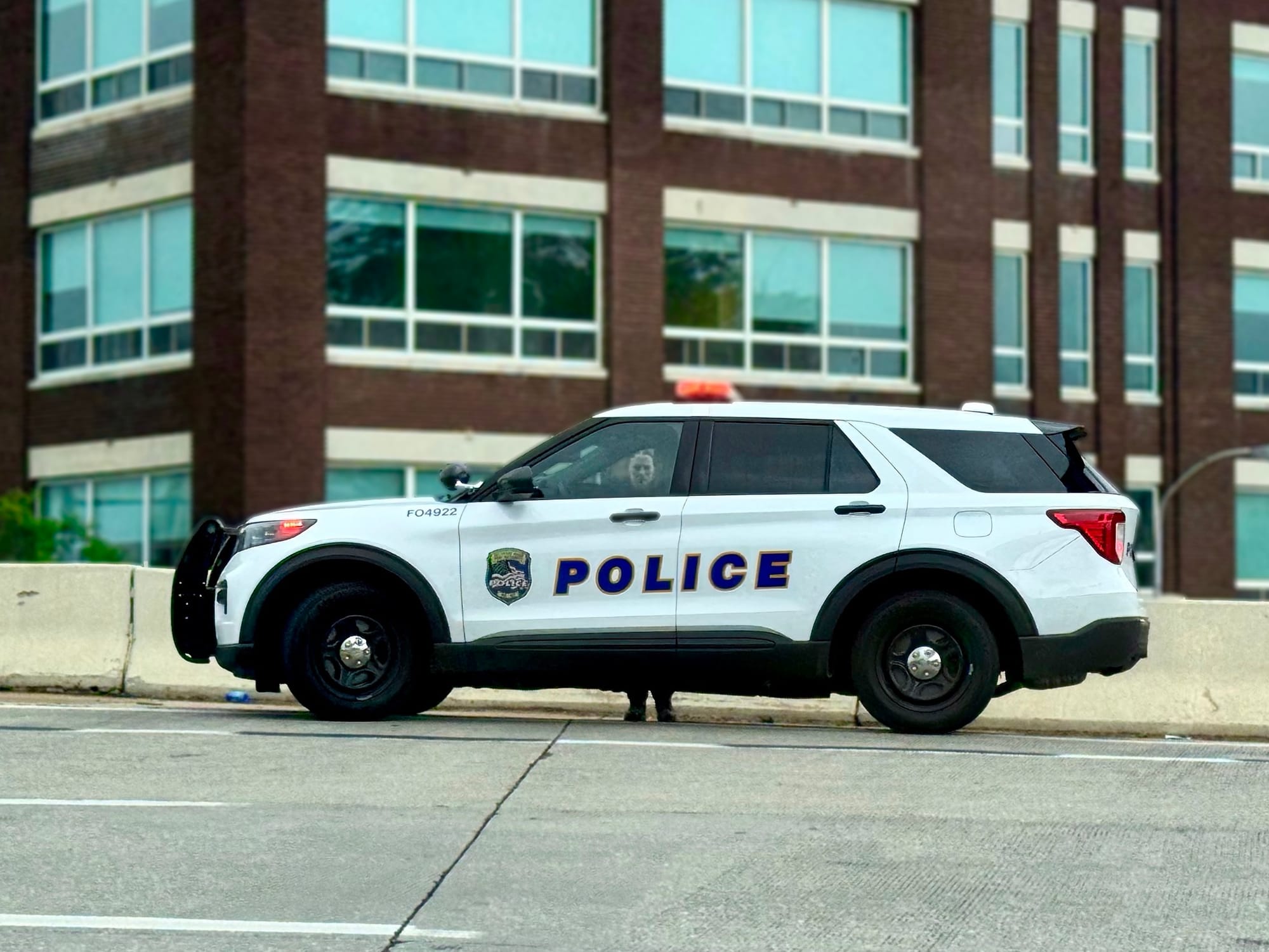
Police described the scene as seven youths riding together, with two of them having prior police contact. The authorities have not named the others, and the investigation is focusing on the guardians’ responsibility for supervising their children during the episode and prior incidents.
Under Korea’s Road Traffic Act, operating a vehicle without properly functioning braking devices can constitute a violation. Authorities say they began intensified education and enforcement on such breaches last August. Adult offenders face summary proceedings; for minors, guardians are notified and warned, with the possibility of further action if neglect continues.
The case in Incheon comes after earlier warnings issued by police on August 8 to A and B, in response to multiple incidents involving their children riding the bicycles dangerously. Since then, the police say the youths continued to be involved in risky behavior, leading to the current investigation.
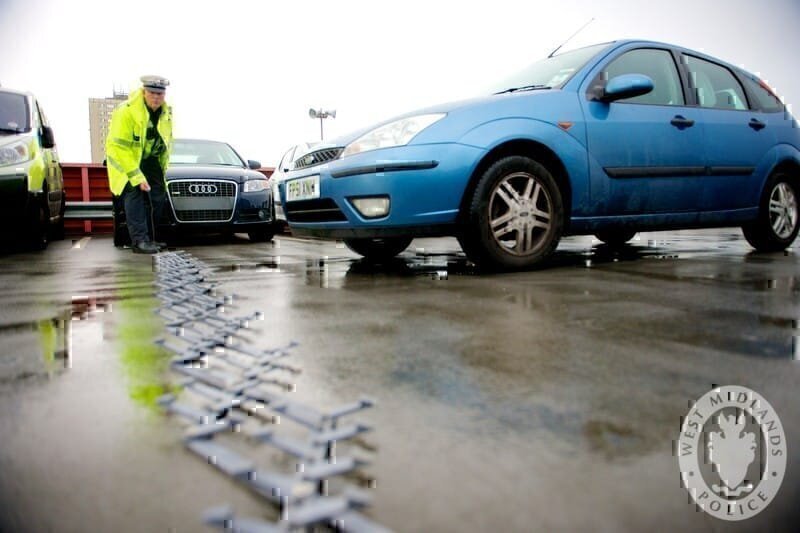
Separately, Seoul police reported a separate fatal incident last month in which a middle school student could not brake on a downhill side street, causing a collision with an outdoor air-conditioning unit and resulting in a death. The Incheon case remains under internal review, with further legal steps to be determined.
For readers outside Korea, the episode illustrates how urban safety, parental accountability, and traffic-law enforcement intersect in a densely populated city. It also highlights how social-media-fueled trends around risky youth behavior can prompt local authorities to tighten patrols and consider child welfare measures, a dynamic that has relevance for policymakers and law-enforcement audiences in the United States, where road safety, youth conduct, and parental responsibility are ongoing public concerns.