South Korea unveils national BCI plan to lead global brain health sector
Seoul, South Korea — The Ministry of Science and ICT and related agencies unveiled a national R&D strategy to build a “Brain Future Industry” and push Korea toward global leadership in brain-computer interface (BCI) technology and brain-health innovation. The plan, announced at the 44th meeting of the Biotech Comprehensive Policy Council, aims to translate Korea’s strong brain research into practical, citizen-facing industries.
The strategy centers on developing BCI technologies that could allow people to operate robotic limbs or computers with thought alone, and to advance innovative drugs for brain-related diseases such as dementia, autism spectrum disorders, and depression. Officials described BCI as a future-oriented pillar of Korea’s brain industry.
At the event, Deputy Prime Minister and Minister of Science and ICT Bae Kyung-hoon heard a demonstration of noninvasive BCI technology from UNIST professor Kim Seong-pil, illustrating the magnitude of Korea’s growing brain research ecosystem and its plans to commercialize breakthroughs.
The government also highlighted global context, noting milestones by competitors: Neuralink has conducted clinical trials of an implantable brain device, and China approved the world’s first invasive BCI medical device for spinal cord injury, signaling both regulatory progress and competitive pressure beyond Korea.
Under the plan, the government will launch seven “citizen-impact” BCI missions next year as part of the K-Moonshot program. The missions include enabling thought-driven control of paralyzed limbs, deep-brain stimulation to treat hard-to-treat brain conditions such as dementia, Parkinson’s and mood disorders, sensory restoration through brain stimulation, and the creation of artificial limbs and assistive devices. Other aims cover exoskeletons for mobility, ultra-realistic entertainment that maps emotions and sensations to media, and brain-signal–based drones, robots, communications and surveillance systems.
The strategy divides projects by regulatory approach: invasive BCI expected to demonstrate gains mainly in spinal injuries and other difficult-to-treat conditions, while noninvasive BCI is slated for earlier commercialization across medical, entertainment, and defense sectors. A dedicated program-management structure will coordinate industry, academia, and government partners, and the plan calls for closer regulatory cooperation with the Korea Food and Drug Safety Ministry to speed clinical advancement.
R&D priorities include expanding the supply of brain implant materials, brain-network–specific semiconductors, and neural signal decoding capabilities. The government also aims to strengthen pipelines for brain-related drug development through platform technologies that cross the blood-brain barrier, combat brain aging, and leverage brain organoids, while continuing foundational research and linking clinical trials.
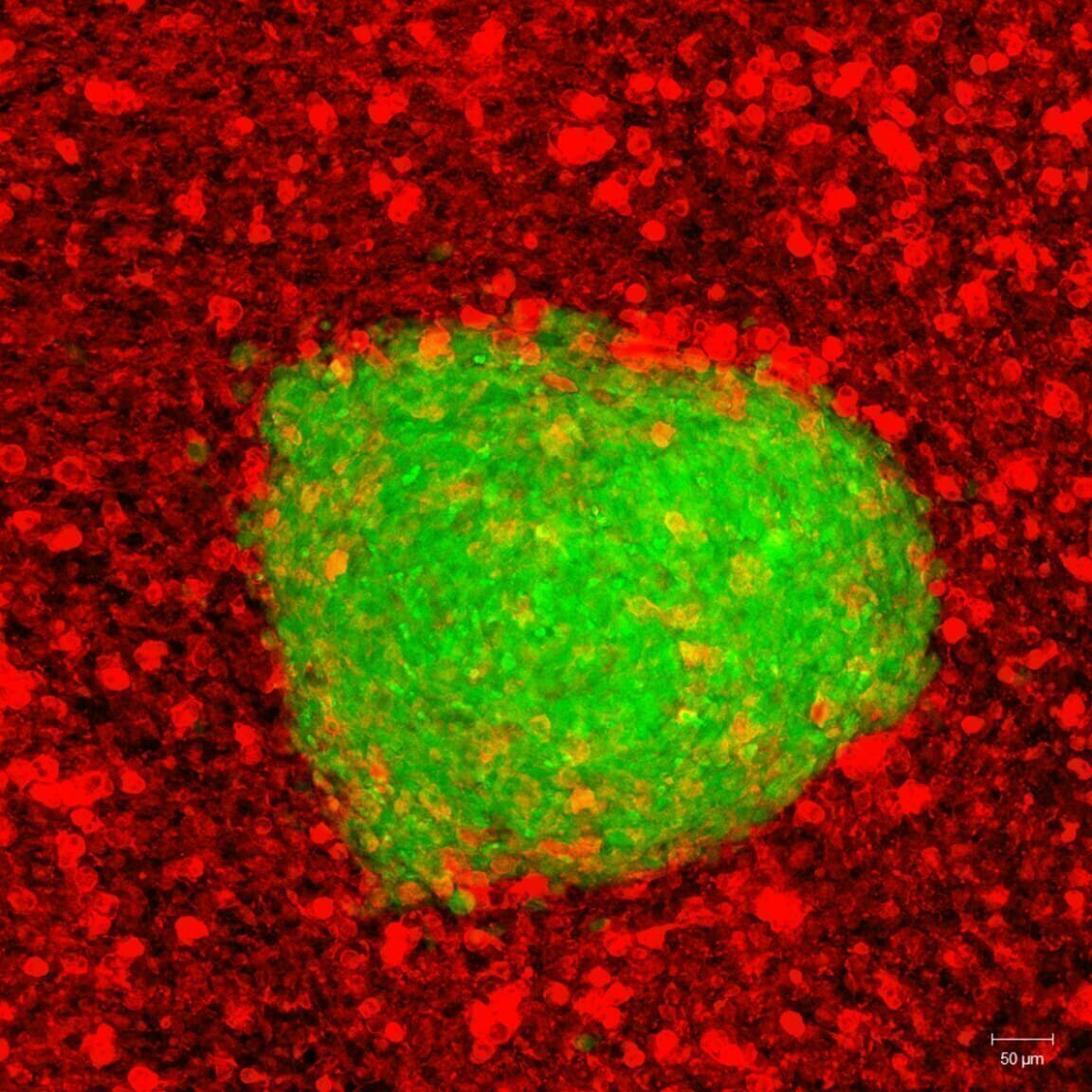
In addition, officials outlined plans to build a brain-data ecosystem, including a “brain-network foundation model” trained on EEG and brain-imaging data, and a digital twin of the human brain. They also intend to expand brain research infrastructure and create regional clusters to support the brain industry, including Daegu as a core brain research hub and Osong–Daejeon to connect major public research institutes with the bio-industry cluster.
The ministry stressed that the initiative includes long-term infrastructure and policy changes to reduce animal testing by gradually adopting brain organoids and brain digital twins, aligning with evolving ethics and regulation expectations. The plan envisions a national network of research centers and industry partners to accelerate development from bench to bedside.
The minister framed the strategy as preparing for a future in which AI interfaces may connect directly to the human brain, not through keyboards or smartphones, and positioned BCI as one of 12 Moonshot missions that could reshape Korea’s technological edge over the next 10 to 20 years. He said Korea intends to invest boldly to secure leadership in this next frontier, with implications for global supply chains, advanced manufacturing, and strategic technology competition, including potential collaborations and competition with U.S. tech and biotech ecosystems.