U.S. Reassesses NATO Ties Amid Middle East Tensions
The United States is calibrating its approach to alliances as tensions surge in the Middle East and Israel-Iran confrontations intensify. President Donald Trump used a White House meeting with Ireland’s prime minister to voice fatigue with NATO’s members and to signal that Washington’s strategy toward the alliance may be shifting as it eyes a broader regional deployment.
During the meeting with Prime Minister Micheál Martin on the 17th, Trump complained that NATO allies are making “a very stupid mistake” by resisting troop deployments and suggested ally countries have not shouldered their burden. He warned that the United States might rethink its commitment to NATO, noting the billions of dollars Washington has invested in the alliance and framing allied reluctance as a potential strain on U.S. security guarantees.
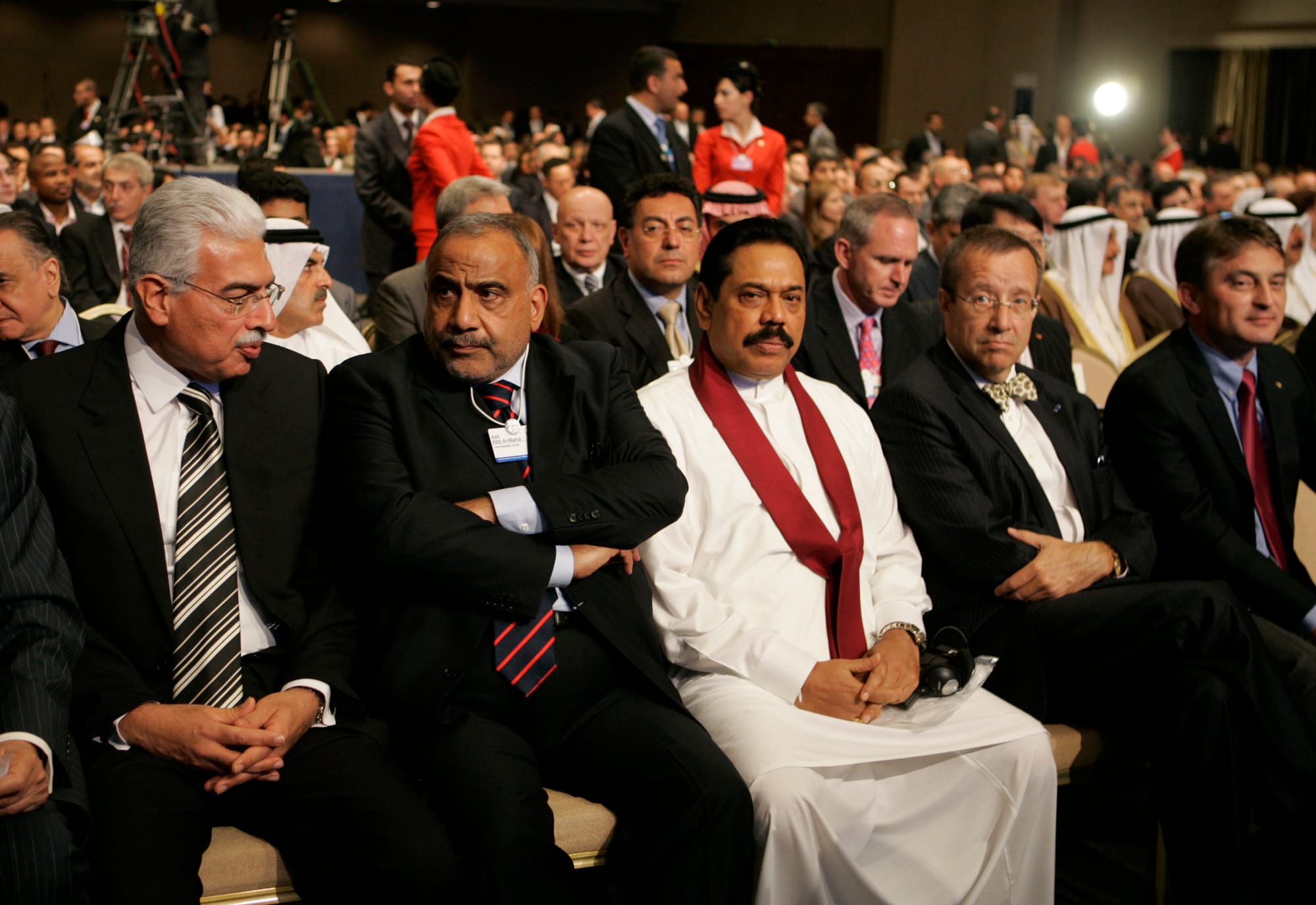
Reaction from European leaders was swift. German Defense Minister Boris Pistorius condemned the idea, saying, “This is not our war, and we did not start it.” French President Emmanuel Macron said his country would not participate in any operation to open or liberate the Hormuz Strait under current circumstances, and Polish Prime Minister Donald Tusk stressed that his nation would not send troops. Australia and Canada also signaled they would not join the mission. The United Arab Emirates emerged as the only notable ally signaling a possible path forward, with a UAE official suggesting participation in an international effort to secure the Hormuz region if the United States leads such a coalition.
Trump also hinted at shifting operational directions, posting on Truth Social that removing Iran’s residual threats and pressuring countries that use the Hormuz Strait could spur faster ally action. He implied that once Iran’s influence is diminished, reluctant allies might move more quickly to support any U.S.-led effort.
Separately, U.S. military movements drew attention. A navy amphibious assault ship, the Tripoli, carrying thousands of Marines, was tracked near Singapore as it transited toward the Middle East. The Wall Street Journal and CNN cited AIS data and reporting suggesting the ship’s deployment could underpin operations aimed at deterring or countering threats in the region, including plans to bolster forces in the Gulf.
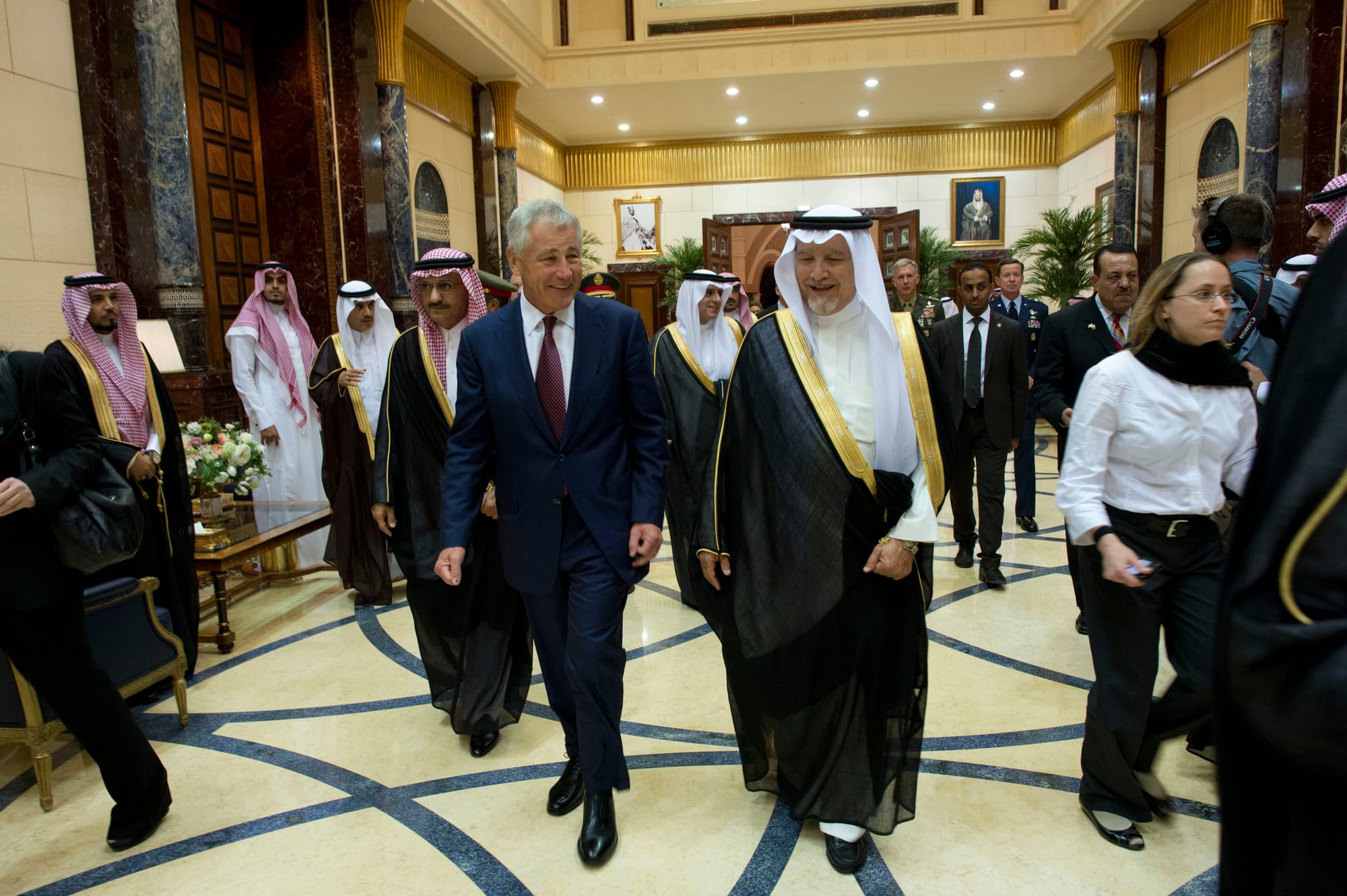
In Israel, authorities announced additional high-level strikes against Iran, saying they had targeted and killed Esma’il Hatib, the head of Iran’s Information Ministry, in Tehran. Israel’s Defense Minister reiterated that further major strikes were expected, underscoring a widening cycle of retaliations between Jerusalem and Tehran amid ongoing tensions around Iran’s nuclear and regional activities.
The events underscore a broader pattern of U.S. political signaling about alliance reliability, coupled with what officials describe as a potential realignment of force posture in a volatile Middle East. For global markets and policy-makers, the core questions are whether NATO members will match U.S. expectations on burden-sharing and deployment, how the United States will safeguard critical chokepoints such as the Strait of Hormuz, and how the evolving Israel-Iran confrontation could affect security, energy supplies, and regional stability in the months ahead.