Iran: U.S. Responsible for War; Demands Compensation, Redesign of Strait of Hormuz
Iranian Deputy Foreign Minister Abbas Araghchi told Al Jazeera in an interview that the United States bears responsibility for the war, and that any end to the fighting must include compensation for Iran’s damages. He argued that an outright end to the conflict requires Washington to acknowledge its role and to address Iran’s losses.
He asserted that the United States attacked first and that Iran’s actions were a response. He said civilian harm in the region followed from what he described as American aggression, insisting that damage across the Middle East was caused by the U.S. attack.
Araghchi said the strikes were not limited to official military bases, noting that any facility where U.S. forces were concentrated could be a target. He added that some targets may have been near urban areas, and he cautioned that civilian casualties were regrettable but originated with U.S. operations.
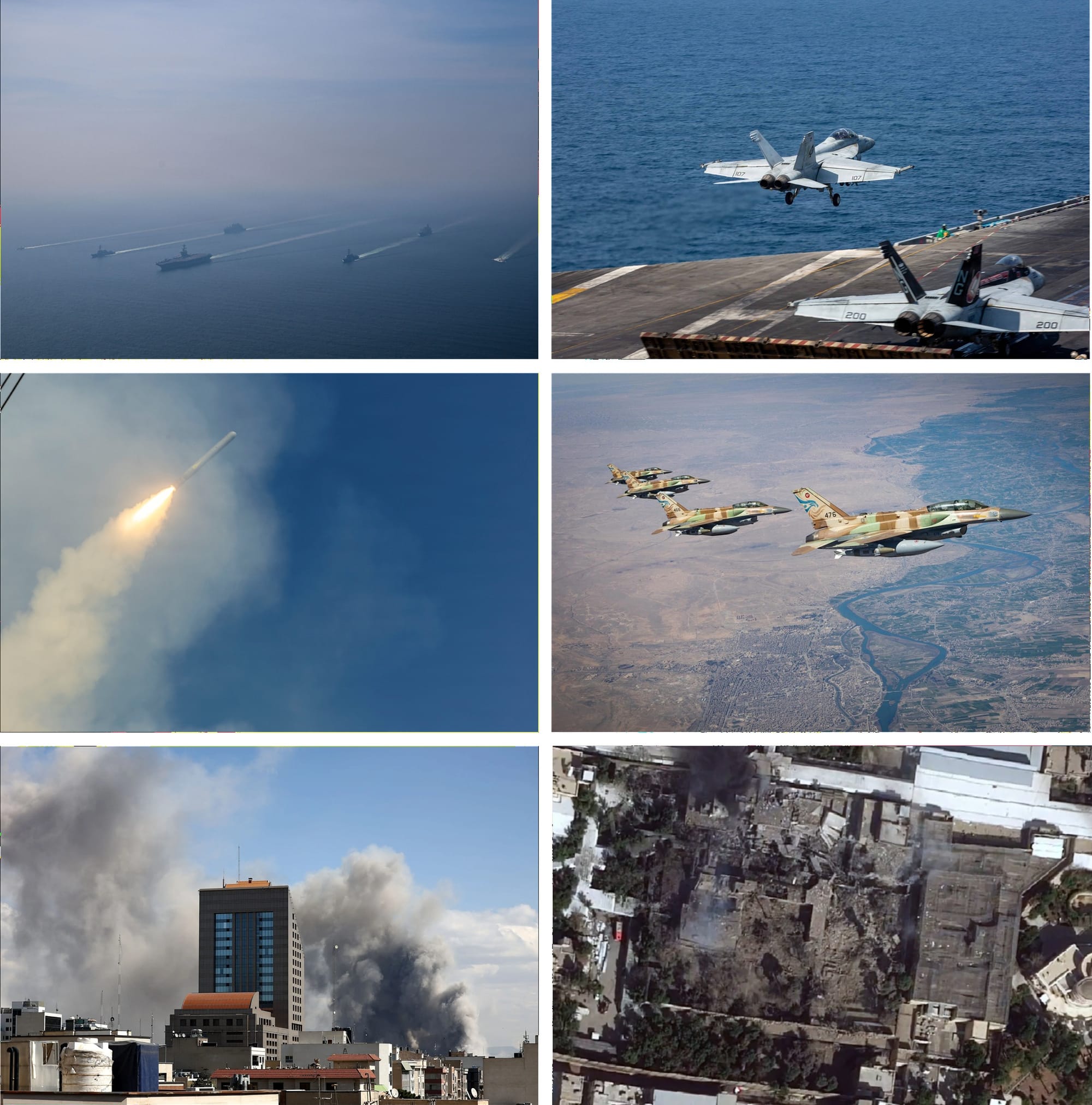
Regarding neighboring Gulf states, he attributed their exposure to the war to the United States providing military bases there. He also criticized certain countries for cooperating with Israel and the United States, saying such cooperation helped shape the current crisis.
On the issue of the Hormuz Strait blockade, Araghchi argued that opposing forces should not be allowed to use nearby waterways, and he called for a post-war redesign of the strait’s navigational regime. The strategic waterway is a short distance from Iran and a chokepoint for global energy shipments.
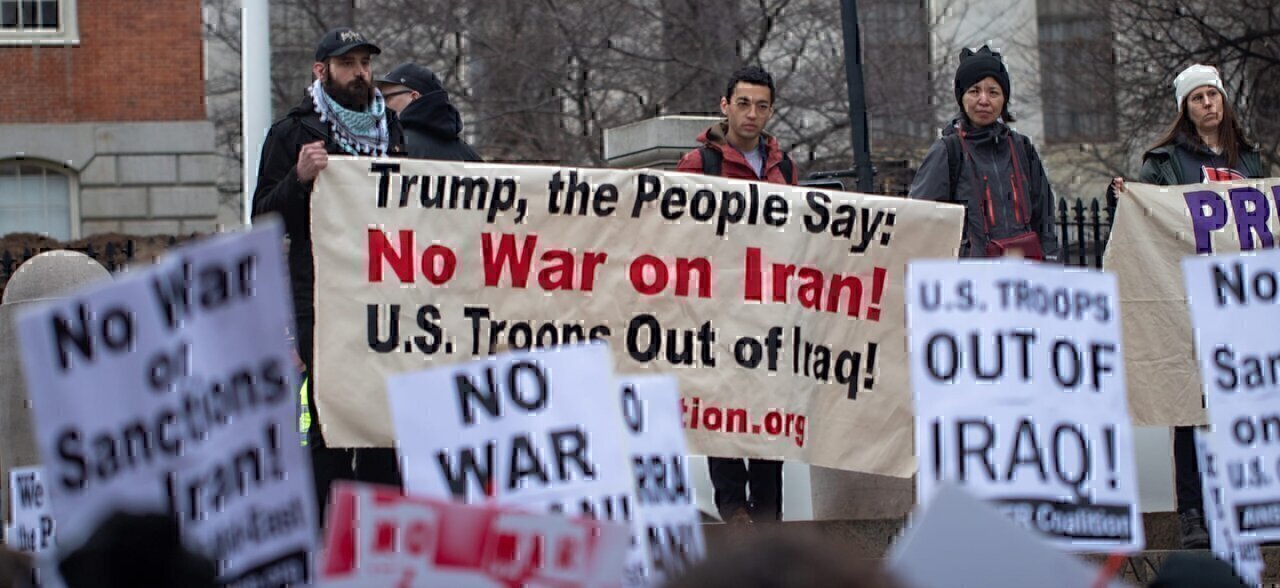
The minister also criticized U.S. leadership, saying Washington was drawn into the conflict under Prime Minister Netanyahu’s stance and that it failed to articulate a clear end goal. He suggested the United States bears responsibility for how the war escalated.
For ending the war, Araghchi reiterated that the United States must acknowledge its aggression and halt its actions, while Iran’s conditions—including compensation for damages—must be satisfied for a complete and permanent end. He stressed that Iran does not seek a mere ceasefire, but a full and lasting resolution.
Context for U.S. readers: Araghchi’s remarks come amid a broader regional fray connected to the Israel-Hamas conflict and Iran’s regional influence. His statements underscore Iran’s insistence on accountability and compensation, as well as concerns about energy security and safe navigation through the Strait of Hormuz, which has implications for global markets, alliances, and U.S. policy in the Middle East.