UAE Could Join U.S.-Led Effort to Secure Strait of Hormuz
The United Arab Emirates signaled it could join a U.S.-led effort to secure the Strait of Hormuz, a critical gateway for global energy shipments, during remarks by Anwar Gargash, the UAE president’s foreign affairs adviser. He spoke on the 17th at an online event hosted by the Council on Foreign Relations, a prominent U.S. policy think tank.
Gargash said the UAE could participate in international security efforts to ensure the safety and security of Hormuz if invited, while stressing that the UAE is not currently engaged in active dialogue with Iran. His comments underscore a potential shift in the UAE’s approach to Gulf security amid rising U.S.-Iran tensions.
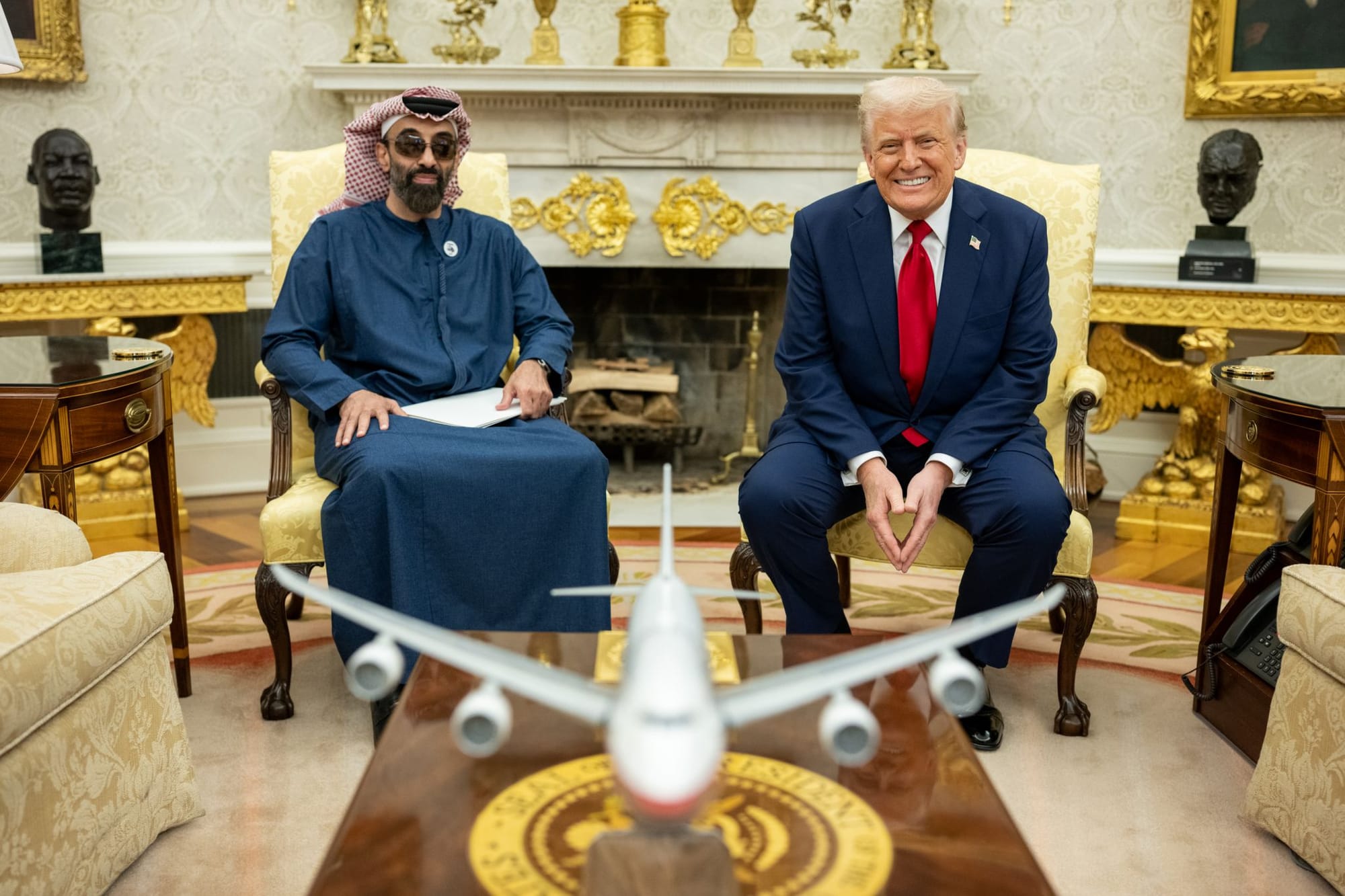
The remarks come as President Donald Trump has urged allied navies to deploy ships to Hormuz to safeguard energy routes. He has pressed partners across the region and beyond to contribute to a broader security posture in the Persian Gulf, where disruption to shipping could ripple through global energy markets.
Trump has publicly criticized allies that have not readily offered military support, saying in effect that “no more help is needed” from those unwilling partners. The stance reflects ongoing disputes over burden-sharing among Western and regional allies in handling regional security challenges.
For U.S. readers, the issue matters because roughly one-fifth of global oil shipments pass through the Strait of Hormuz. Any escalation or blockage could spur volatility in energy prices, affect supply chains, and influence markets worldwide, including in the United States.
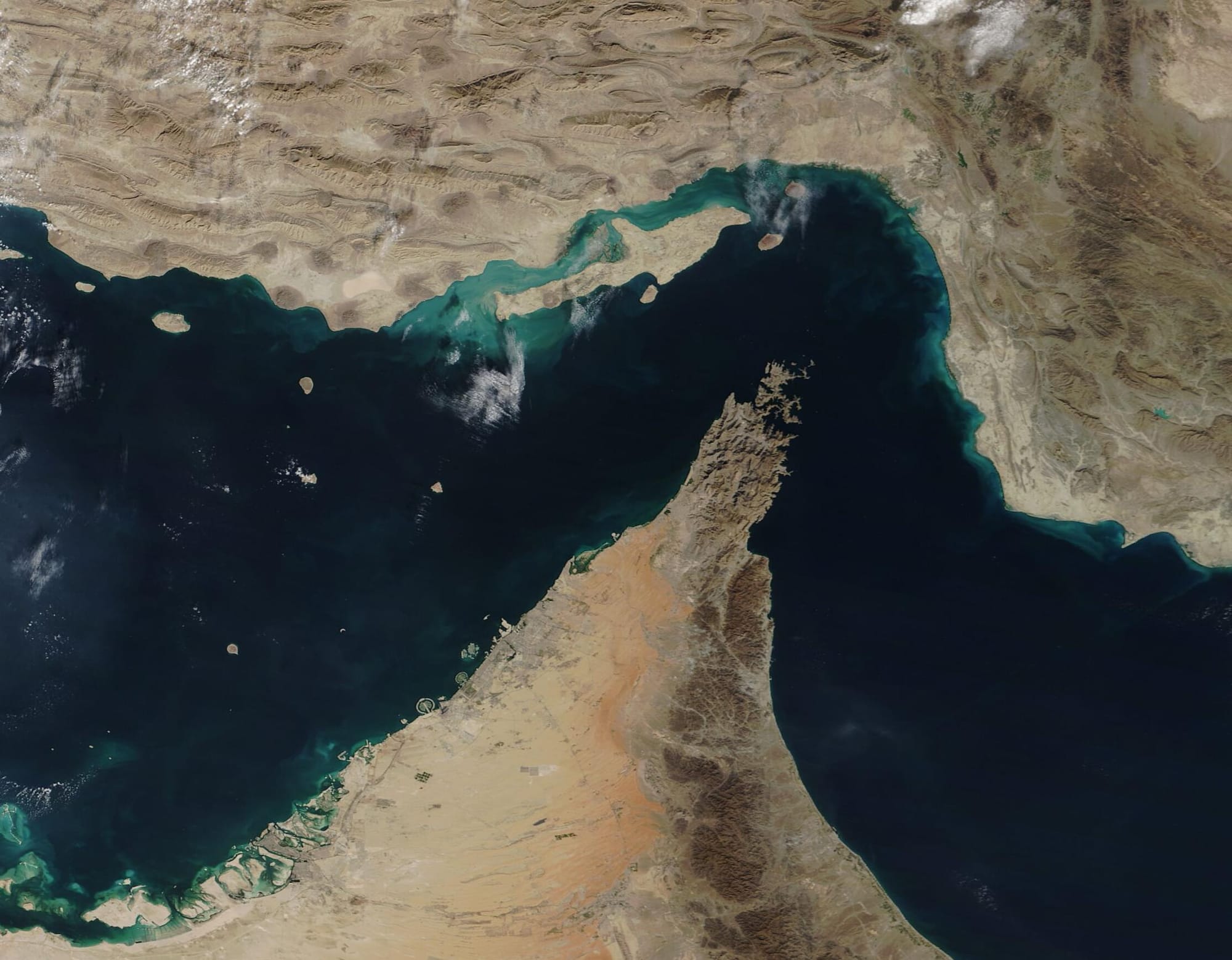
Context about the UAE helps non-Korean readers: Abu Dhabi-based policymakers in recent years have balanced cooperation with the United States and tensions with Iran, while seeking to preserve security and stability in a volatile region. Anwar Gargash is a veteran UAE diplomat who has served in senior foreign affairs roles, and the CFR is a leading Washington think tank that often hosts discussions on Middle East security and U.S. policy.
The report highlights a broader risk environment in the Gulf, where security considerations are closely tied to energy resilience and defense cooperation with the United States. An image caption accompanying the original report depicted a drone attack causing smoke at Dubai’s airport, underscoring the region’s ongoing security concerns and the relevance of any international security arrangements in the Gulf.