Israel Kills Iran's Security Chief, Iran Strikes Tel Aviv Area
Israel has said it killed Iran’s security chief, Larijani, prompting Iran’s Revolutionary Guards Corps to mount an immediate retaliation directed at central Israel, including the Tel Aviv area. The move comes amid a broader confrontation between Israel and Iran, with both sides signaling ongoing campaigns against each other’s leadership.
Iran’s Revolutionary Guards reportedly fired multiple ballistic missiles toward central Israel, using Khorramshahr-4 and Qadr missiles. Tehran said the attack targeted more than 100 military and security sites around Tel Aviv, asserting it was revenge for Larijani’s death.
The strikes produced civilian casualties on the Israeli side. A pair of elderly residents, aged in their 70s, were killed on the outskirts of Tel Aviv, and Israel’s rail network briefly suspended operations as a precaution amid the flare-up.
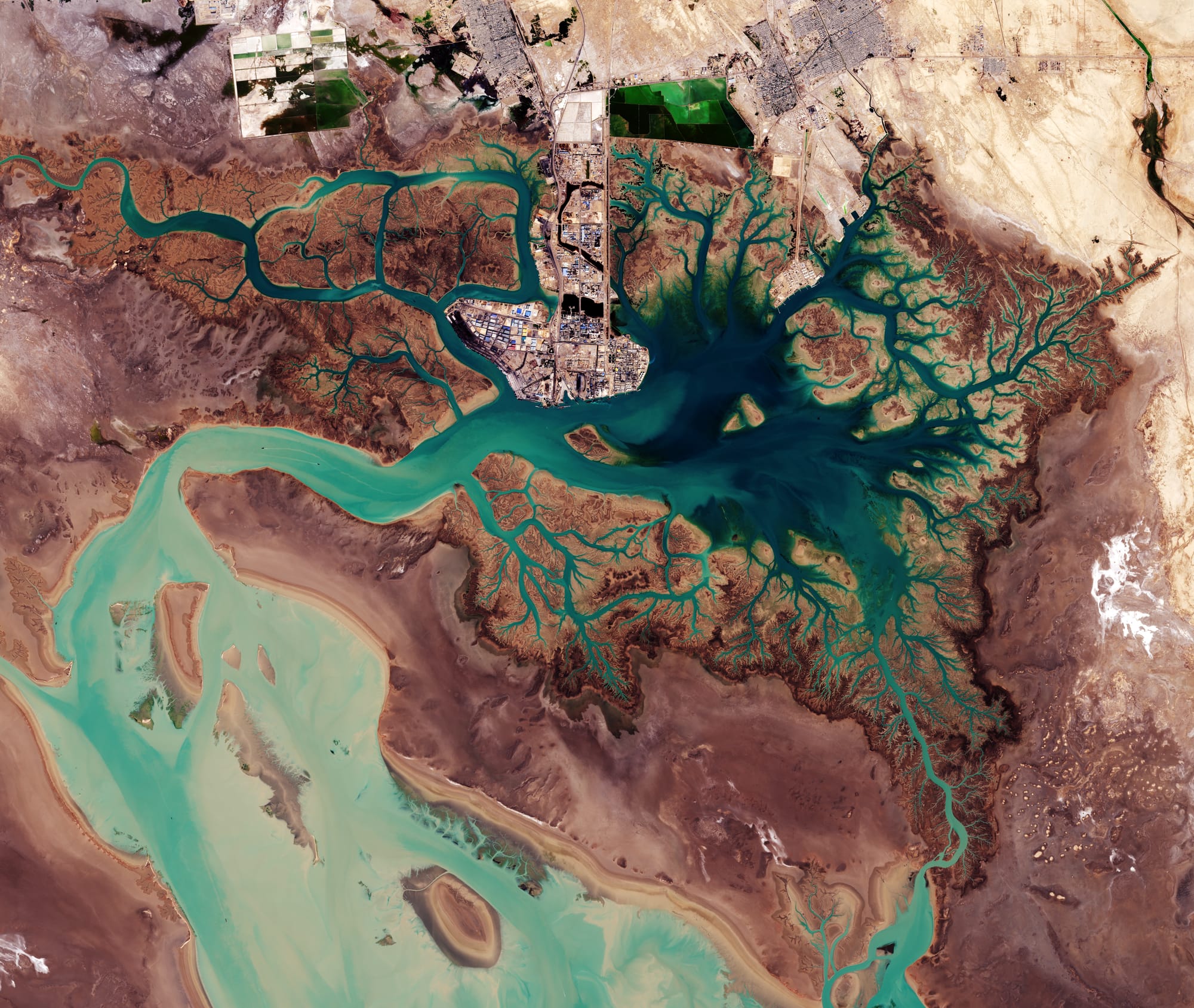
In a parallel action, Iran launched several drones at the U.S. Embassy compound in Baghdad, triggering alarms and alarms in the area as authorities warned residents. The incident underscores the ongoing security spillover from Iran’s confrontations with Israel, and heightened tensions in Iraq’s capital.
Iran’s president, Ebrahim Raisi, warned of harsh retaliation, describing the killing of Larijani as an act that would be met with “revenge.” The Iranian leadership has framed the incident as part of a broader struggle against what it calls terrorism.
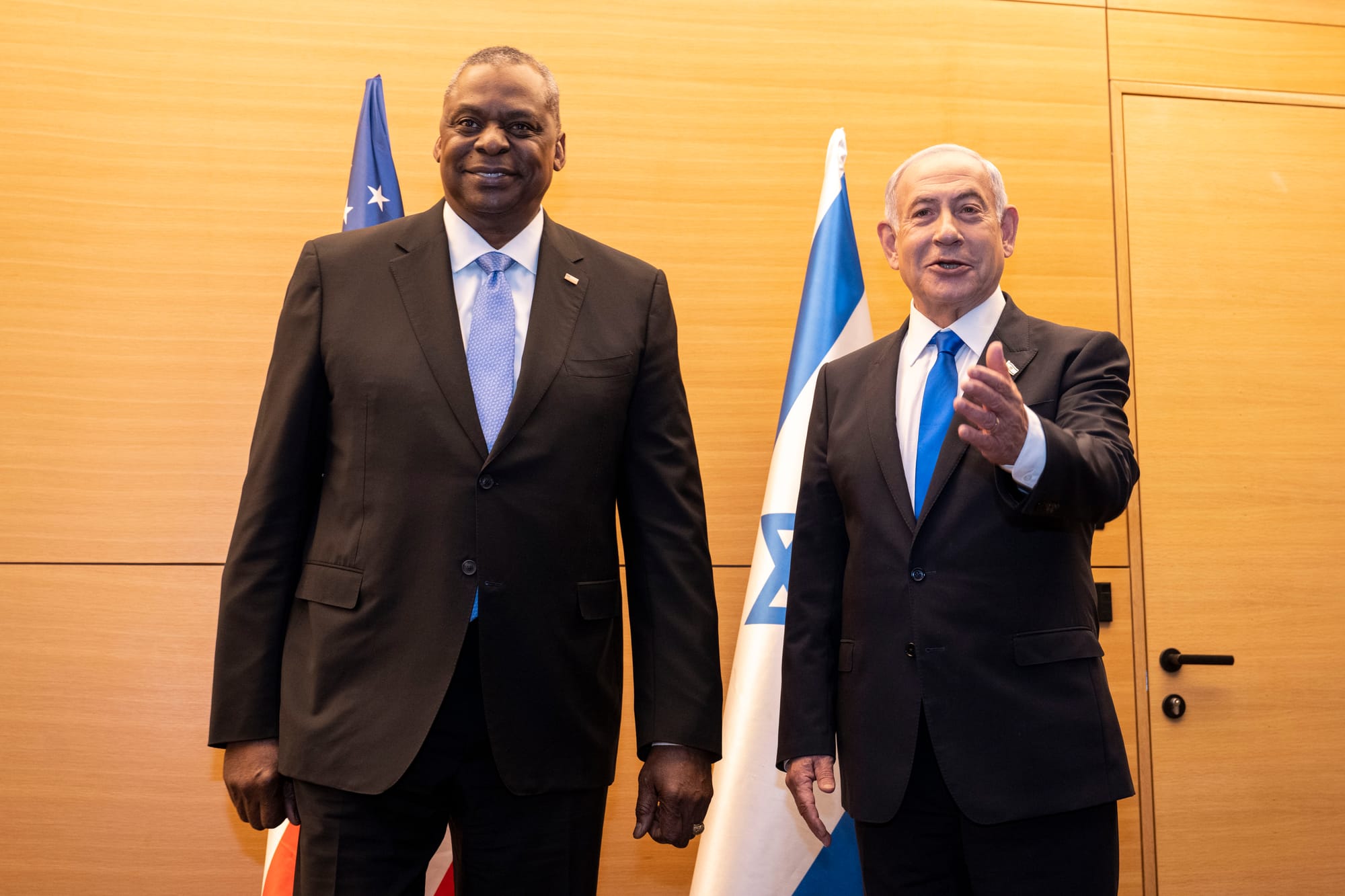
Israel’s prime minister, Benjamin Netanyahu, told supporters that Israel had removed two top leaders of what he described as a tyrannical terrorist regime, signaling that he believes the campaign will continue on a high level. Israeli officials say the operation aims to degrade Iran’s ability to conduct leadership-guided attacks.
The Wall Street Journal cited analysis suggesting Israel is pursuing Iran’s leadership with a heavy reliance on intelligence and a broad strike capacity, noting more than 10,000 Israeli missiles may have been deployed in the current phase of the conflict. The report highlights how regional escalation feeds into broader security and defense considerations for the United States and its allies.
Why this matters for the United States and global readers: the episode illustrates how Iran-Israel confrontation can spill over into Iraq and other Arab states, potentially affecting U.S. personnel and interests in the region. Escalation risks to energy markets and global supply chains, from Middle East stability to defense technology exchanges, are key considerations for U.S. policymakers and markets alike. The incident also reinforces the importance of alliances with Israel and regional partners in managing threats and maintaining regional deterrence.