Nvidia Secures Limited U.S. Approval to Export H200 Chips to China
China has approved purchases of Nvidia’s H200 AI chips for multiple Chinese firms, a move described by Chinese economic media as signaling very strong demand for the device in the domestic market. The development underscores how global AI hardware sales are increasingly tied to political and regulatory steps between the United States and China.
Reuters cited sources saying Nvidia waited months for licensing from both sides and that the company has obtained U.S. approval to export limited quantities to certain Chinese customers. Chinese authorities reportedly granted preliminary approvals for imports of the H200 by ByteDance, Tencent, Alibaba, and an AI startup referred to as DeepSik, with final clearance expected to follow a review.
Nvidia CEO Jensen Huang said at the GTC 2026 conference in California that the company has received purchase orders from several Chinese firms and is restarting H200 production to fulfill those requests. This public frame from Nvidia aligns with expectations that demand from China could soon translate into actual shipments, even as regulatory steps remain sensitive.

A Chinese company executive told Reuters that while final government approval may not be fully confirmed, Nvidia had informed them that orders could proceed. The absence of a formal China statement leaves some regulatory details unresolved, but industry sources view this as a meaningful step toward reintroducing Chinese buyers to Nvidia’s high-end chips.
Nvidia disclosed in an SEC filing that the U.S. government had, in February, permitted exports of small quantities of H200 products to a limited set of Chinese customers. This context sits against a broader export-control backdrop that has long constrained China’s access to leading AI accelerators.
Historically, the Trump administration restricted exports of high-performance chips to China. The article notes that late last year the administration proposed easing some of these rules on Nvidia in exchange for a licensing fee of about 25% of profits, signaling how policy shifts can influence supply chains for AI hardware.
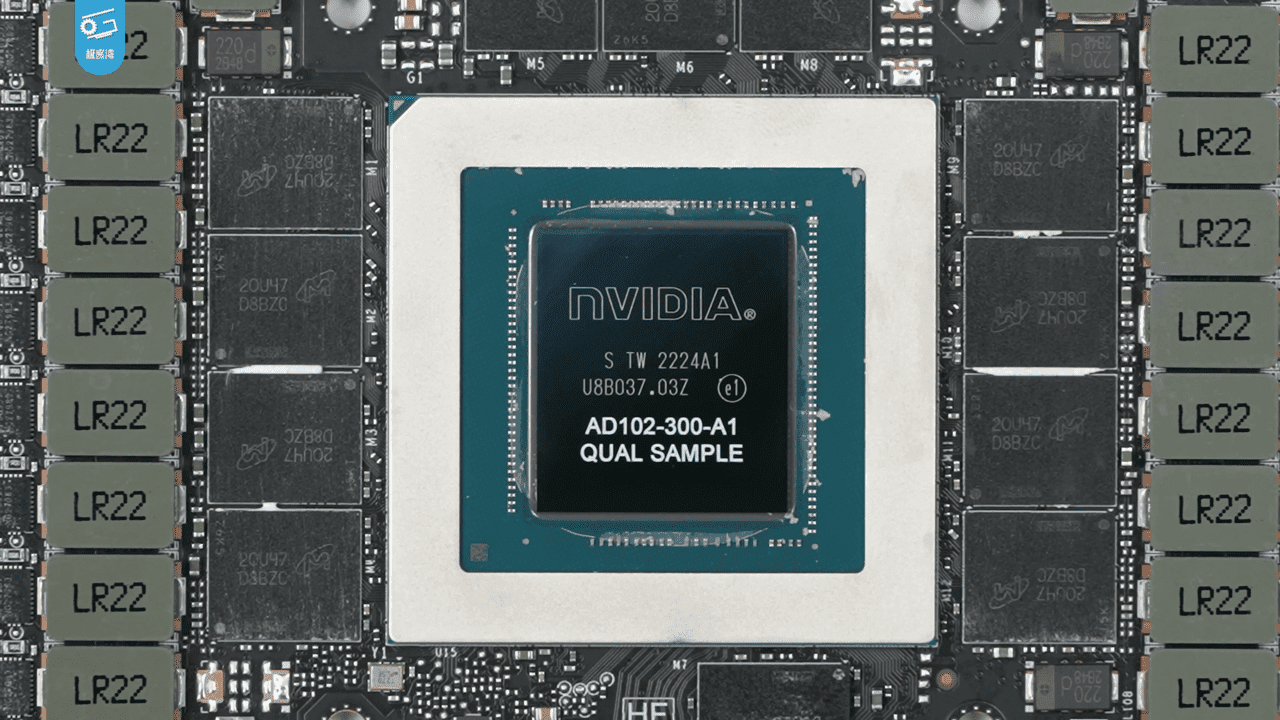
China has long prioritized domestic chip development, which helped justify delays in approvals for AI hardware imports. Still, market observers see the latest permissions as a cautious reopening of China’s access to Nvidia’s H200 in a limited, regulated fashion, with potential implications for Nvidia’s sales and for global AI chip dynamics.
Analysts and industry observers from Chinese financial media called the move a positive development for Nvidia’s engagement with China and noted that, as the world’s largest semiconductor market, China remains central to Nvidia’s long-term growth. They also hinted that Nvidia could soon publish Chinese sales data as demand appears set to remain robust.
The Chinese embassy in Washington did not offer a formal comment, saying it did not have specifics and directing queries to the relevant authorities. For U.S. readers, the key takeaway is that these approvals—if fully realized—could affect AI deployment, supply chains, and competitive dynamics between the United States and China in high-end computing hardware.