South Korea to import 18 million UAE crude amid Gulf tensions
South Korea’s Ministry of Trade, Industry and Energy announced an emergency plan to import 18 million barrels of crude from the United Arab Emirates to stabilize oil supply amid ongoing tensions in the Middle East and concerns about disruptions around the Hormuz Strait. Of this package, six million barrels will be shipped by UAE-flag vessels on three ships, while 12 million barrels will be transported by six Korean-flag ships.
The move follows a visit by a UAE Strategy and Economic Cooperation Special Envoy delegation led by Kang Hoon-sik, head of the President’s Office, which confirmed the decision to secure the additional crude from the UAE. The government said this would bring Korea’s total crude imports from the UAE to 24 million barrels.
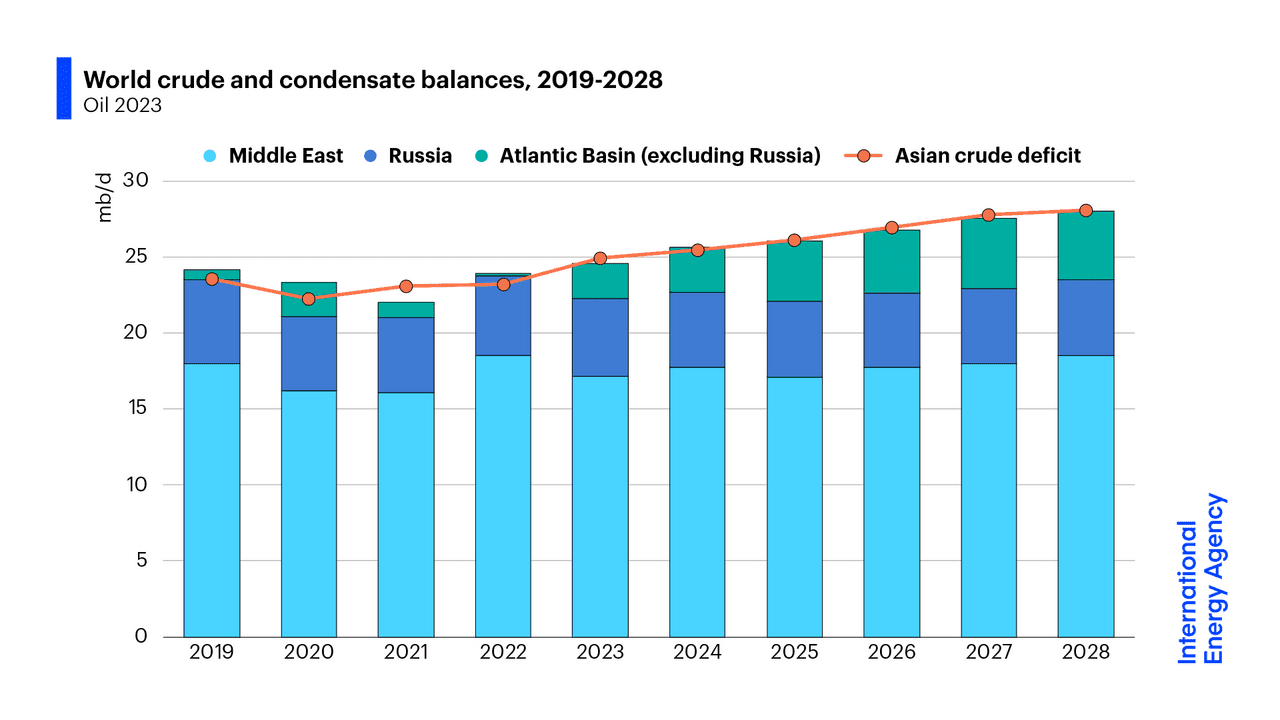
In addition to the crude, one tanker carrying naphtha—the petrochemical feedstock used in plastics and other chemicals—is also heading to South Korea. This indicates a broader effort to secure not only fuels but key inputs for Korea’s petrochemical industries.
Moon Shin-hak, the deputy minister of the Industry Ministry, described the development as significant given the risk of Middle East disruptions, including potential blockages in the Hormuz Strait. He noted that the government had not previously secured such a large-scale oil supply commitment from a core ally, and suggested the agreement would strengthen cooperation with the UAE.
Officials said diversifying amid volatile geopolitical conditions is part of Korea’s broader energy-security strategy, aiming to secure reliable supply routes and mitigate price swings. The UAE’s role as a major oil producer in the Gulf makes its cooperation consequential for regional stability and global energy markets.

For international readers, the episode highlights how Gulf oil producers remain central to global energy reliability. The UAE, a leading Gulf producer and an influential member of the OPEC+ framework, can affect crude flows and prices that influence global markets and inflation, including in the United States.
The arrangement also underscores the connected nature of global supply chains: Korea’s refining sector relies on steady access to crude and feedstocks like naphtha from international markets, reflecting how shifts in Middle East supply can ripple through Asian economies and downstream industries worldwide.