Damien Hirst Retrospective Opens at MMCA Seoul, Asia’s First Comprehensive Career Survey
A major retrospective of British artist Damien Hirst opens in Seoul, marking Asia’s first comprehensive survey of his four-decade career. The exhibition runs at the National Museum of Modern Art, Korea (MMCA Seoul) in Samcheong-dong, beginning on the 20th.
Titled Damien Hirst: Truth Is Not There, But Everything Is Possible, the show surveys four decades of the artist’s work. It traces his shift from early collage and pop-realist experiments to monumental, provocative works that fuse art, science and philosophy, culminating in pieces that confront death head-on.
The six-part display spans early studies, including Spot Paintings and Spin Paintings, to later works that engage with mortality and materiality. The curatorial concept aims to map the arc of Hirst’s practice—from playful formal experiments to works that demand existential reflection.
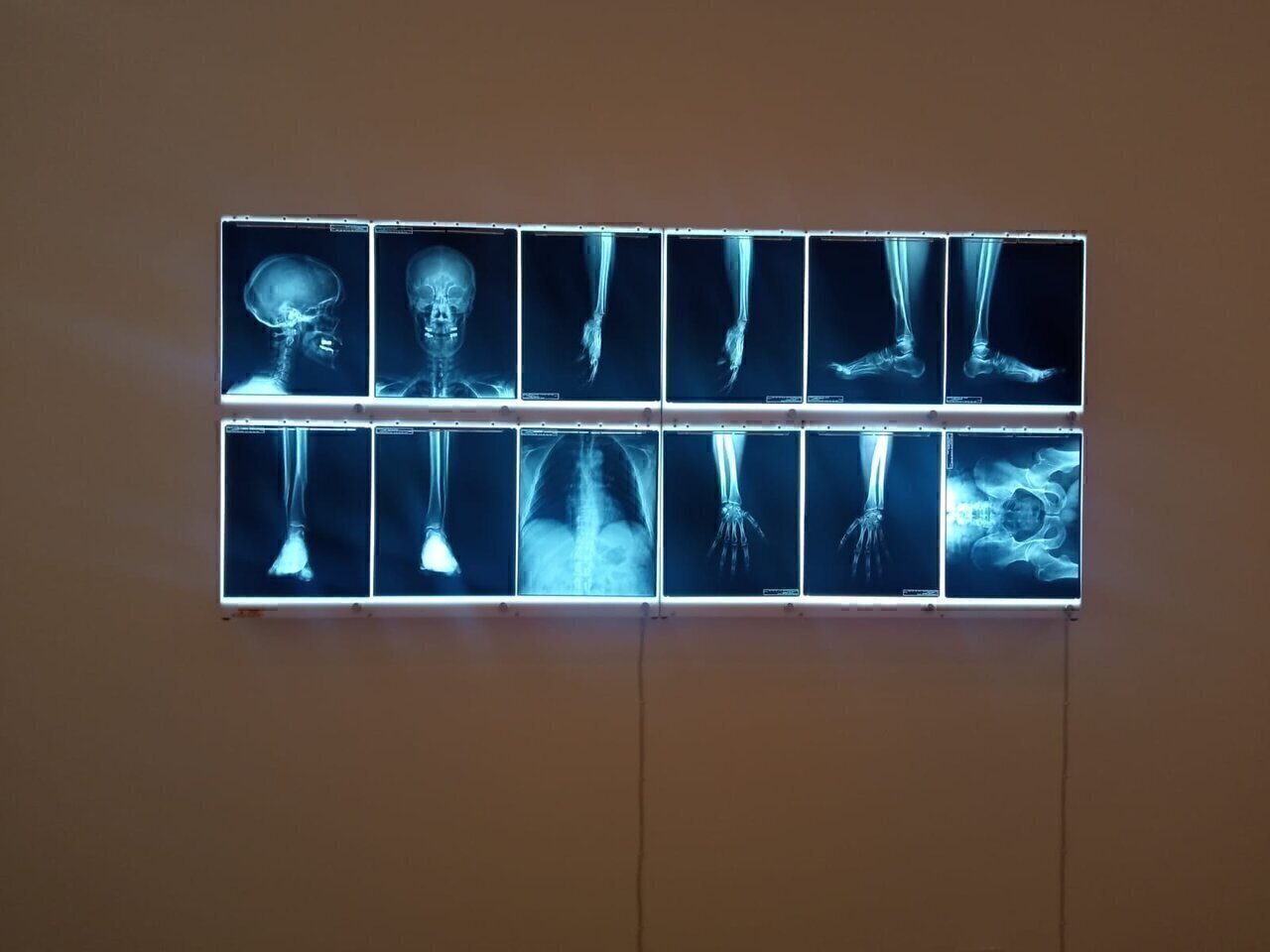
Among the highlights are two of Hirst’s best-known pieces: The Physical Impossibility of Death in the Mind of the Living, a shark suspended in a tank of formaldehyde, and For the Love of God, a platinum skull encrusted with diamonds. The latter—perhaps his most famous and controversial work—has been cited as having commanded roughly $100 million at sale.
Another major attraction is the display of a large-scale diamond-studded skull, and the show also presents the artist’s studio approach. In a section reproduced from his London workspace, visitors see canvases that were still in progress just before installation, offering a rare glimpse into the creator’s process.
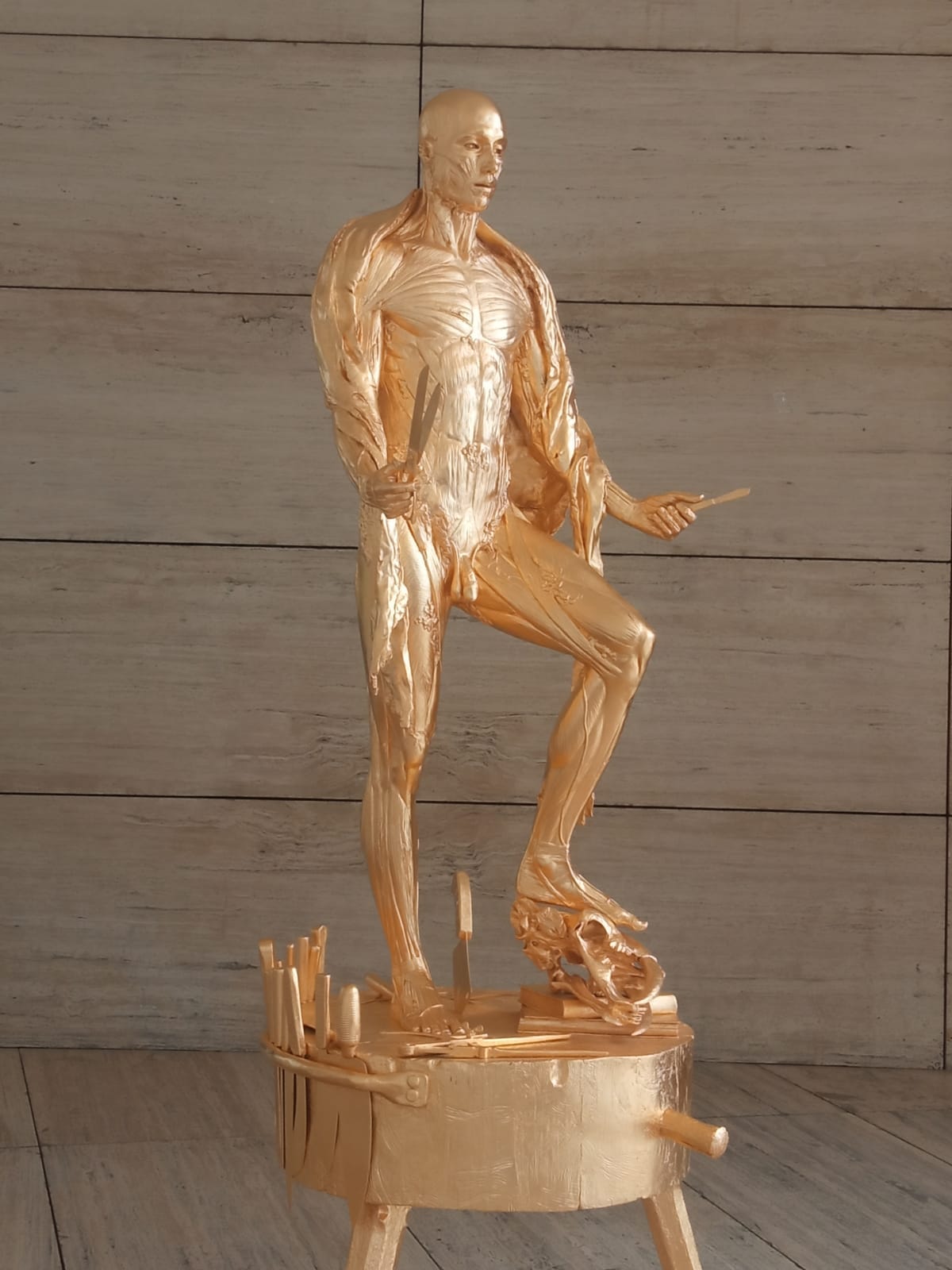
The exhibition is divided into four sections, culminating in a segment that presents the artist’s studio and works in progress. The museum notes the show is designed to illuminate how Hirst’s art integrates concepts from art, science and religion while tracing the mercurial developments of his practice.
The MMCA Seoul director, Kim Seong-hee, described the retrospective as a thorough, globally minded look at a leading contemporary artist, expected to resonate both domestically and internationally. The show runs through June 28, with admission priced at 8,000 won.
Why this matters to U.S. readers: Hirst’s work sits at the intersection of high-end art markets, cultural diplomacy and global museum programming. His projects routinely draw large audiences and command record prices, influencing collectors, investors and exhibition plans in the United States. The Seoul show illustrates how Western avant-garde figures travel to, and are reinterpreted by, Asian audiences, informing American museums’ strategies for international collaboration, acquisitions, and audience development. It also highlights how cross-disciplinary themes—death, science, religion and philosophy—continue to shape global cultural conversations that reverberate in U.S. museums, galleries and markets.