U.S. Pressure on Cuba to Oust Díaz-Canel Ties Energy Talks to Regime Change
The New York Times reports that during discussions between Washington and Havana, the Trump administration pressured Cuban President Miguel Díaz-Canel to resign as a condition for making progress on resolving Cuba’s energy shortage, which has intensified under the U.S. embargo.
Citing multiple sources familiar with the talks, the NYT says the United States told Díaz-Canel that no agreement could move forward while he remains in office. The discussions reportedly also demanded the dismissal of several senior officials who uphold the socialist revolutionary line, while reportedly not pressing for action against the Castro family.
The newspaper notes that the requested changes aim to remove symbolic leaders but leave the Communist regime intact, reflecting a policy pattern under Trump of seeking regime compliance without pursuing wholesale political transformation.
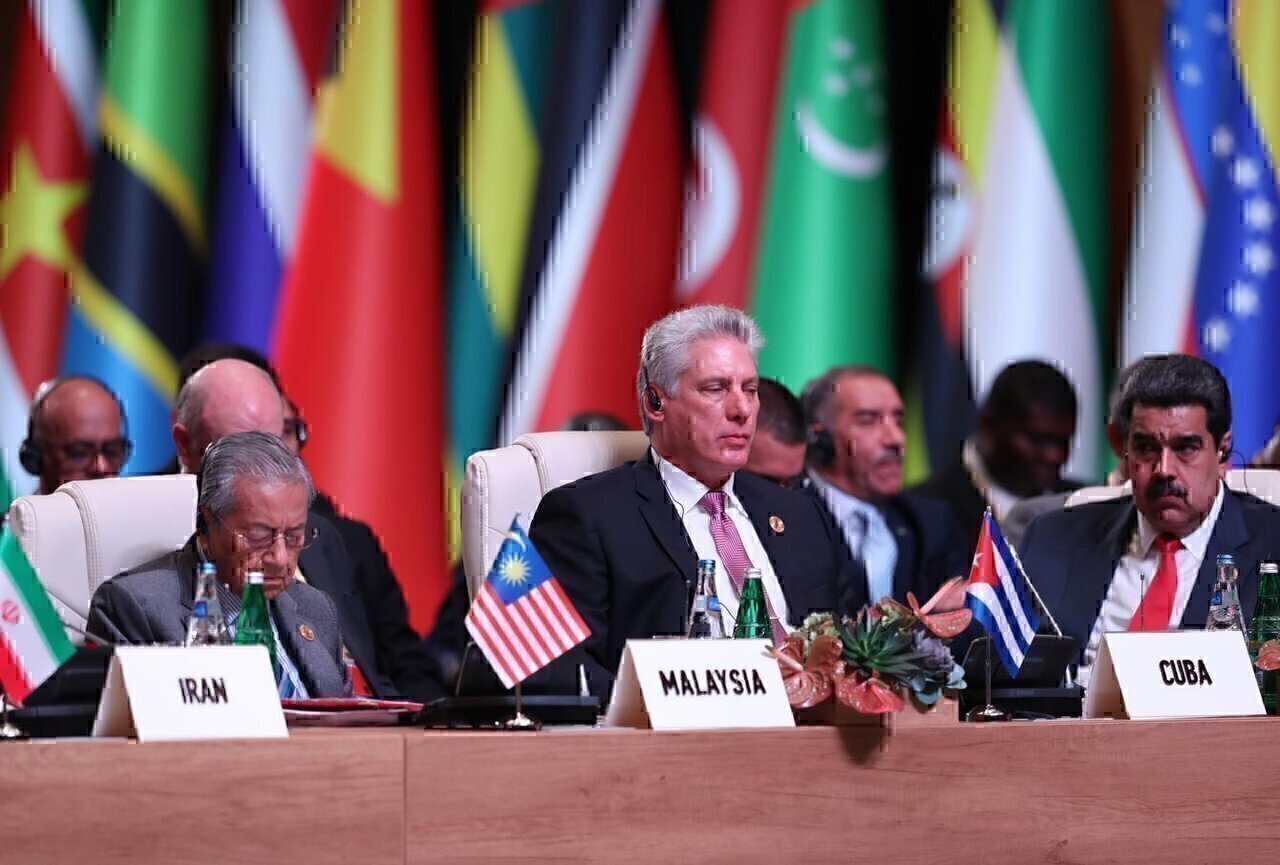
The NYT draws a parallel to Venezuela, where the United States ousted President Nicolás Maduro but subsequently pressed for changes in leadership by signaling an interim authority, illustrating a strategy of pressuring for regime behavior while managing public optics.
The report indicates Cuba has faced a severe energy shortage tied to intensified U.S. pressure, and that Havana had entered talks with the United States to resolve the crisis around the middle of the month.
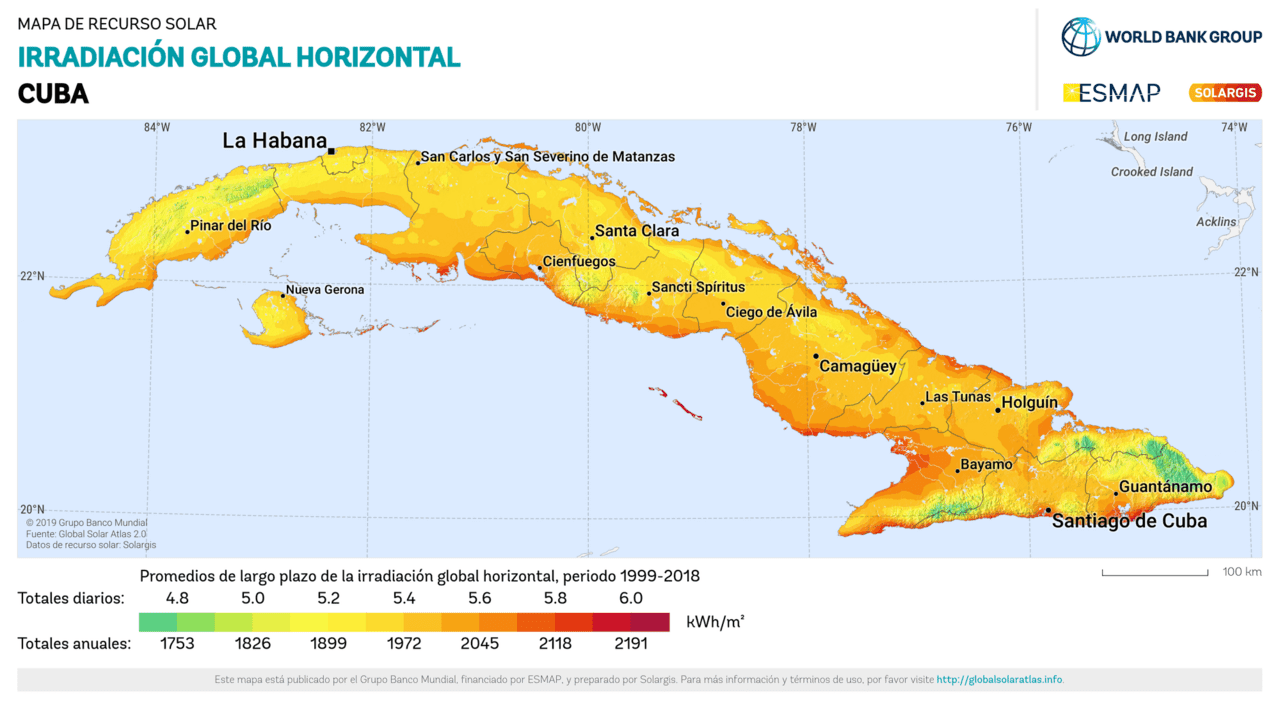
Amid these discussions, President Trump continued to articulate a hardline stance toward Cuba, publicly signaling an intent to “take” Cuba, underscoring the administration’s willingness to pursue aggressive leverage even as talks occurred.
For U.S. readers, the story matters because Cuba’s energy gap affects regional energy markets and supply chains, and any shift in Cuba’s political direction could influence sanctions policy, Caribbean security dynamics, and broader U.S.-Latin America relations.
Background context: Díaz-Canel has led Cuba since 2018 as the head of a one-party socialist state, with the Castro family long central to Cuba’s political leadership. The embargo that constrains Cuba’s access to energy and finance has been a persistent feature of U.S.-Cuba relations and regional geopolitics for decades.