Ali Larijani reportedly killed in Israeli airstrike as tensions rise
Iran’s conflict with the United States and Israel has intensified, with Israel announcing the killing of Ali Larijani, a top Iranian security official described as the second-most powerful figure after the Supreme Leader. Israeli Defense Minister Benny Gantz said in a statement that Larijani was eliminated in an airstrike, and the Israeli army’s chief of staff, Eyal Zamir, said the operation could affect the war’s trajectory. Iran’s authorities have not confirmed Larijani’s death. Some Iranian media outlets circulated what they described as a photo of Larijani’s diary entry, reportedly written the day before the attack that sank the Iranian escort ship Dena in Sri Lankan waters after a U.S. strike.
Larijani, a former Tehran University philosophy professor, has been widely characterized as a pragmatic conservative who, in his earlier roles, was seen as among the closest aides to Iran’s Supreme Leader, Ayatollah Ali Khamenei. He has been discussed in Iranian circles as a potential successor to the leadership and as a senior figure capable of directing state policy, particularly on security and foreign affairs.

Iranian authorities have not publicly confirmed Larijani’s death, and state media have offered no definitive statement. The reports tying Larijani to a personal diary note tied to the Dena incident add another layer of ambiguity to an already tense moment in a war that Iran labels as escalatory by its adversaries.
Separately, CNN reported that Iran’s oil exports have shown little change despite the ongoing conflict. The outlet cited that Iran ships roughly one million barrels per day or more, not far from last year’s average of about 1.69 million barrels per day. In this framing, Tehran’s crude shipments have continued at a substantial clip even as military tensions flare.
Analysts cited by CNN suggested that U.S. concerns about rising oil prices may be shaping the broader environment that allows Iran to trade oil with relative ease, despite sanctions and heightened risk. This point underscores how the war’s spillover effects reach global energy markets and fuel policy considerations in Washington.
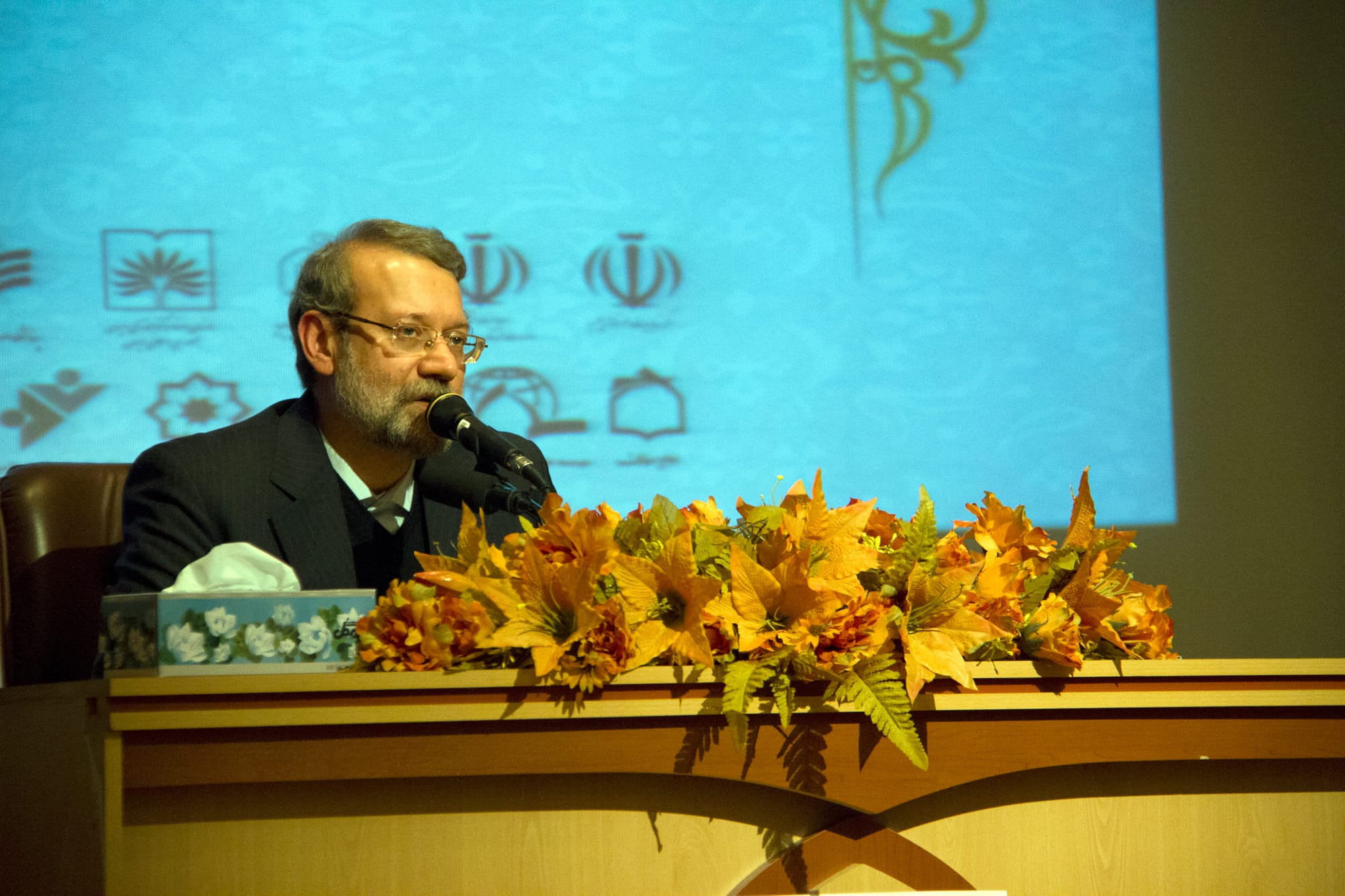
For U.S. readers, the developments matter because they touch on regional security and the balance of power in the Middle East, with potential implications for American military posture in the region and for global energy prices. The fate of senior Iranian figures and the continuity of Iran’s oil exports during conflict influence both sanctions policy and the risk premium priced into crude markets, which in turn affect American consumers and energy-dependent industries.
The situation remains fluid. Iran has not confirmed Larijani’s death, and the broader war with Israel and the United States continues to evolve, with oil markets watching for any further shocks that could ripple through supply chains and pricing.