Susie Wiles, Trump's White House chief of staff, diagnosed with early-stage breast cancer
Susie Wiles, a longtime adviser to Donald Trump who has been serving as White House chief of staff, has been diagnosed with early-stage breast cancer, Trump said on Truth Social on the 16th. He wrote that she did not delay treatment and would face the challenge immediately, adding that she has an excellent medical team and that the prognosis is very favorable. He noted that she would be effectively full-time at the White House during treatment.
Trump described Wiles as among his closest and most important aides, saying her toughness and dedication to serving the American people speak for themselves. He and first lady Melania Trump said they look forward to continuing to work with her on “many big and wonderful things” for the country, even as she undergoes treatment.
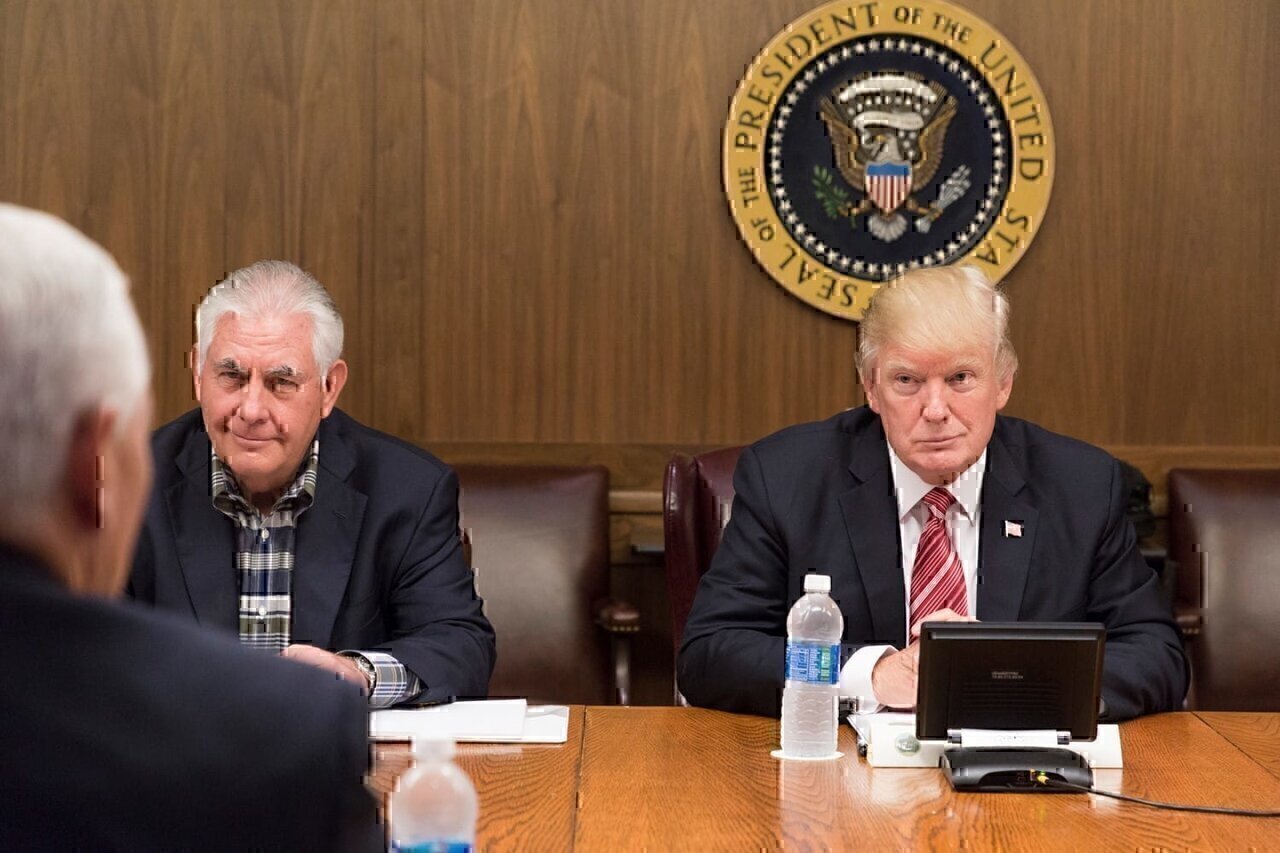
Ahead of a luncheon with the Trump-Kennedy Center board, Trump seated Wiles to his immediate left, an unusual placement for a staffer at a public event. At the briefing, he introduced her as an “amazing fighter” and urged that her prognosis remains excellent, while Wiles replied briefly, “Thank you, Mr. President.”
Wiles told The New York Times that she plans to begin a treatment course in the Washington, D.C. area that could span several weeks. In a statement to the newspaper, she noted a broader public-health statistic that about one in eight American women will be diagnosed with breast cancer, and she said she is joining the effort to serve her community and the country.
She became White House chief of staff at the outset of Trump’s second term, appointed soon after his 2024 electoral victory. Her previous role in the campaign included serving as a joint campaign chair, a position many observers credit with contributing to the victory.
The health of a sitting president’s top aides matters beyond Korea because the White House chief of staff coordinates daily operations, political strategy, and communications across the executive branch. A prolonged health challenge for such a senior figure can affect scheduling, staff dynamics, and public messaging during a critical period of governance.
For U.S. readers, the case highlights how personal health intersects with national leadership, the role of women in high-level political positions, and the ways the executive branch communicates about sensitive health issues. It also underscores the close-knit nature of Trump’s inner circle and the emphasis on continuity and resilience in the administration’s public narrative.