Iran's Supreme Leader rejects ceasefire proposal, vows hardline stance toward US and Israel.
Iran’s Supreme Leader Ayatollah Ali Khamenei is reported to have rejected a ceasefire proposal delivered through intermediaries from two third countries, according to major foreign-news outlets on Thursday. An unnamed senior official said the leader refused the truce.
The official said Khamenei’s stance on retaliation toward the United States and Israel remains “very hardline and firm” at a foreign-policy meeting, though it has not been confirmed whether he attended the gathering.
The official quoted the leader as saying, “The top leader believes that until the United States and Israel kneel, acknowledge defeat, and pay compensation, there is no chance to talk about peace.”
Iran has long signaled it would press its campaign to its end and has tied any ceasefire to apologies and reparations from the United States and Israel, the official indicated. Iran has indicated its resolve to continue resisting through multiple channels as the war has unfolded.
The report notes that, in the lead-up to this, Tehran has repeatedly stressed its determination to fight on, signaling that the war would proceed despite external diplomacy.
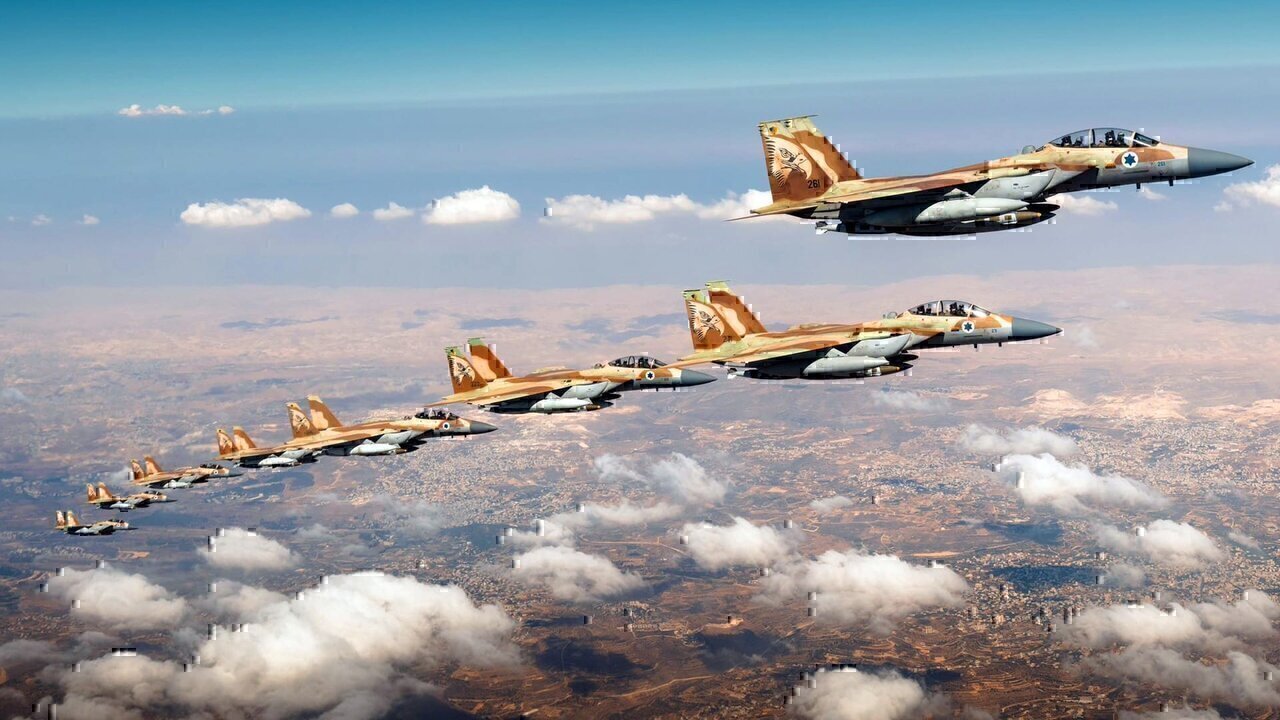
Separately, U.S. President Donald Trump has publicly suggested the war would end soon, while noting the mission would take longer to complete. The report adds that on the 14th, the Trump administration reportedly rejected diplomatic outreach attempts by Middle East allies aimed at ending the conflict.
Why this matters for the United States: the dispute underscores the risk of a protracted confrontation involving Iran, the United States, and Israel, with potential implications for regional security, alliance politics in the Middle East, and global markets and energy security depending on how the conflict evolves. The reliance on intermediaries for diplomacy signals a continued hurdle for direct negotiations and for U.S. policymakers planning to manage alliances and deterrence in a volatile corridor of the world. Context for non-Korean readers includes Iran’s political system, the role of the Supreme Leader, and how indirect diplomacy has factored into past and present regional crises.