South Korea’s President Attends Police Commissioning Ceremony for 153 Recruits
South Korea’s president, Lee Jae-myung, attended a joint commission ceremony for new police officers on the 17th at Asan Police University in Chungcheongnam-do, accompanied by First Lady Kim Hye-kyung. The event took place under the slogan “A bold leap toward becoming a world-class safety nation.”
The president and his wife wore blue-toned formal outfits that echoed police uniforms, a ceremonial choice intended to convey respect and celebration for the new recruits.
During the ceremony, Lee presented certificates and medals to high-performing officers and handed out rank insignia to the ceremony’s representatives, highlighting the formal transfer of duties and recognition of achievement.
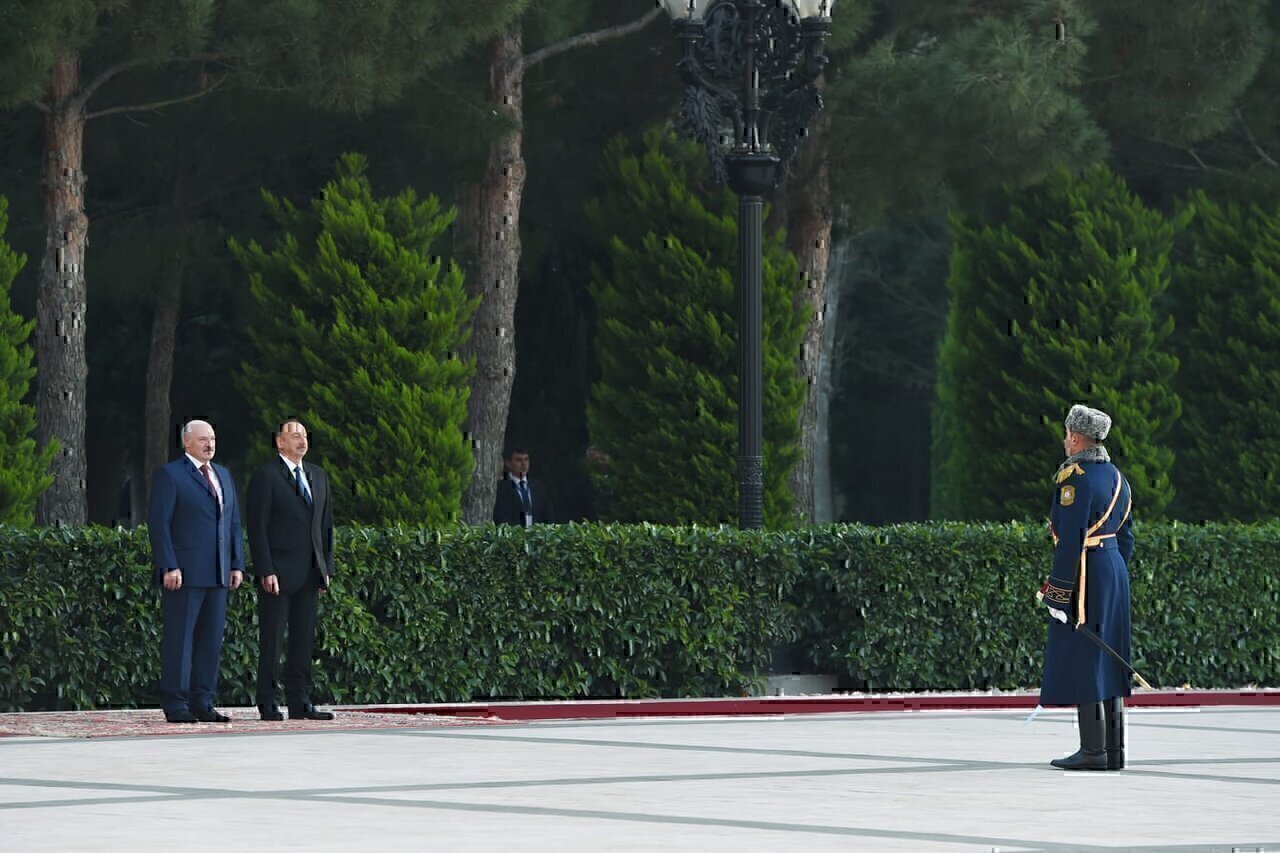
One recruit shouted a vow during a handshake with the president: “I will be a police you can trust and rely on.” The moment underscored the personal commitment many officers expressed publicly at the event.
In the closing moments, the new officers gathered for a commemorative photo and performed the traditional cap-toss ritual, a ceremonial gesture captured in smiles and applause from attendees, including the president and first lady.
The class of new officers totals 153: 93 from the 42nd class of Police University students, 50 from the 74th lieutenant (경위) open-recruitment cohort, and 10 lawyers recruited through a separate career-competitive track.
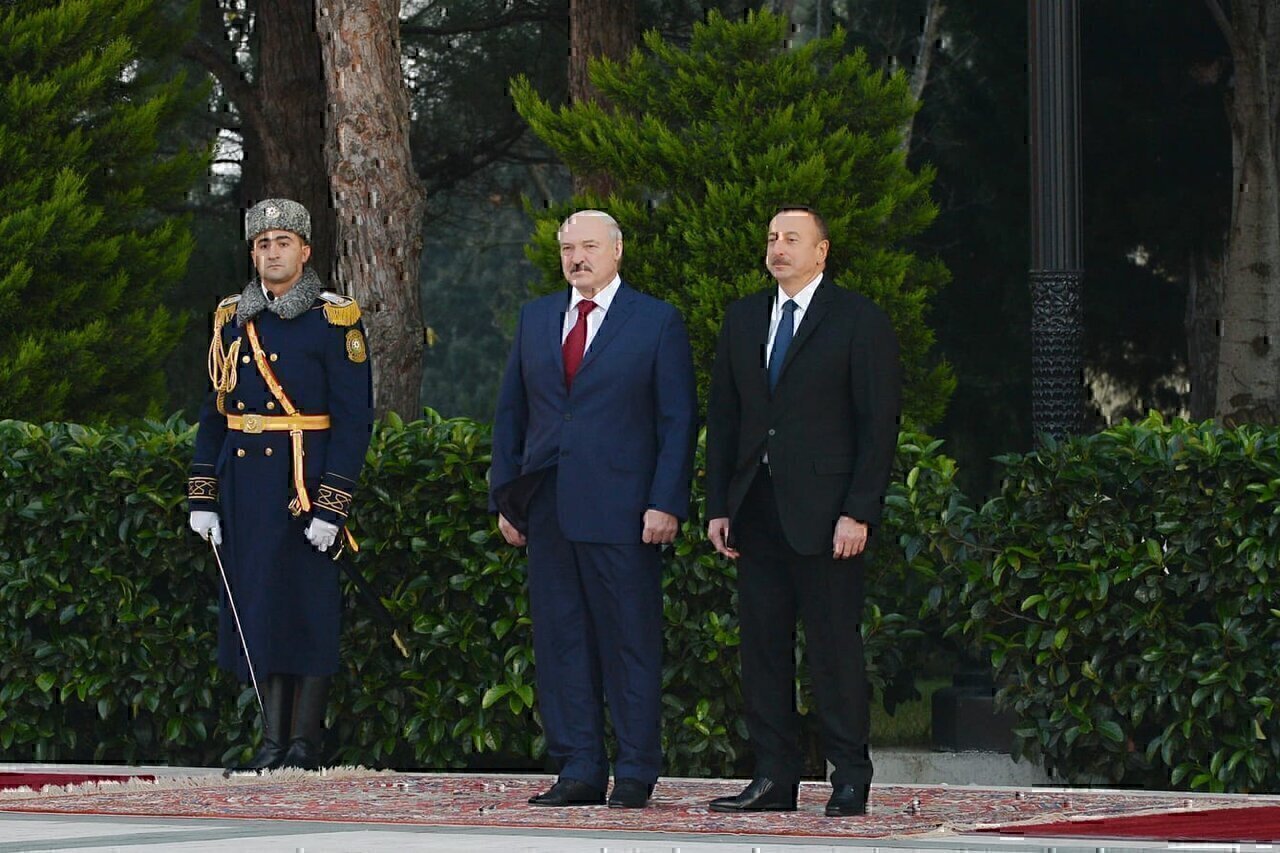
The ceremony took place at Asan Police University, a major training facility for the Korean National Police Agency (KNPA). The mix of academy graduates and professionals entering via open recruitment highlights Korea’s multi-channel approach to expanding and professionalizing its police ranks.
Why this matters beyond Korea: the event signals a continued emphasis on police professionalism and modernization in a key U.S. ally with which Washington maintains a broad security partnership. Korea’s focus on diversifying recruitment and reinforcing public-safety capabilities can affect regional security dynamics, potential future cooperation in training and technology transfer, and the execution of crisis-response and counterterrorism efforts in the Indo-Pacific. It also reflects how Korea seeks to balance civil oversight with rapid, capable policing in a technologically advanced society.
For U.S. readers, the ceremony offers context on Korea’s internal security priorities, which intersect with the broader U.S.-ROK alliance on regional stability, supply chains, and technology-sharing in public safety and forensics. Asan is located in South Chungcheong Province, about an hour or more from major hubs near Seoul, illustrating the nationwide reach of Korea’s policing reforms. Photo credit: Yonhap News Agency.