Israel claims Tehran strike killed Ali Larijani, Iran's former SNSC secretary
Israel’s military announced that it carried out a precision strike in Tehran that killed Ali Larijani, a longtime figure among Iran’s ruling circles who had served as secretary of the Supreme National Security Council (SNSC). Iran’s government had not issued an official statement on the operation as of now.
Larijani has been regarded as one of Iran’s most influential policymakers. He previously acted as the Supreme Leader’s trusted proxy and, following the outbreak of U.S.–Iran hostilities last month, was named one of three acting members of an interim leadership council responsible for guiding the selection of a new Supreme Leader.
The Israeli release framed the strike as targeting Iran’s top security leadership, and it also claimed the death of Gholamreza Soleimani, described as the commander of the Basij militia under the Islamic Revolutionary Guard Corps (IRGC), in the same attack. Iran has not independently confirmed these claims.
In the days after the fighting began, Larijani issued messages that were seen as hawkish, reinforcing his reputation for a hardline stance within Iran’s political landscape.
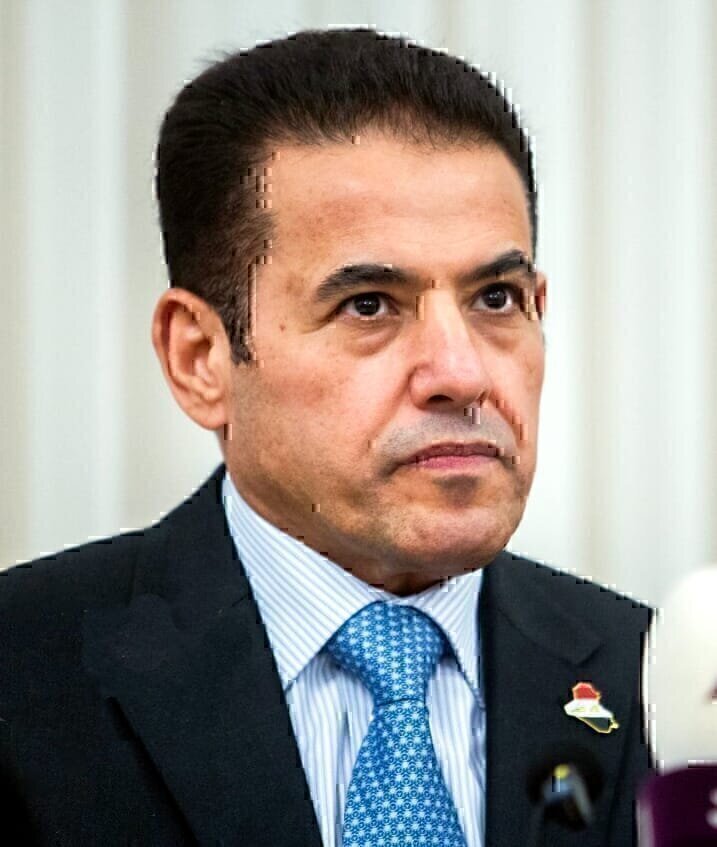
The New York Times reported, citing interviews with Iranian insiders, that Larijani’s leanings were closer to the moderate spectrum. The report said he, along with another figure described as a moderate, opposed moving ahead with electing a new Supreme Leader and favored pursuing a course that could improve relations with the United States.
For broader context, the SNSC is Iran’s top security coordination body, shaping foreign and defense policy. Larijani’s influence grew through his role as SNSC secretary and his earlier tenure as speaker of Iran’s parliament, the Majlis, which positioned him at the intersection of Iran’s political, military, and security establishments.
Why this matters to U.S. readers: any shift in Iran’s leadership dynamics or in security policy can influence Tehran’s approach to sanctions talks, nuclear diplomacy, and regional security calculations that affect U.S. interests in the Middle East. Tensions near Iran’s borders and in the Persian Gulf can impact global energy markets and supply chains, with potential spillovers to American consumers and businesses. The reported dispute over how Iran might navigate U.S. engagement versus a hardline stance also matters for policymakers assessing risk, deterrence, and the prospects for diplomacy in a volatile region.