South Korea Forms Central-Local Consultative Body to Regionalize Healthcare
South Korea’s Ministry of Health and Welfare has launched a central-local consultative body to reform the country’s healthcare system away from a Seoul-centric model. The initiative aims to build a regionally complete healthcare framework with participation from the central government, provincial health authorities, and national university hospitals.
The first meeting, held on the 17th and chaired by the ministry’s second vice minister, gathered heads of health ministries from 17 provinces and leaders from regional “regionally responsible medical institutions.” The group is described as the first official mechanism for central and local authorities to jointly discuss regional essential healthcare issues.
The consultative body will operate on a provisional basis until March 2027, ahead of the planned implementation of the Regional Essential Healthcare Act. It will oversee the design of essential healthcare projects, the drafting of subordinate statutes, and the formation of regional essential healthcare committees. After 2027, responsibilities are expected to shift to a central essential healthcare policy body and to regional and provincial statutory bodies.
A cornerstone of the plan is a five-axis, three-special-region approach to regionalize care. The government intends a polycentric system built around five megaregions, with Gangwon, Jeollabuk-do (Jeonbuk), and Jeju Special Self-Governing Province as anchor areas. Separate regional consultative bodies will be established to enhance local coordination.
Operations will be more bottom-up than before. The Health Ministry will set broad directions, while provinces and regional “regionally responsible medical institutions” will co-design and implement programs. Regions will develop investment plans that reflect gaps in emergency care, obstetrics, and pediatrics, with the government providing coordination and support.
Seven regions — Seoul, Daegu, Gyeonggi, Gangwon, Chungnam, Gyeongbuk, and Jeju — presented their gaps and proposed investments during the meeting. Participants agreed that joint planning between regional universities’ medical centers and local governments is necessary to reduce disparities.
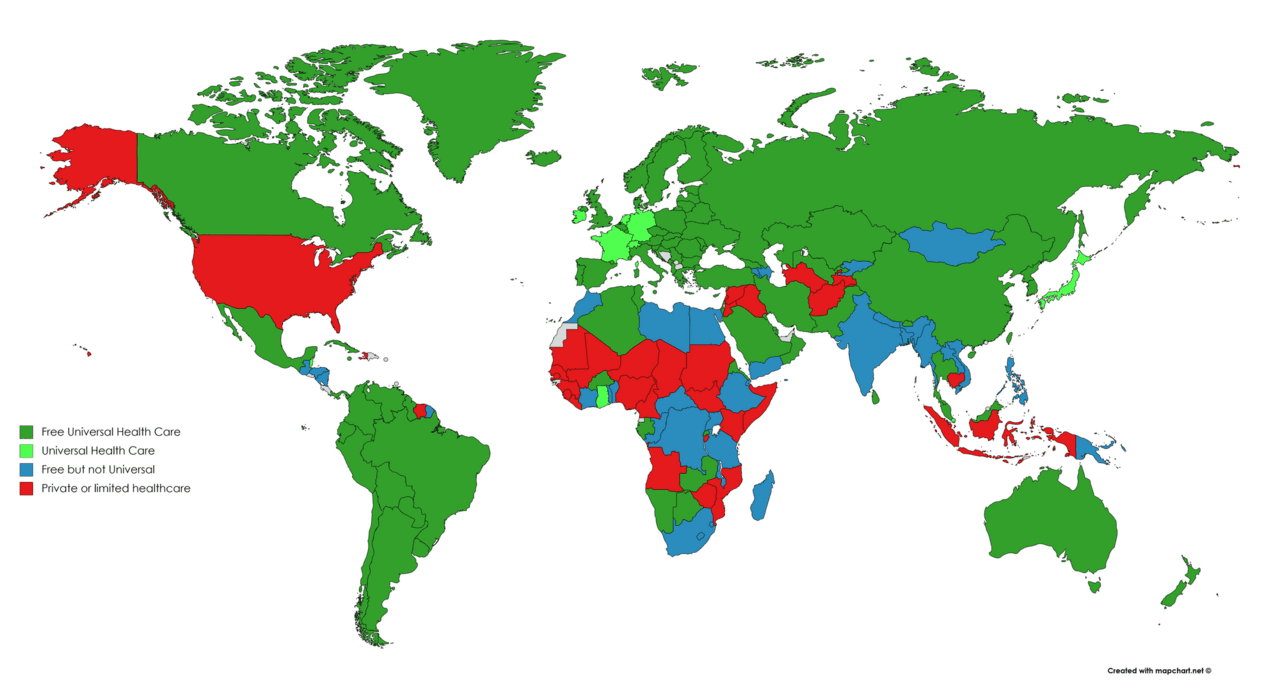
The government’s stated aim is a locally deliverable, regionally self-sufficient medical system that reduces the need for inter-regional transfers in emergencies and for severe cases, while ensuring stable essential services across regions.
Officials emphasised that residents should be able to access necessary medical care in emergencies wherever they live, and that policy should be closer to non-capital regions. With roughly a year remaining before the law takes effect, they pledged to incorporate frontline input into the system’s design.
For U.S. readers, the development matters beyond Korea because it signals a significant shift toward regionalization of healthcare in a major advanced economy. The approach could influence how Korea partners with international medical institutions and suppliers, shape regional demand for medical devices and pharmaceuticals, and affect cross-border health initiatives, digital health adoption, and crisis response planning. As Korea expands regional capacity, it may offer lessons for balancing urban and rural healthcare, as well as opportunities for collaboration with U.S. healthcare companies and researchers.