South Korea’s K-Pop Demon Hunters Wins Oscars, Spurs Shin Ramyun in North America
At the 98th Academy Awards in Los Angeles, Netflix’s Korean-origin animated series K-Pop Demon Hunters, co-directed by Chris Appelhans and Megi Kang, drew attention after a scene showing Appelhans eating Shin Ramyun was captured at the Dolby Theatre.
A photo posted by Appelhans’s wife, Morin Goo, on social media shows the director sitting in the Dolby Theatre with wooden chopsticks, eating Shin Ramyun noodles straight from the bag, alongside a shot of the Oscar invitation and Shin Ramyun packaging.
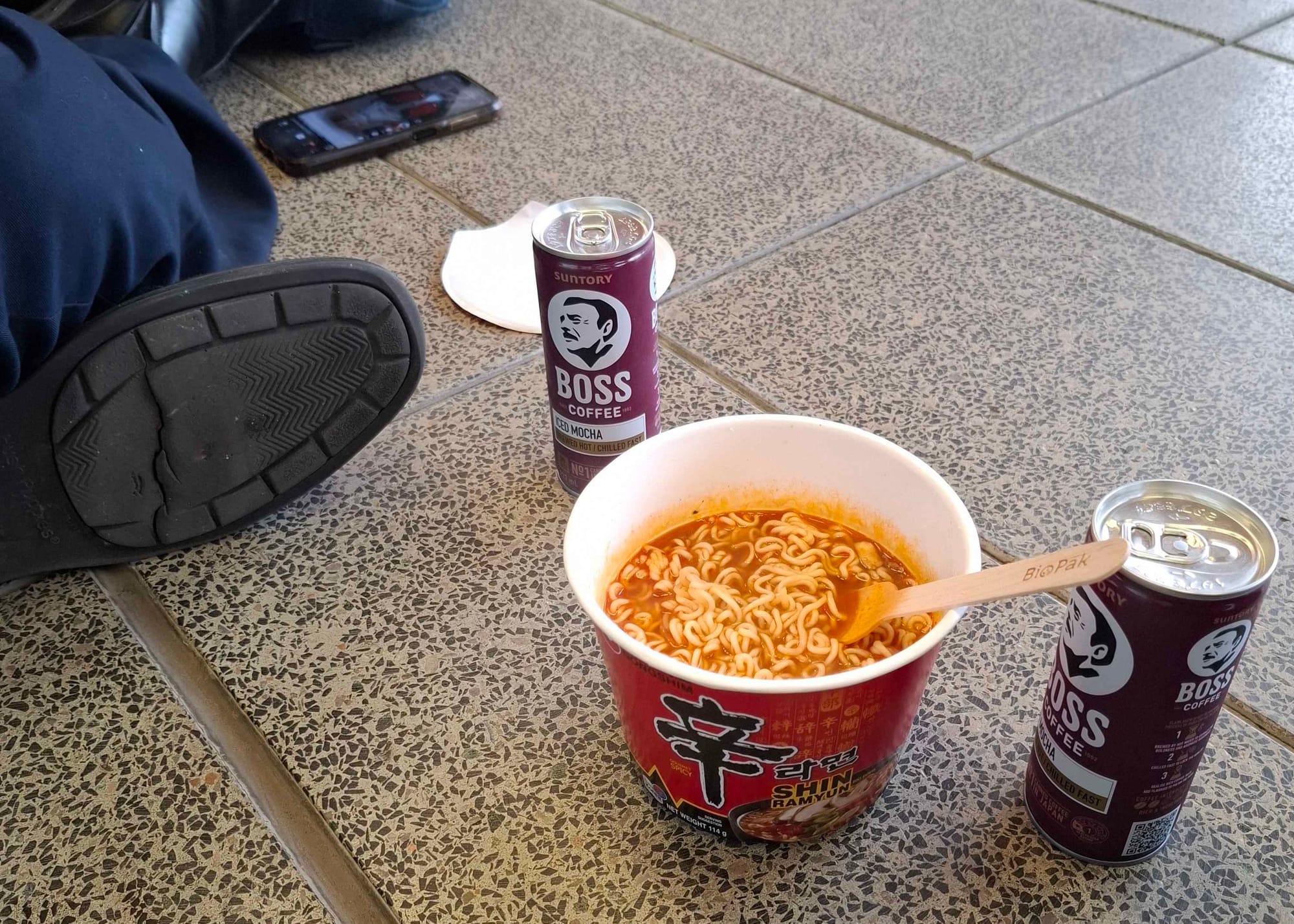
Nongshim, the maker of Shin Ramyun, is expanding marketing in North America, leveraging the series’ popularity to push its noodles in the regional market. As part of that effort, Shin Ramyun packaging featuring the animated group Huntrix—Lumi, Mira, and Joy—has been released for North American consumers.
K-Pop Demon Hunters, created and directed by Appelhans and Kang, won Best Animated Feature and Best Original Song at the Oscars held in Los Angeles. The wins mark a notable reception for Korean-led animation on a global stage.
The episode matters beyond Korea because it illustrates how cross-border IP from Korea—via streaming platforms like Netflix—can influence consumer brands and marketing strategies in the United States. It also highlights how animation and pop culture collaborations can translate into real-world products and promotions.
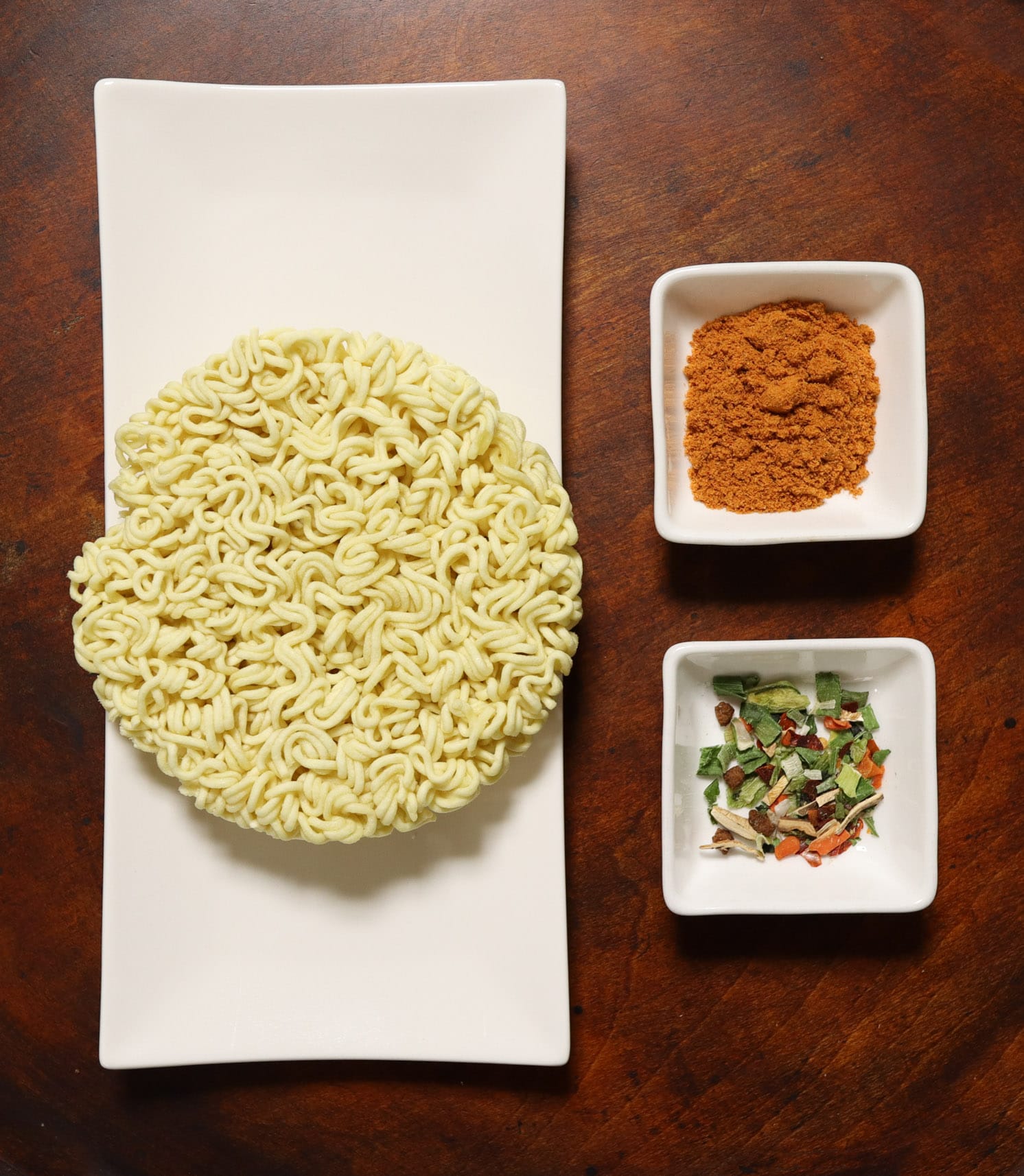
For U.S. readers, the development signals a broader pattern: Korean content is driving cross‑category opportunities, from entertainment accolades to retail partnerships and product tie-ins, reinforcing the influence of Korean media on American culture and consumer markets.
This trend complements ongoing U.S.-Korea exchange in entertainment and technology, as platforms like Netflix continue to serve as conduits for Korean animation to reach global audiences, potentially shaping future collaborations, licensing, and marketing strategies across markets.