Israel expands ground operations in Lebanon, widening regional conflict and U.S. security concerns.
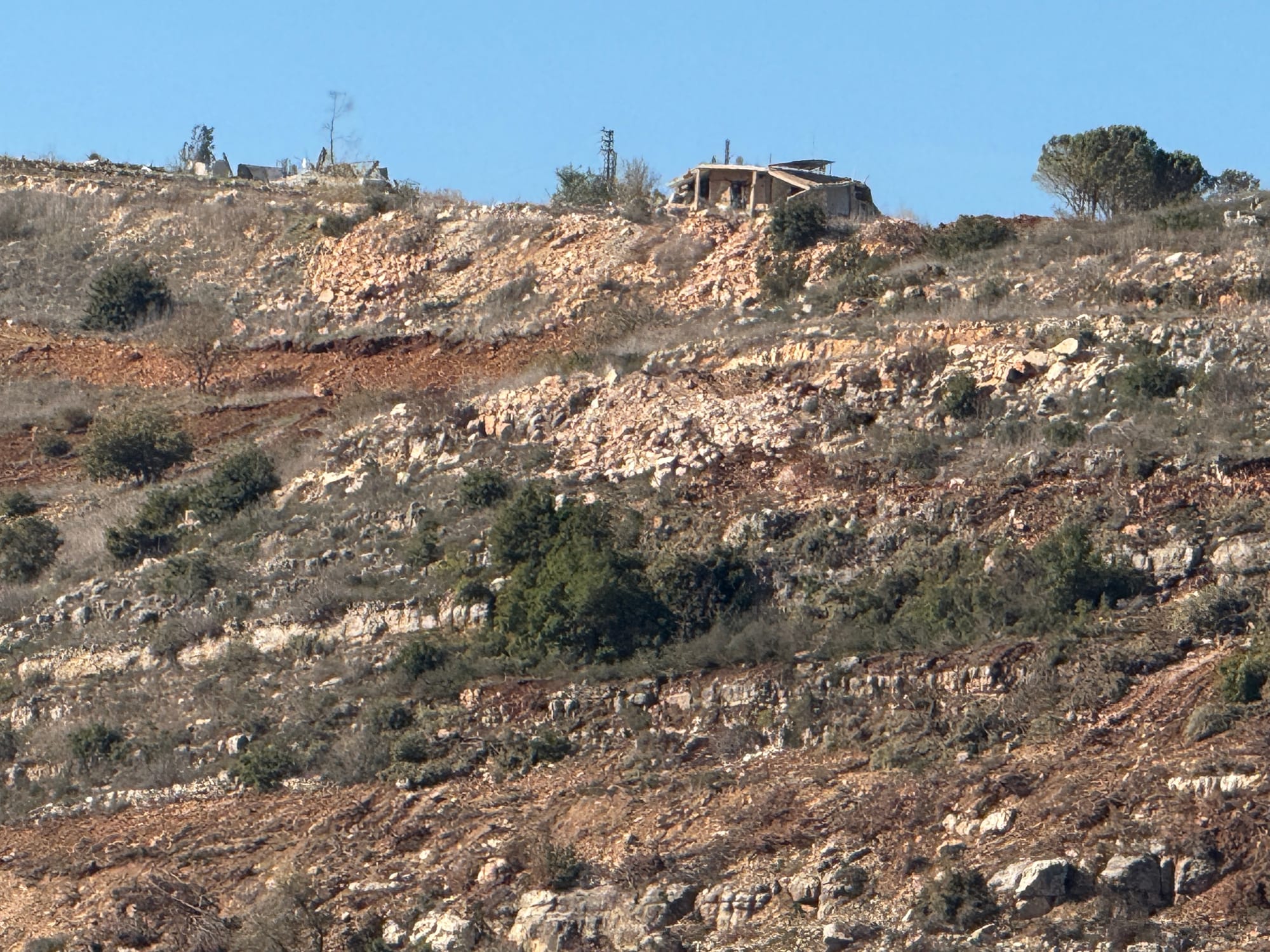
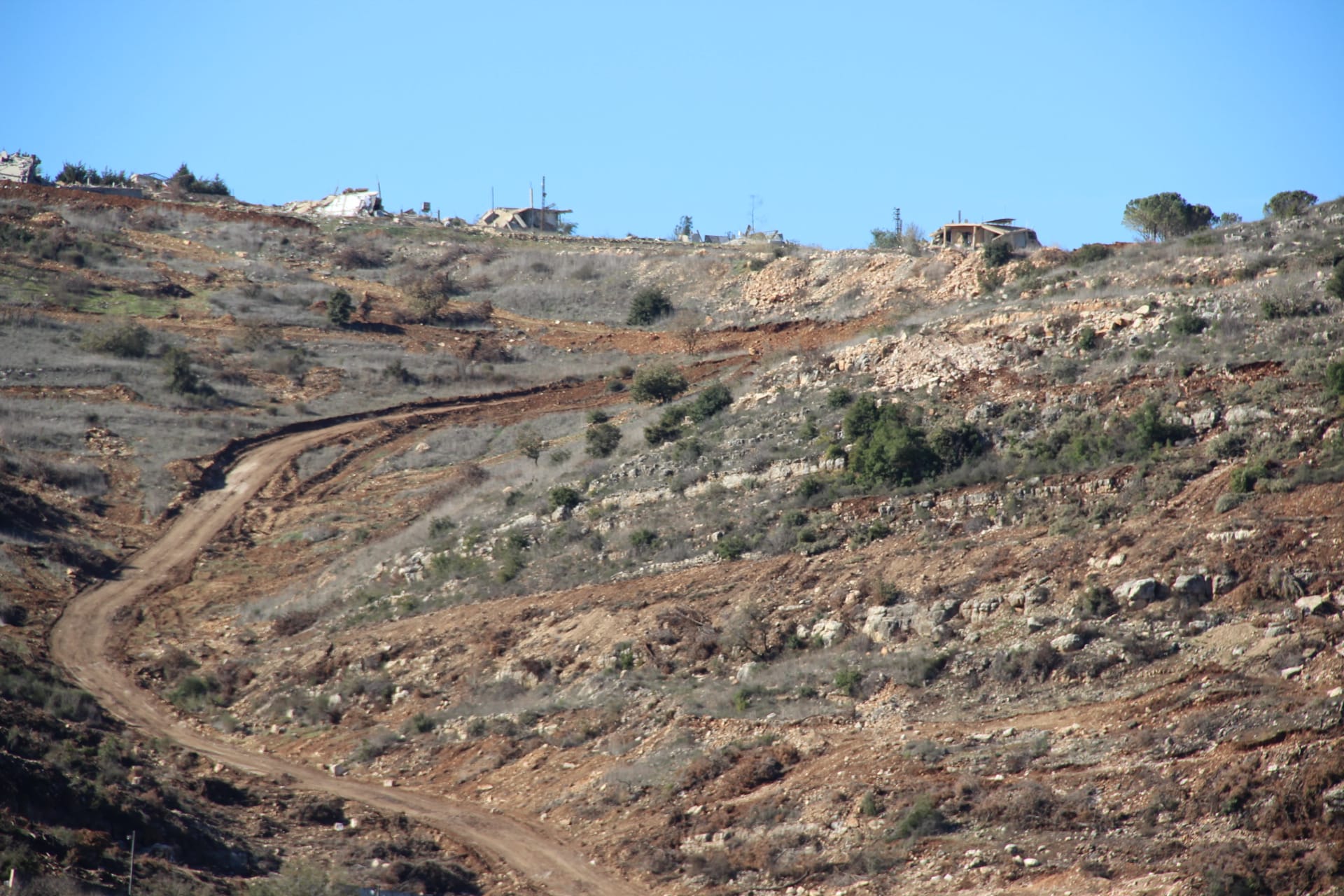
Israel expanded its ground operations last week along the southern Lebanon border, announcing a limited push into Hezbollah strongholds in the Ki amit region of southern Lebanon. The Israeli military said the new ground activity targeted Hezbollah positions after days of heavy airstrikes in the area. This marks the first publicly disclosed ground maneuver in the current conflict between Israel and Hezbollah in the Lebanon theater, according to international wires.
Analysts cited by Western outlets said the move broadens the war on multiple fronts, potentially prolonging hostilities. The Wall Street Journal noted that opening a ground front in Lebanon effectively adds another axis to Israel’s military campaign in the region, raising questions about the duration of the conflict and the regional spillover.
At the same time, Israel pressed air campaigns against Tehran and Beirut’s Hezbollah infrastructure. The Israeli military said it conducted extensive airstrikes against Iran-based facilities and, separately, against Hezbollah targets in Beirut, signaling intensified pressure on both Iran and its regional proxies.
Iran and allied militant groups responded with strikes aimed at U.S. assets and oil facilities across the region. Iraqi authorities reported a volley of rockets and drones targeting the U.S. Embassy compound in Baghdad in the early hours, with some attacks intercepted by air defenses before reaching the Green Zone. Reports described additional drone activity near Baghdad’s diplomatic district.
In central Baghdad, Iraqi state media and other outlets described a residential airstrike that killed multiple people and injured others. One agency reported at least six dead, including two leaders of Iran-aligned Iraqi factions and a senior Iranian adviser, with four wounded; other outlets cited four fatalities. The conflicting tallies reflected the fluid and chaotic nature of the overnight strikes.
Meanwhile, the Hormuz maritime axis remained tense as an oil tanker near Oman was struck by an unidentified projectile, according to the UK Maritime Trade Operations agency. There were no reported injuries among the crew.
In the United Arab Emirates, a drone attack caused a fire at an oil facility in the Fujairah area. UAE authorities briefly closed the national airspace for about two hours due to ongoing threats, before reopening as aviation operations returned to normal. Separately, a ballistic-missile fragment reportedly caused the death of a Pakistani national in Abu Dhabi, underscoring the broader security risks tied to the regional confrontation.
Why this matters for the United States and global audiences: the conflict is increasingly impacting energy security and global markets. Attacks on oil infrastructure and disruptions to shipping lanes in or near the Strait of Hormuz can influence crude prices and supply chains that feed into U.S. gasoline prices and energy policy. The United States maintains a significant security and diplomatic footprint in the region, including embassies and bases in Iraq and the UAE, making escalation a direct concern for U.S. national security and regional stability. The episodes also highlight the importance of missile and drone defense, the resilience of Gulf states’ oil ecosystems, and the sensitivity of alliances and sanctions policy as Washington weighs responses and potential diplomatic channels.