Incheon Customs detains three Vietnamese nationals in MDMA precursor case, seeking domestic production
South Korea’s customs service at Incheon Airport says it has detained three Vietnamese nationals on drug-forfeiture charges for smuggling MDMA precursors into Korea and allegedly producing the drug domestically. The three suspects were sent to the Incheon District Prosecutors’ Office for detention.
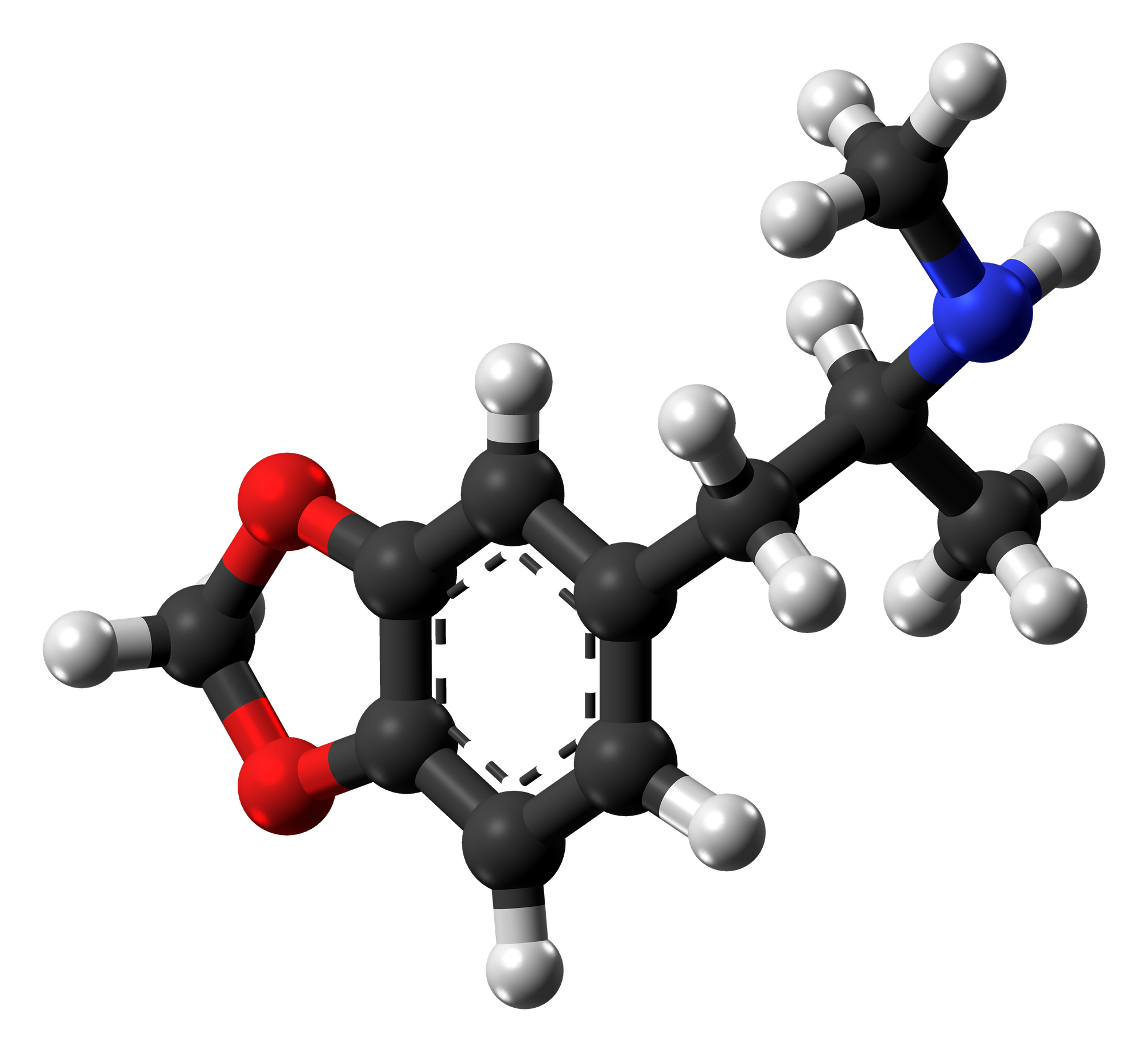
The authorities say the group smuggled safrole and MDP-2-P glycidate, precursors used to manufacture MDMA, by air cargo from Vietnam between July and December last year. A total of 5.4 kilograms of precursor materials were seized, a quantity officials say could yield roughly 29,430 MDMA doses.
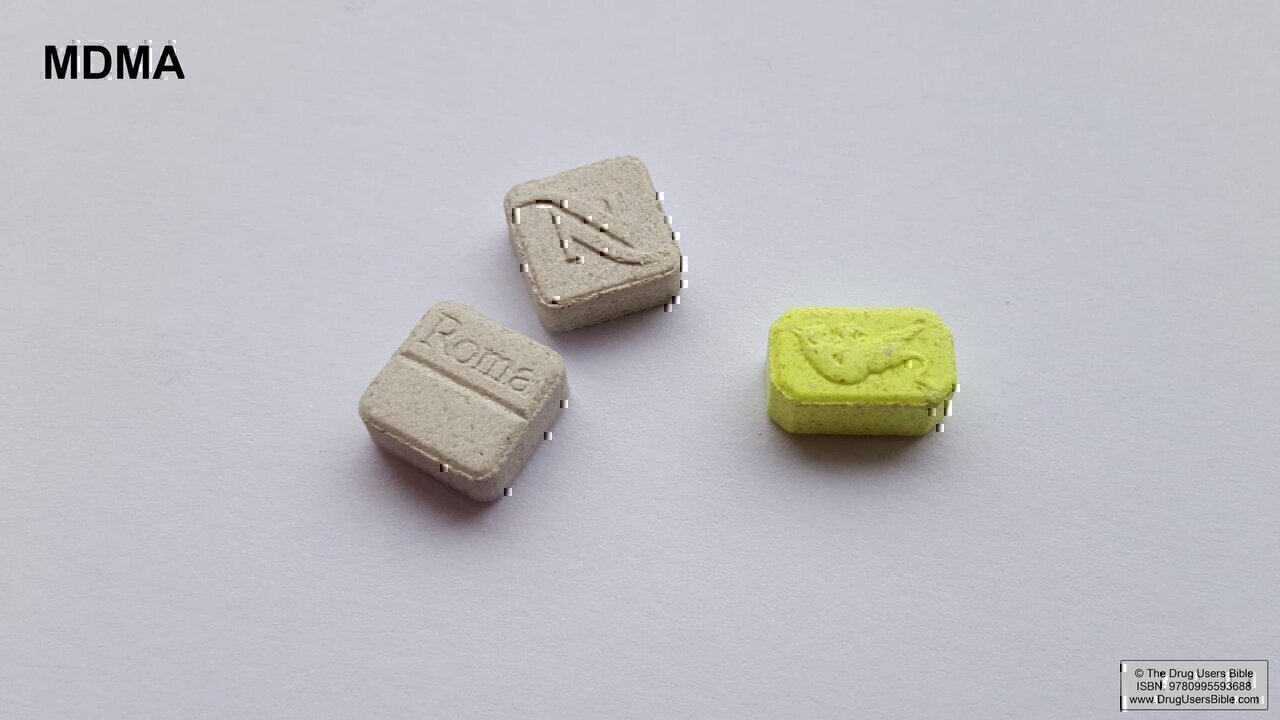
The investigation suggests the suspects set up a clandestine operation in a villa in Gyeongsan, North Gyeongsang Province, installing tablet presses and other equipment to manufacture MDMA. One suspect, referred to as A, reportedly used ChatGPT and online searches to learn MDMA synthesis and communicated with a local supplier in Vietnam via the messenger app Zalo.
Officials say the plan did not come to fruition for distribution because the crackdown interrupted the operation during the early testing phase. The case is being treated as an escalated effort to move beyond merely smuggling precursors to producing and dispersing MDMA domestically.
In a separate case tied to last year, customs authorities say they intercepted 300 grams of marijuana hidden inside international Thai mail, employing a “controlled delivery” tactic that led to the arrest of a male suspect, B. During a vehicle search linked to that package, 527 grams of glycidide, another MDMA precursor, were found. Investigators traced phone numbers and delivery addresses to connect the shipments to the same network, leading to the identification of the manufacturing mastermind A and an accomplice C, B’s girlfriend, who were later turned over to prosecutors.
Park Heon, the head of Incheon Airport Customs, said this is the agency’s first case tracing the full chain from importing MDMA precursors to domestic manufacture and distribution. He noted that the method appears to be shifting toward producing MDMA locally after import, rather than solely moving finished drugs across borders.
For U.S. readers, the case underscores several cross-border drivers of the global MDMA market: illicit networks seek to secure chemical precursors from Southeast Asia, convert them into finished product domestically in other countries, and use international shipping routes and digital communications to coordinate operations. It also highlights the ongoing importance of precursor controls and multinational cooperation in disrupting supply chains that connect to markets in the United States and worldwide.