Iran's leadership under question as Mojtaba Khamenei remains unseen in public
Iran’s top leadership is once again in question as Mojtaba Khamenei—the son of Ayatollah Ali Khamenei and a leading hardliner—has not appeared publicly since the war with the United States and Israel began. State television has aired a public statement in his name, but there has been no video or audio; an anchor simply read the message.
The broader war, now entering its third week, began with U.S. and Israeli airstrikes on Iran. In this context, Mojtaba Khamenei has emerged as the de facto power center for many observers and hardline circles, though the official title of Supreme Leader remains associated with Ali Khamenei. Iranian authorities have insisted he is alive, but have provided no public appearance or direct statements from him.
U.S. President Donald Trump, in a NBC News interview on the 14th, said he was not certain that Mojtaba Khamenei was alive and noted that no one has shown publicly that he is living. He added there were reports that he might have been seriously injured, though those reports could not be confirmed. The remarks underscore how leadership visibility is shaping Western assessments of Iran’s posture in the conflict.
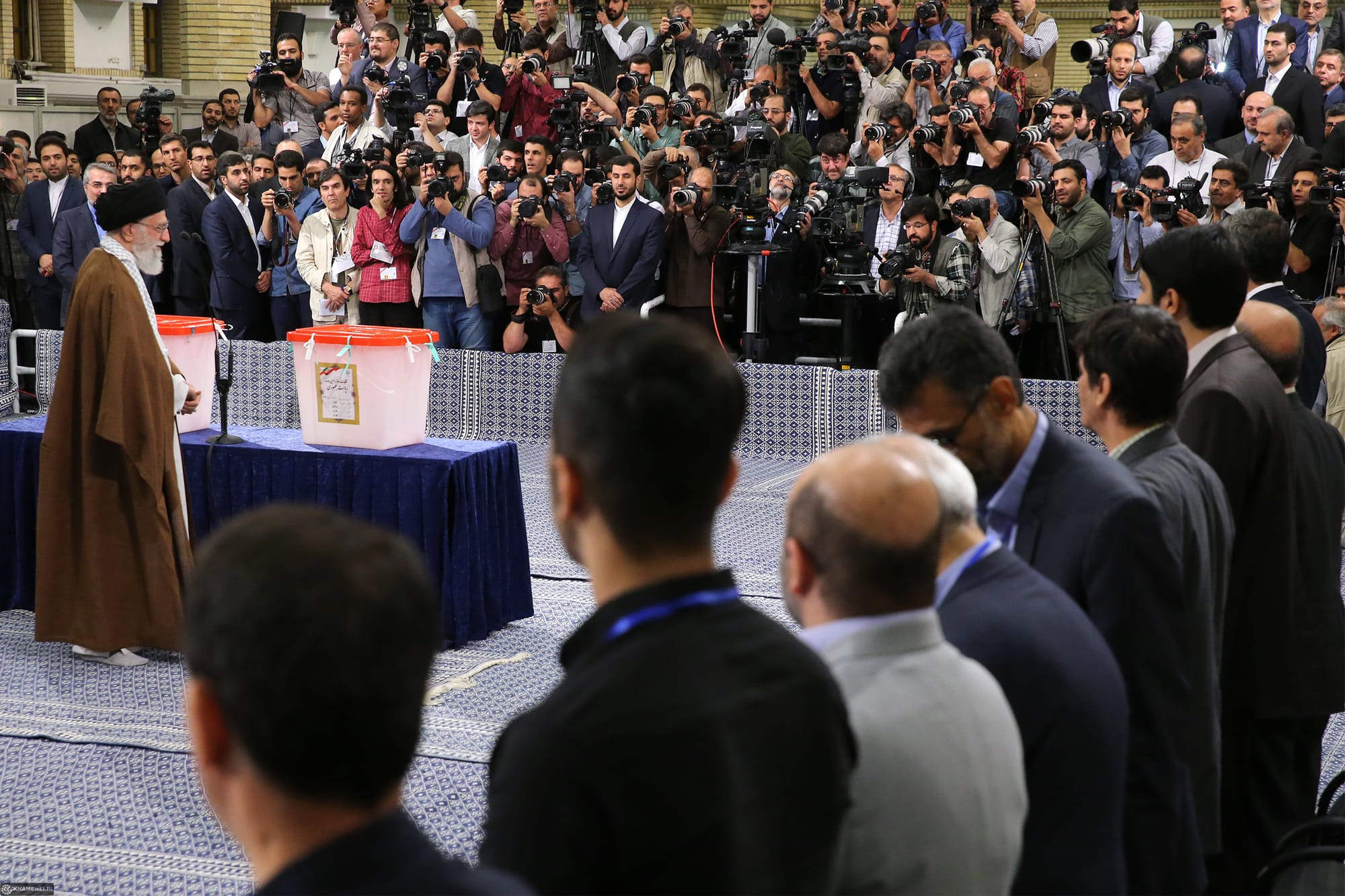
Israel has hinted at knowable details about Mojtaba’s whereabouts. An Israeli security official told the Daily Mail that they know where he is, though he did not disclose specifics. The claim illustrates the ongoing information-heavy aspect of the war and how both sides use messaging about leadership to influence perceptions.
Iran’s government has continued to assert Mojtaba’s survival while avoiding direct public appearance. A week ago, state television aired a message attributed to him, but again without any accompanying footage or audio. In the absence of visible proof, the international community has relied on a mix of official statements, media reports, and open-source analysis.
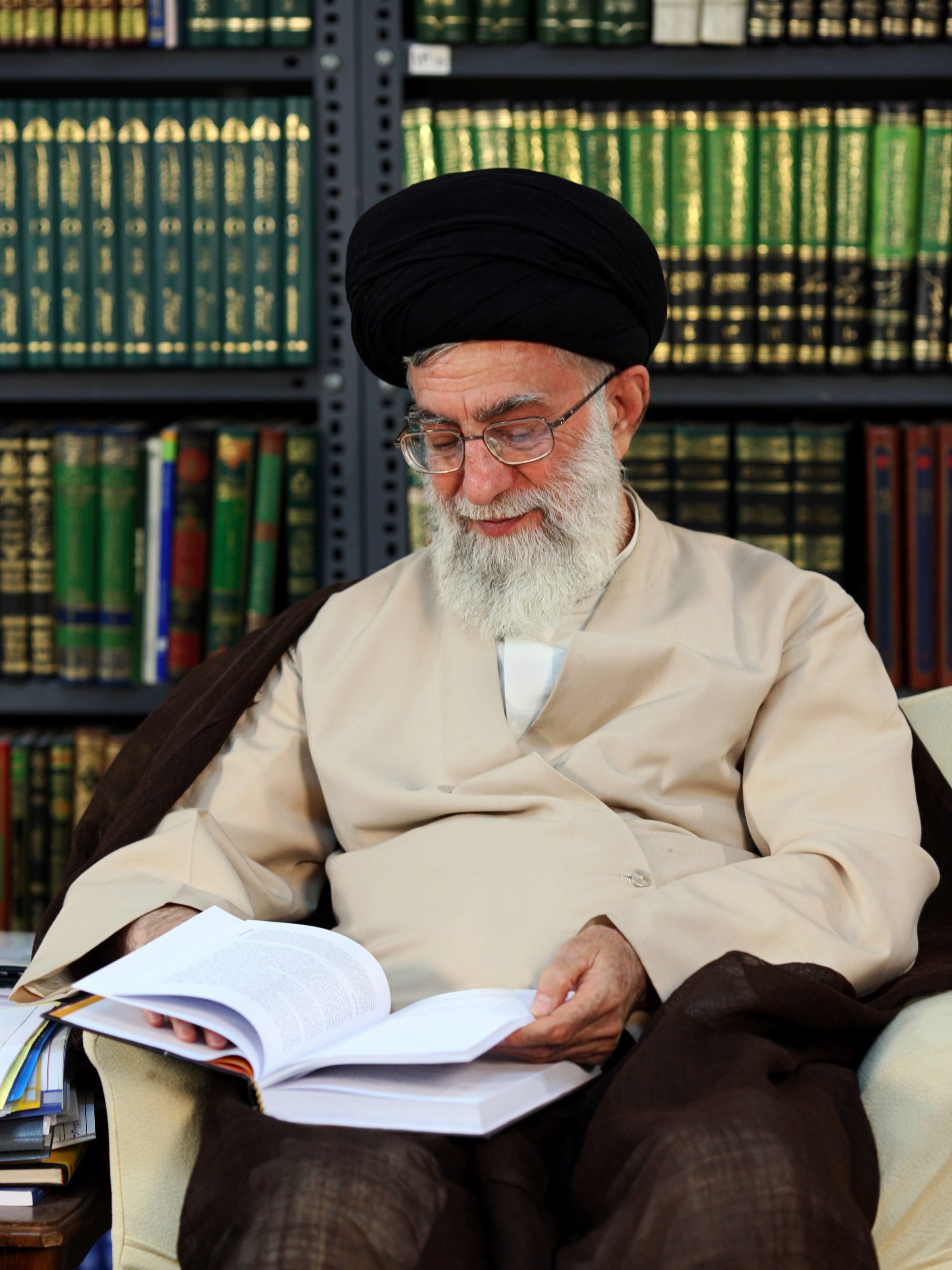
Unverified reports have circulated about Mojtaba being moved to Russia for medical treatment, with a Kuwaiti newspaper citing Iranian sources. Western outlets have not corroborated those claims. Such rumors are common in wartime information environments and are typically used to shape psychological and diplomatic dynamics, rather than to establish fact.
Analysts say the absence of a visible leader can complicate Iran’s command and control, potentially affecting strategic decisions in the near term. Security scholar Anthony Glees, from the University of Buckingham, notes that information operations and psychological warfare can influence internal and external perceptions and sow confusion within opposing leadership circles.
For U.S. readers, the question of Mojtaba Khamenei’s status matters beyond Iran. If the younger Khamenei maintains influence, it could affect Iran’s calculus on nuclear talks, its support for regional proxies, and responses to international pressure. The leadership uncertainty also carries implications for Middle East stability, energy markets, and the security commitments of U.S. allies in the region, all with potential spillovers into global markets and supply chains. As the war unfolds, the survivability and visibility of Iran’s leadership will remain a key variable shaping the conflict’s trajectory and its broader international impact.