IMO warns Strait of Hormuz escorts can't guarantee safety; risk to energy shipments
The head of the International Maritime Organization warned that naval escorts through the Strait of Hormuz cannot guarantee safety for ships, in an interview with the Financial Times. He said risk can be reduced by naval protection, but it is not a sustainable long-term solution.
The IMO official noted that even with escorts, security challenges persist, and port facilities in the region have been targeted, making access to some ports difficult. He warned that if the situation worsens, there could come a point when supplies like food, drinking water, and fuel run low.
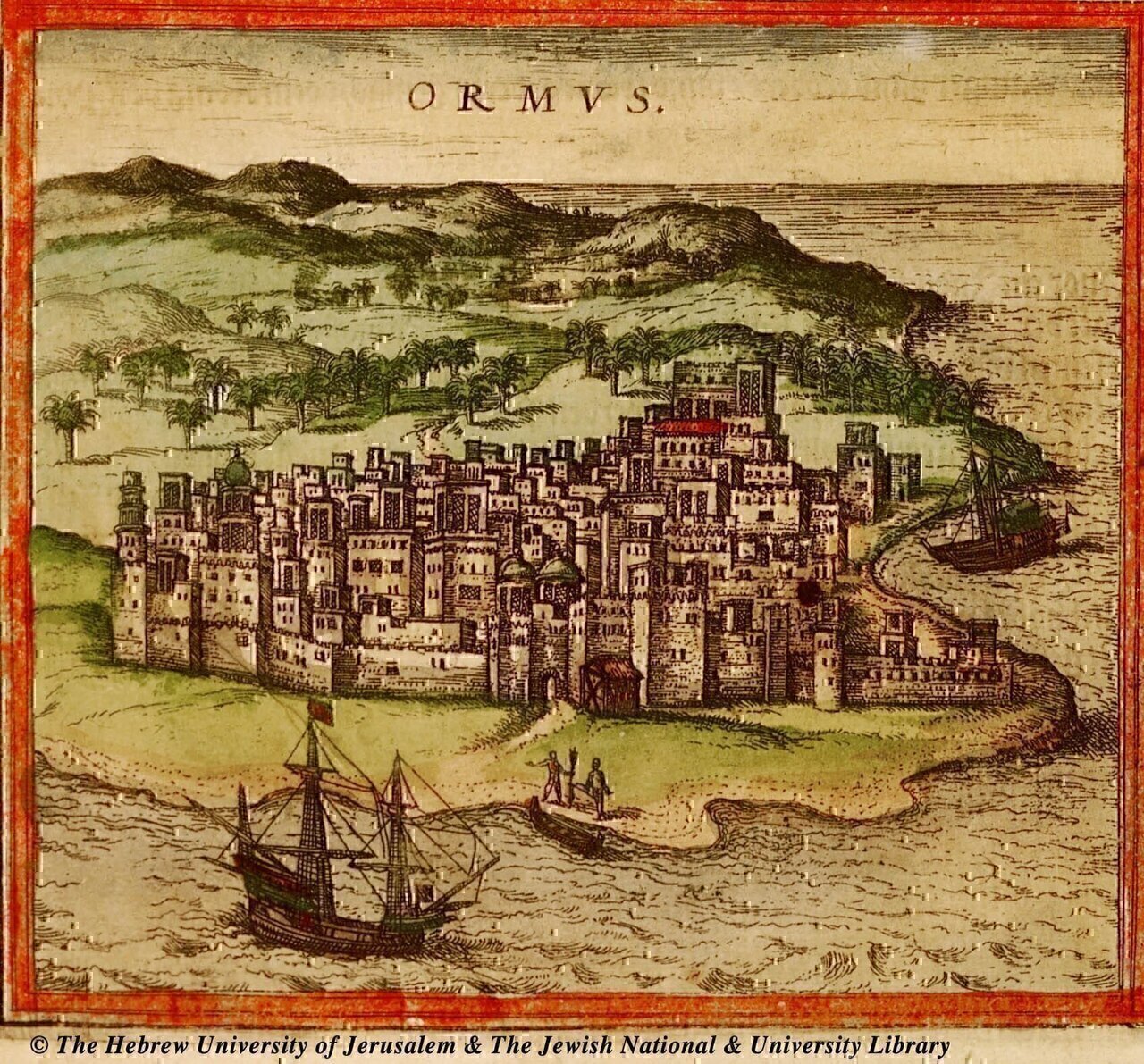
According to the IMO’s latest counts, only 47 ships passed through the Strait of Hormuz between the 2nd and the 14th of the month, underscoring how security concerns are damping traffic in one of the world’s busiest maritime corridors.
The organization announced a two-day special meeting for Gulf-area shipowners starting on the 17th to discuss operational risks tied to potential disruptions in Hormuz and how to navigate the threat of a blockade.
For U.S. readers, the issue matters beyond Korea because the Strait of Hormuz is a key global chokepoint through which a significant share of international energy shipments flows. Any disruption could affect energy prices, shipping insurance costs, and global supply chains, with spillover effects on markets and policy decisions in the United States.
The International Maritime Organization, headquartered in London, oversees maritime safety, security, and pollution prevention. The Hormuz situation also intersects with broader regional tensions involving Iran and its neighbors, and with the global maritime insurance market, which is sensitive to risk in the Gulf region.