Shinsegae, Reflection AI Sign San Francisco Pact to Build Korea's Largest AI Data Center
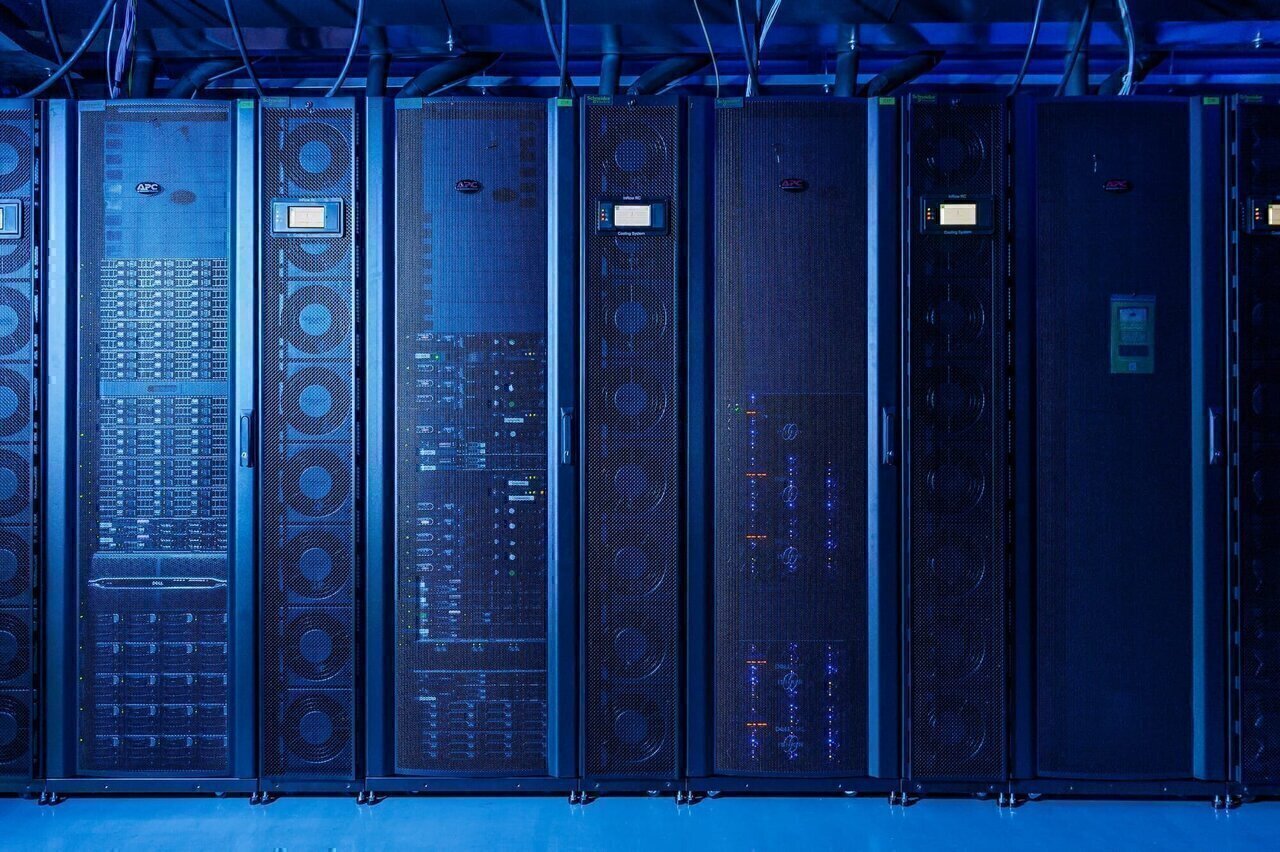
Shinsegae Group has teamed with Reflection AI to build Korea’s largest AI data center, signing a strategic partnership in San Francisco to develop a facility with a 250-megawatt power capacity. The project is billed as the largest AI data center either completed or planned in Korea and is described as the first case under the United States’ AI Export Program, which seeks to extend U.S.-developed AI infrastructure to allied nations. U.S. Commerce Secretary Gina Raimondo attended the signing, underscoring the importance the United States places on expanding global AI ecosystems.
The move is notable because it signals a traditional retailer shifting toward AI infrastructure and services. Shinsegae Group’s core businesses—department stores, hypermarkets, and online shopping—sit far from data-center ownership, yet the company has long operated an IT services arm and construction affiliate, Shinsegae I&C and Shinsegae Construction, that could support large-scale data-center development. Analysts say the initiative reflects a broader trend of non-platform players entering AI infrastructure to pursue new growth engines as offline and online retail markets mature.
However, the path to delivering a 250MW data center in Korea is fraught with challenges. Site selection, securing adequate power, and recruiting specialized talent are cited as key hurdles. Domestic analyses note tightening power-supply conditions and stricter permitting for large data centers since 2023, with the metropolitan region sometimes facing power-reserve margins below five percent. Local residents have also raised concerns about electromagnetic fields, noise, heat islands, and environmental impact, which can complicate approvals and construction timelines.
In Korea’s AI landscape, platform players and telecoms have largely driven infrastructure expansion. Naver and Kakao are building AI ecosystems and models, while SK Telecom and KT push data centers and cloud services. Shinsegae’s prospective entry through an AI data center could widen competition and reshape the industry’s balance, especially if the group develops “AI commerce” capabilities rooted in its vast consumer data.
Shinsegae’s data-center ambitions are closely tied to its consumer data assets across its retail network, including Shinsegae Department Store, Emart, and SSG.com. If AI tools can be integrated with these assets, the group could pursue personalized product recommendations, demand forecasting, and logistics optimization. Industry chatter also points to the possible spread of AI agent commerce—where AI agents automate ordering and delivery—potentially altering the competitive dynamics with open marketplaces and others that have already deployed AI agents. Shinsegae executives say efficiency gains and faster delivery could be realized through such AI applications in e-commerce.
But the domestic hurdles extend beyond construction. The industry notes that, even with approvals, large data-center projects can be delayed or halted due to grid constraints and environmental concerns. A sustained, multi-year timeline is likely, given the need to align land, power, workforce, and a base of paying corporate customers. With Korea’s AI data-center pipeline already crowded, observers suggest Shinsegae will need time to secure tenants and demonstrate a viable business case, even as the broader industry signals stronger AI investment this decade.
For U.S. readers, the Shinsegae project matters beyond Korea as an indicator of how AI infrastructure investments are widening from platforms and carriers to traditional retailers. The collaboration ties into a broader U.S. policy push to foster allied AI ecosystems, with potential implications for cross-border supply chains, data-sharing norms, and the pace of AI-enabled consumer services in global markets. The case also highlights how data-rich consumer businesses may become centers of gravity for next-generation AI applications, potentially shaping competition, collaboration, and regulation across North American and Asian markets.