Japan weighs possible SDF role near Strait of Hormuz amid U.S. security push
As the United States and Japan prepare for a summit in Washington on the 19th, Tokyo is weighing whether to deploy the Self-Defense Forces in the vicinity of the Hormuz Strait, where U.S. leaders have urged allies to boost maritime security. Government officials say the discussion is focused on what the law permits and what is practical, given competing security and legal considerations in Japan.
Prime Minister Sanae Takaichi told lawmakers on the upper house budget committee on the 16th that officials are issuing a range of directions to see what is possible within Japan’s legal framework. The review covers mine clearance, protection of vessels, support to foreign troops, and expanded intelligence activities, with a particular eye toward whether the Self-Defense Forces could be dispatched.
However, the prevailing assessment inside government circles is that the current legal framework does not readily allow a Self-Defense Forces deployment during active fighting. The analysis tends to exclude immediate dispatch for a battle in progress under the existing conditions described as requirements for collective self-defense or for backing the U.S. military in ways that would amount to an existential crisis or significant influence scenario.
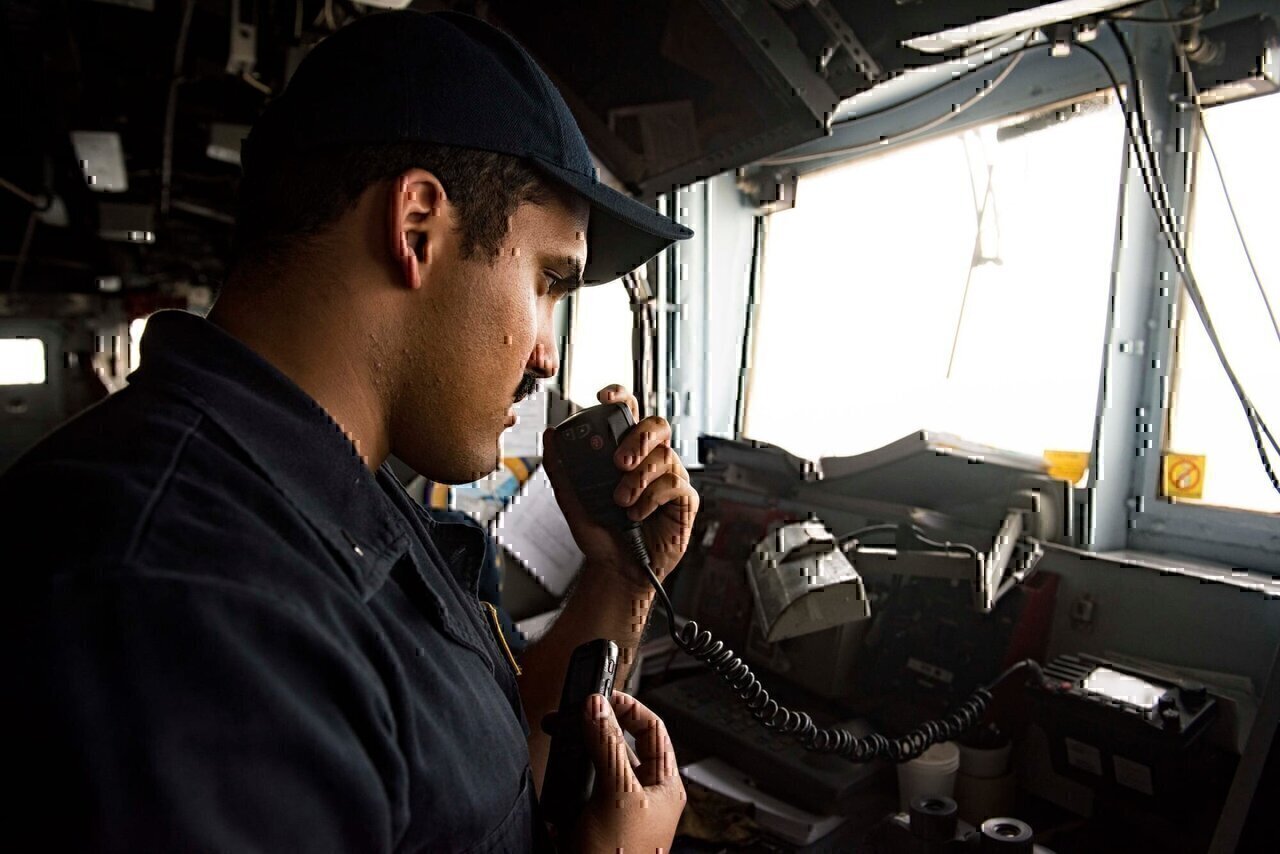
The Asahi Shimbun noted that sending SDF units directly into fighting zones would encounter numerous legal obstacles. In light of that, Tokyo appears to be stressing close coordination with the United States and other partners on policy options that could extend through the end of hostilities, rather than a rapid, in-theater deployment.
On the diplomatic front, Foreign Minister Motegi Tomoaki spoke with a U.S. colleague to stress the importance of safe navigation through the Hormuz Strait. Defense Minister Koizumi Shinjiro held talks with the U.S. defense secretary, underscoring alliance-level coordination on the issue ahead of the Trump administration’s push for allied ships to operate in the area.
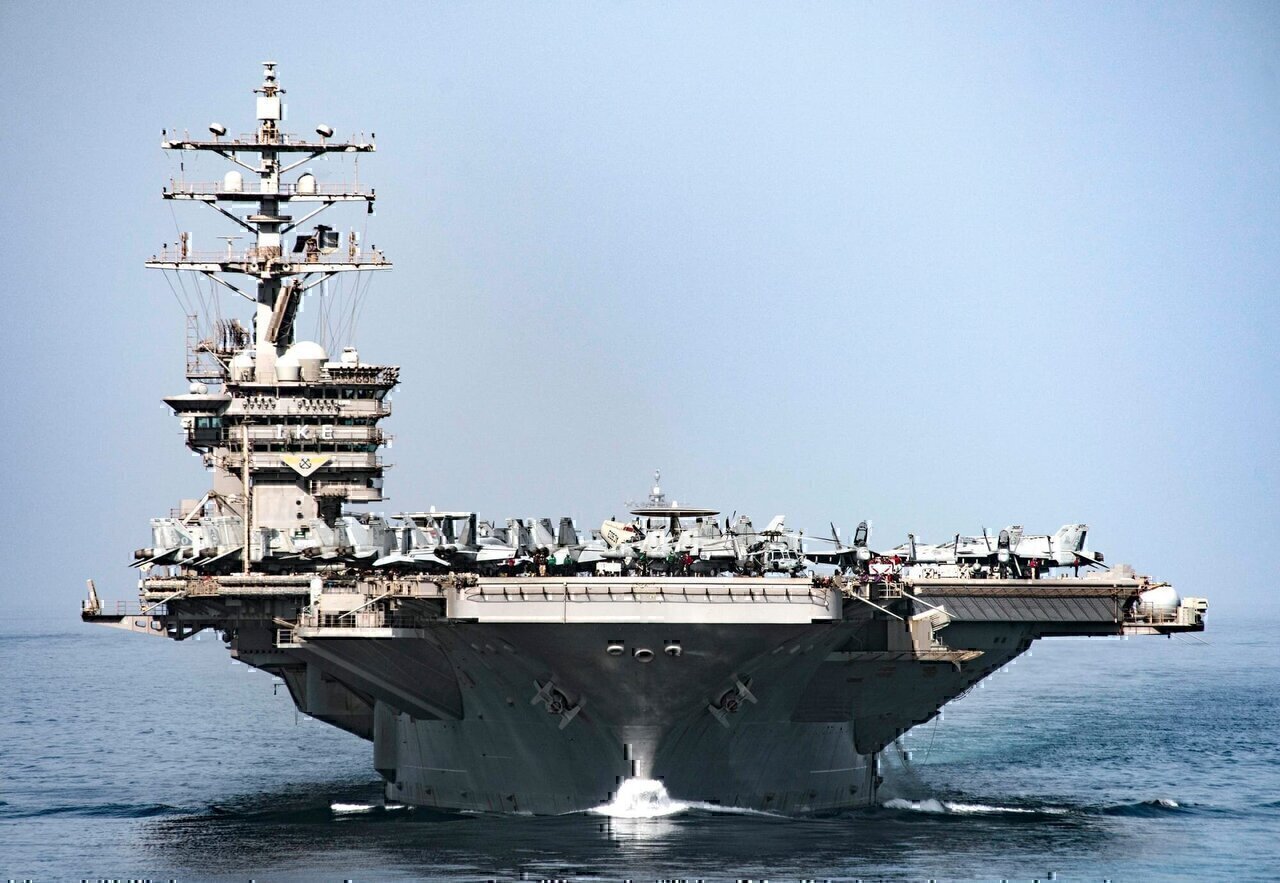
President Trump has publicly pressed allied nations to contribute to a multinational presence to keep Hormuz open, arguing that several countries are affected by any artificial restrictions on the strait. He reiterated the call in a Truth Social post and again in subsequent remarks, aiming to marshal broad support for a more assertive maritime force.
Historically, Japan did not join a U.S.-led escort mission in the Middle East during Trump’s first term in 2019, choosing instead to dispatch its own escort vessels after weighing Iran relations and other diplomatic factors. The current discussions reflect a continued sensitivity in Tokyo to balancing alliance commitments with Japan’s own security and constitutional constraints.
For U.S. readers, the issue matters beyond Tokyo’s domestic legal debates. Washington relies on a stable alliance network to secure essential shipping lanes and energy supply routes. Tokyo’s posture on whether it can or will contribute more actively to maritime security in the Strait of Hormuz could influence U.S. planning, burden-sharing, and the broader posture of the U.S.–Japan security alliance as they address security in the Middle East, Iran, and global trade flows.