Hormuz Strait traffic slows as Iran keeps oil flowing, raising price risk
A Kalisto oil tanker was docked on the 12th at Sultan Qaboos Port in Muscat, Oman, as the Hormuz Strait effectively stopped through-traffic amid rising tension from the region’s conflict. The disruption comes as Iran’s rivals have sought to constrain its exports, while Iran itself maintains a flow of crude through the vital waterway.
U.S. media reporting on the 16th drew on industry and intelligence sources to note that, since the late last month, most tanker traffic through the Hormuz Strait has paused or slowed substantially in the wake of the United States and Israel’s strikes on Iran. Yet Iran’s own oil shipments show only modest changes compared with a year earlier, suggesting Tehran continues to rely on the route to fund its economy despite the standoff.
Scott Bessent, cited as the U.S. Treasury secretary in a CNBC interview, said that Iranian tankers are already exiting the Strait and that the United States has allowed them to do so in order to keep global oil supplies flowing. He added that Iran has also increasingly allowed Indian and Chinese vessels to pass, indicating a broader tolerance for certain foreign shipments through the strait at present to prevent a global oil shock.
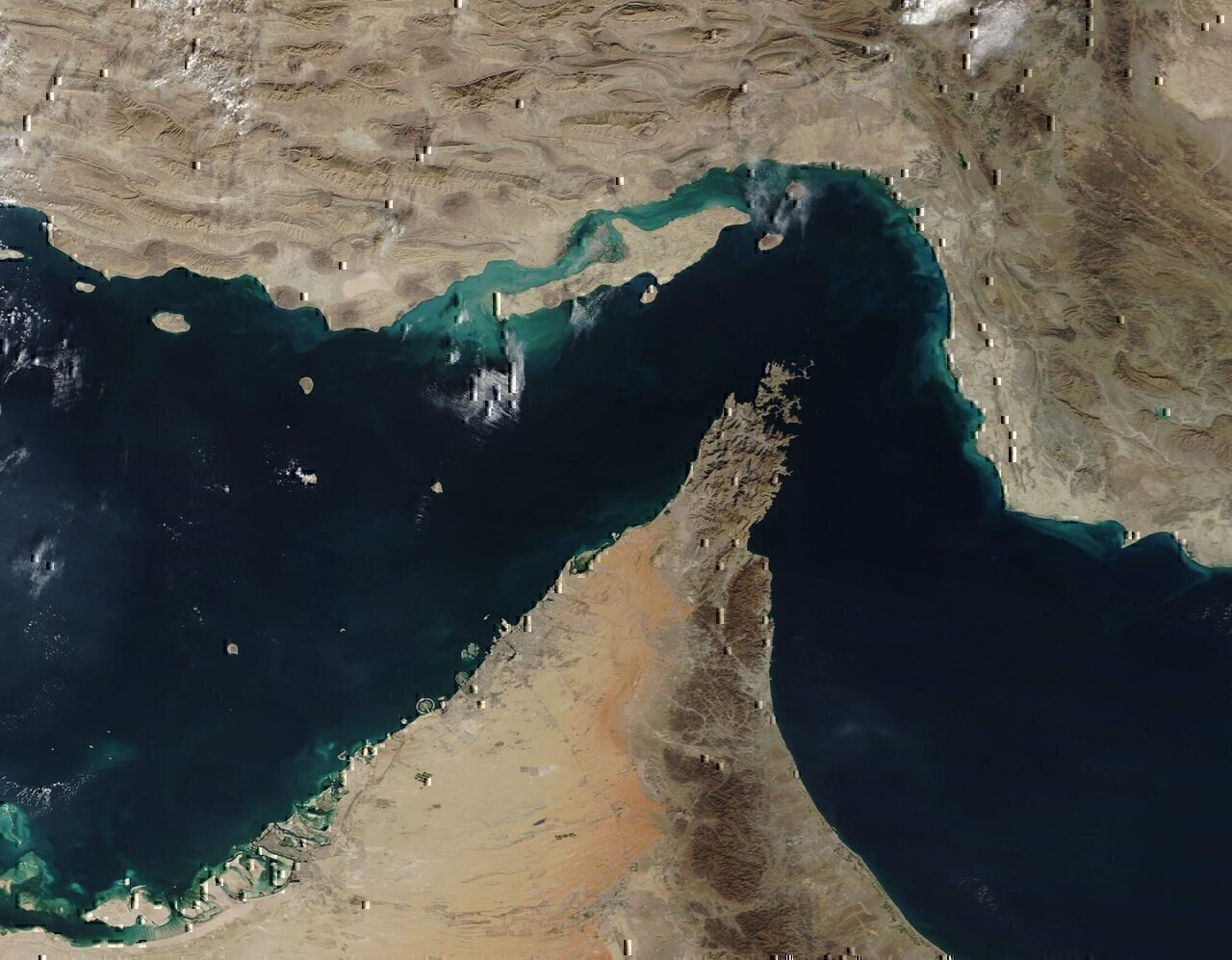
Since the war began, the number of tankers passing through the Hormuz Strait has fallen sharply, and at least 16 local ships have been struck by drones or other weapons nearby. The strait’s effective closure has caused widespread disruption to oil and gas exports from Persian Gulf states, underscoring the region’s central role in international energy markets.
Nevertheless, Iran has continued moving substantial volumes of oil through the strait, helping fund its economy and war effort. Industry data group Kpler published a report on the 12th showing Iran had exported about 12 million barrels since the conflict began, underscoring Tehran’s reliance on the route despite the heightened risk.
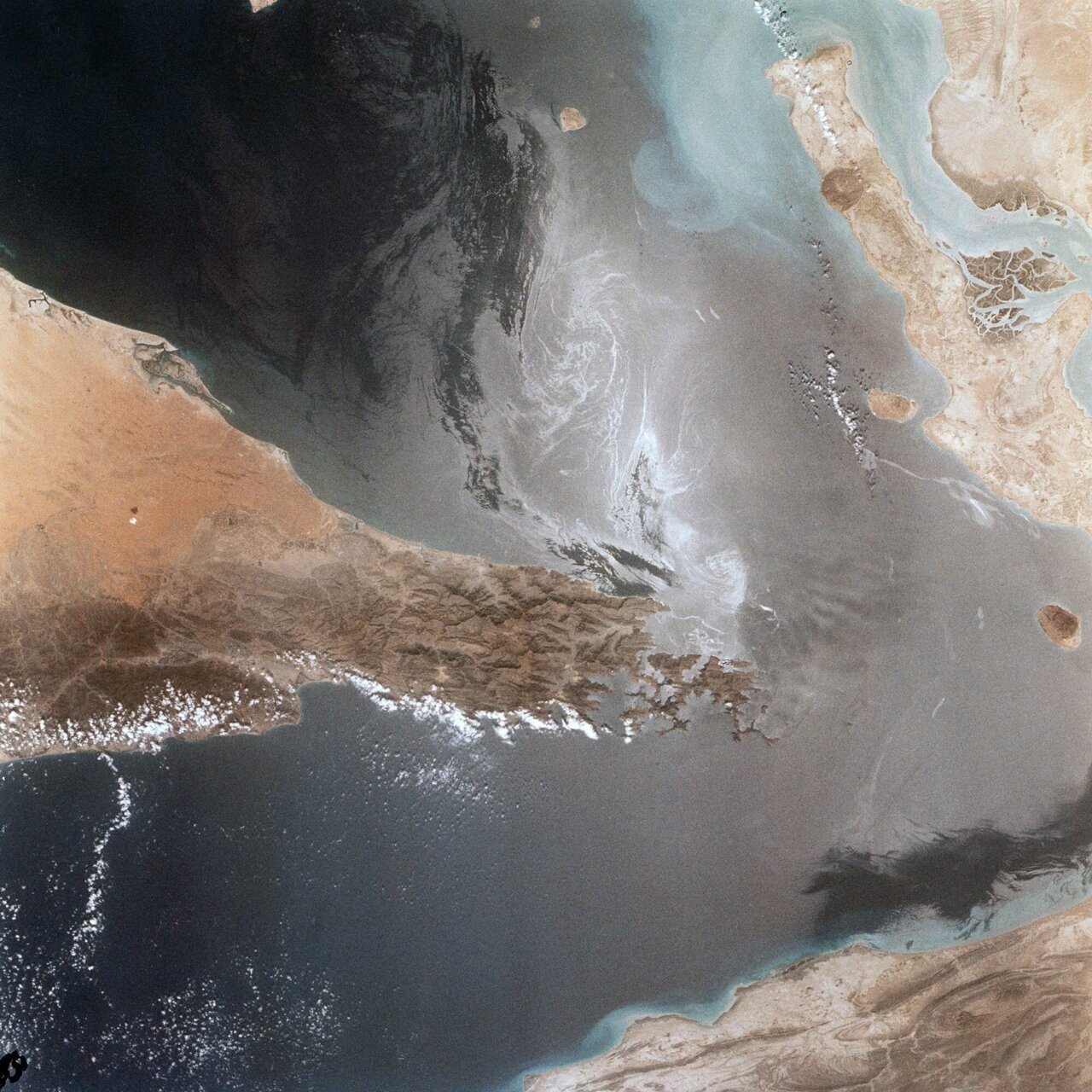
Iran’s natural gas exports have also risen, according to semi-official Iranian outlets. Iraqi authorities cited by Fars News Agency said Iraq’s daily imports of Iranian gas reached about 18 million cubic meters last week, reflecting boosted cross-border energy ties amid the broader disruption.
Iranian Foreign Minister Abbas Araghchi told CBS in an interview on the 15th that the Hormuz Strait remains open, with passage restricted only for ships from adversaries or their allies. He suggested that other vessels may pass freely, framing the current limits as targeted rather than a complete closure.
The wider question for U.S. readers is what happens next in a moment when a single chokepoint could send oil prices higher and supply chains at risk. While some regional players have alternative ports—Saudi Arabia can reroute some traffic to the Red Sea and UAE exporters can use facilities at Fujairah—Iran has far fewer viable options beyond Hormuz. U.S. policy, including decisions about how aggressively to enforce sanctions and interdiction, will largely determine whether global energy markets face renewed volatility or a degrees of stability in coming weeks.