Israel Launches First Ground Operation in Southern Lebanon Against Hezbollah
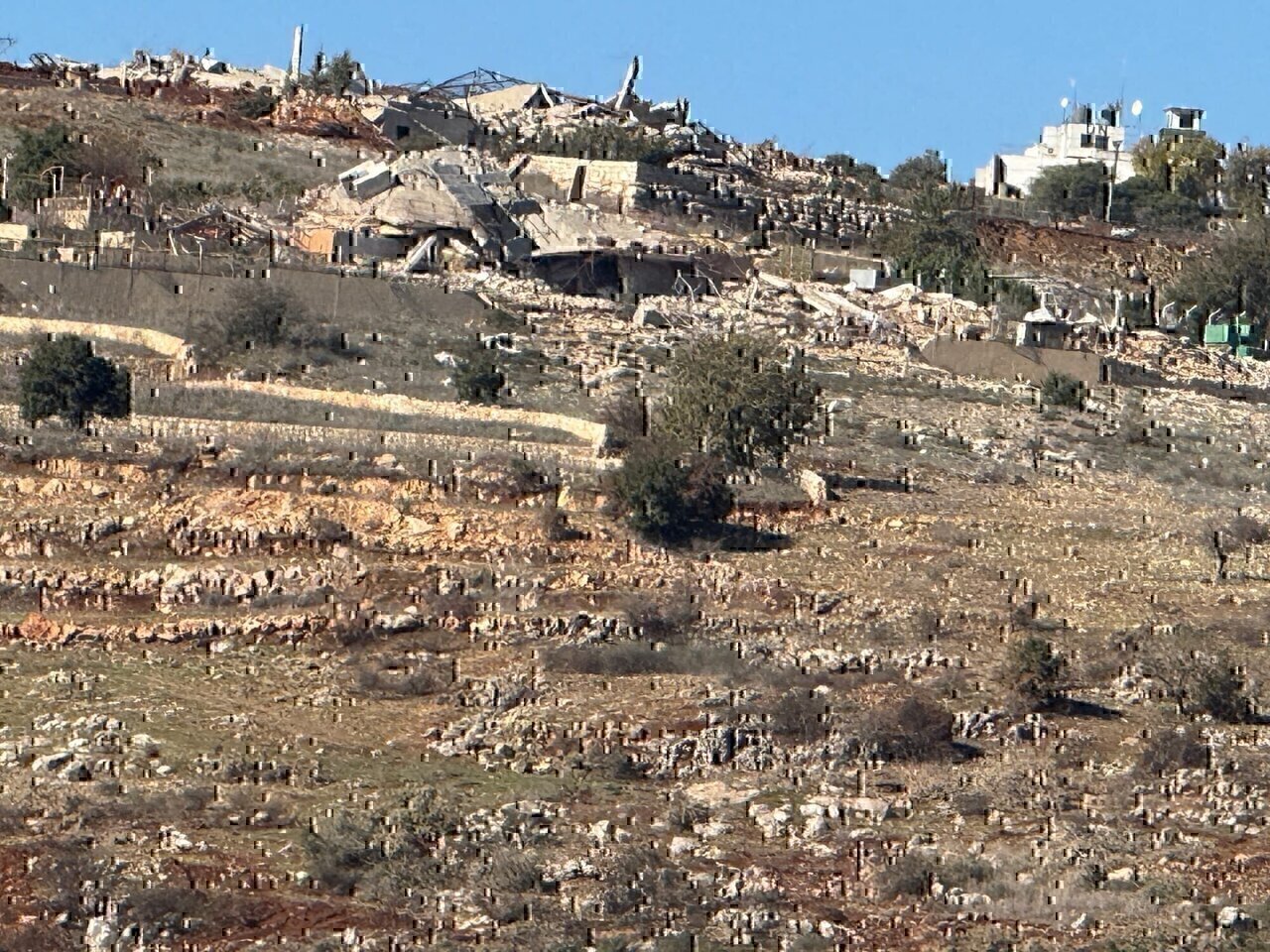
Israel has launched a ground operation in southern Lebanon, marking what foreign outlets describe as the first ground offensive in this war with Iran-backed groups. The move comes as Israel has since the start of the conflict carried out intense airstrikes in the southern Lebanese region, which borders northern Israel and is a stronghold of Hezbollah.
The Israeli military said the operation began recently on a limited scale against Hezbollah positions in southern Lebanon. It described the mission as part of broader defensive measures to bolster safety for northern Israeli communities and to disrupt the militant group’s operations.
Reports from British broadcaster BBC and other outlets indicate that the 91st Division of the Israeli army has deployed into Lebanon for the ground operation. Israeli media have cited three divisions currently taking part, with two more expected to be deployed in the coming days.
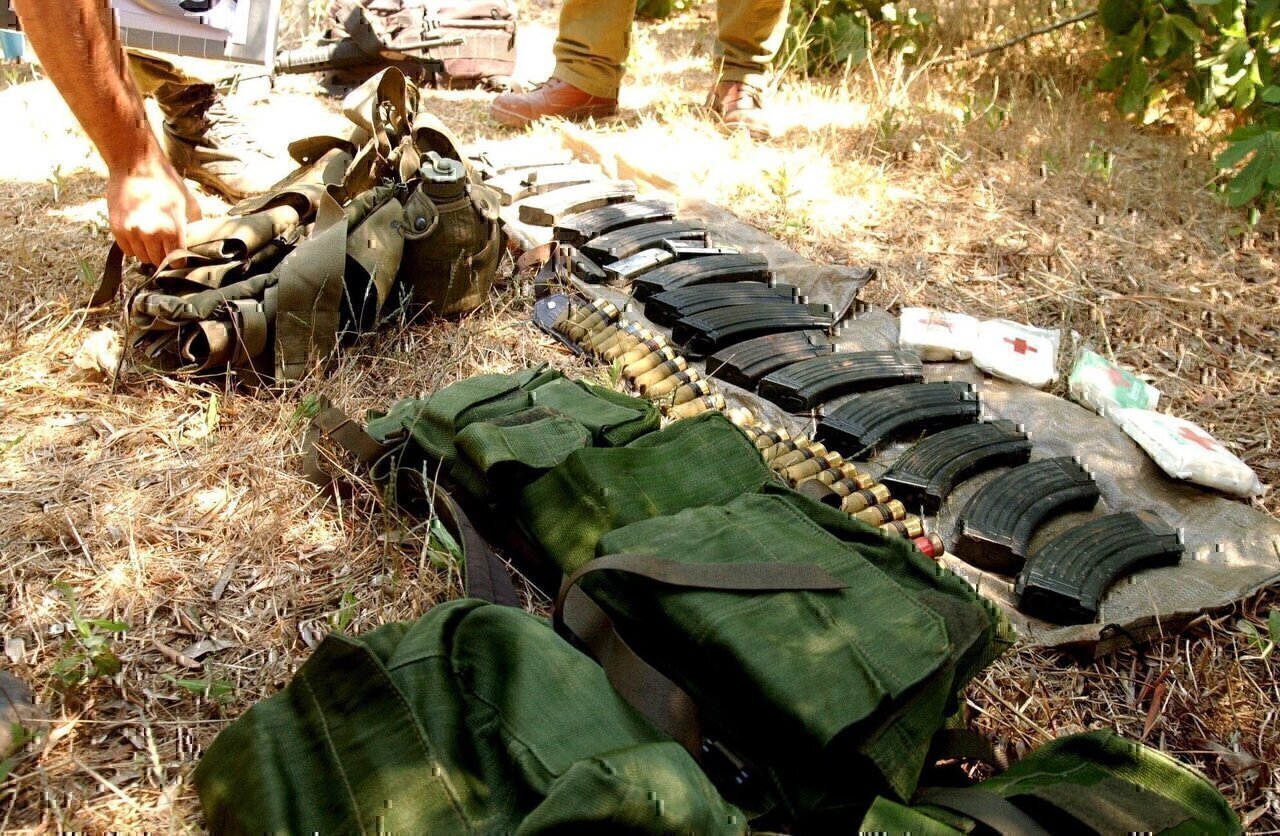
IDF spokesman Colonel Nadav Shoshani warned that Hezbollah seeks to widen its operations from southern Lebanon, noting that hundreds of fighters from Hezbollah’s elite Radwan unit have been deployed and that hundreds of rockets have been fired daily. The statements align with Israel’s emphasis on neutralizing Hezbollah as part of its broader war objectives.
The Wall Street Journal has described the Lebanese front as potentially prolonging the conflict, suggesting the war could endure for some time. It cited assessments that the campaign in Lebanon might test Israel’s ability to sustain combat on multiple fronts and asked whether the Israel Defense Forces can wage a protracted multi-front war, given years of reservist-heavy deployments.
Israel’s defense minister has warned that residents in northern Lebanon will not be able to return home until Hezbollah’s threat is fully removed, a stance that WSJ notes implies the potential for prolonged changes to occupancy and control along parts of the Lebanon-Israel border. The article also referenced discussions about the possibility of indefinite control, drawing a comparison to Gaza operations.
The broader context remains the Gaza front. Since Hamas’s attack on Israel in October 2023, Israel has controlled much of Gaza’s territory as it pursues its campaign against Hamas, while expanding the conflict with Hezbollah in Lebanon is viewed by observers as widening the war against Iran’s regional allies.
Some foreign reports have claimed that Israel’s air-defense interceptors are running low as the war drags on and the front expands. Israeli officials have pushed back on this, with IDF spokespeople saying there is no shortage of interceptors and that stockpiles are sufficient to meet current needs, while acknowledging ongoing pressure on defenses.
For the United States, the Lebanon front adds a new dimension to a U.S.-Israel security relationship and to regional stability in the Middle East. A wider war across multiple fronts could affect American defense planning, military aid and arms supply chains, and the global energy market by increasing geopolitical risk in a region that supplies a substantial share of global oil and gas flows. It also shapes U.S. intelligence priorities, alliance dynamics, and diplomatic efforts aimed at preventing regional spillover and stabilizing neighboring Lebanon and Syria. Context on Hezbollah and the Lebanon border, the Gaza conflict, and the broader Iran challenge helps U.S. readers gauge potential implications for markets, technology supply chains, and security policy.