South Korea's ruling party fields Oh Se-hoon as Seoul mayor candidate
South Korea’s ruling party wrapped up the nomination process for several major local elections, with Oh Se-hoon registering as the People Power Party (PPP) candidate for 서울시장, or Seoul mayor, after a lengthy delay. Oh spoke at Seoul City Hall on May 17, saying he would run “with a sense of responsibility to Seoul citizens and the party.” The registration came just hours before the 6:00 p.m. deadline.
The PPP’s Seoul mayor field also includes Park Soo-min, a Gangnam-area first-term lawmaker who previously held government roles in planning and finance; former lawmaker Yoon Hee-sook; Lee Sang-gyu, the PPP district chairman for Seongbuk in northern Seoul; and a fifth candidate who was not publicly named at the time of registration. Oh’s entry keeps the slate competitive in a high-stakes race for South Korea’s capital city.
Oh’s decision to run followed a period of internal tension within the PPP. He had urged the party leadership to launch a reform-driven campaign apparatus and to replace several party officials, but did not register during the earlier recruitment rounds. With the likelihood of strong public support for his leadership, Oh ultimately joined the race three hours before the registration deadline.
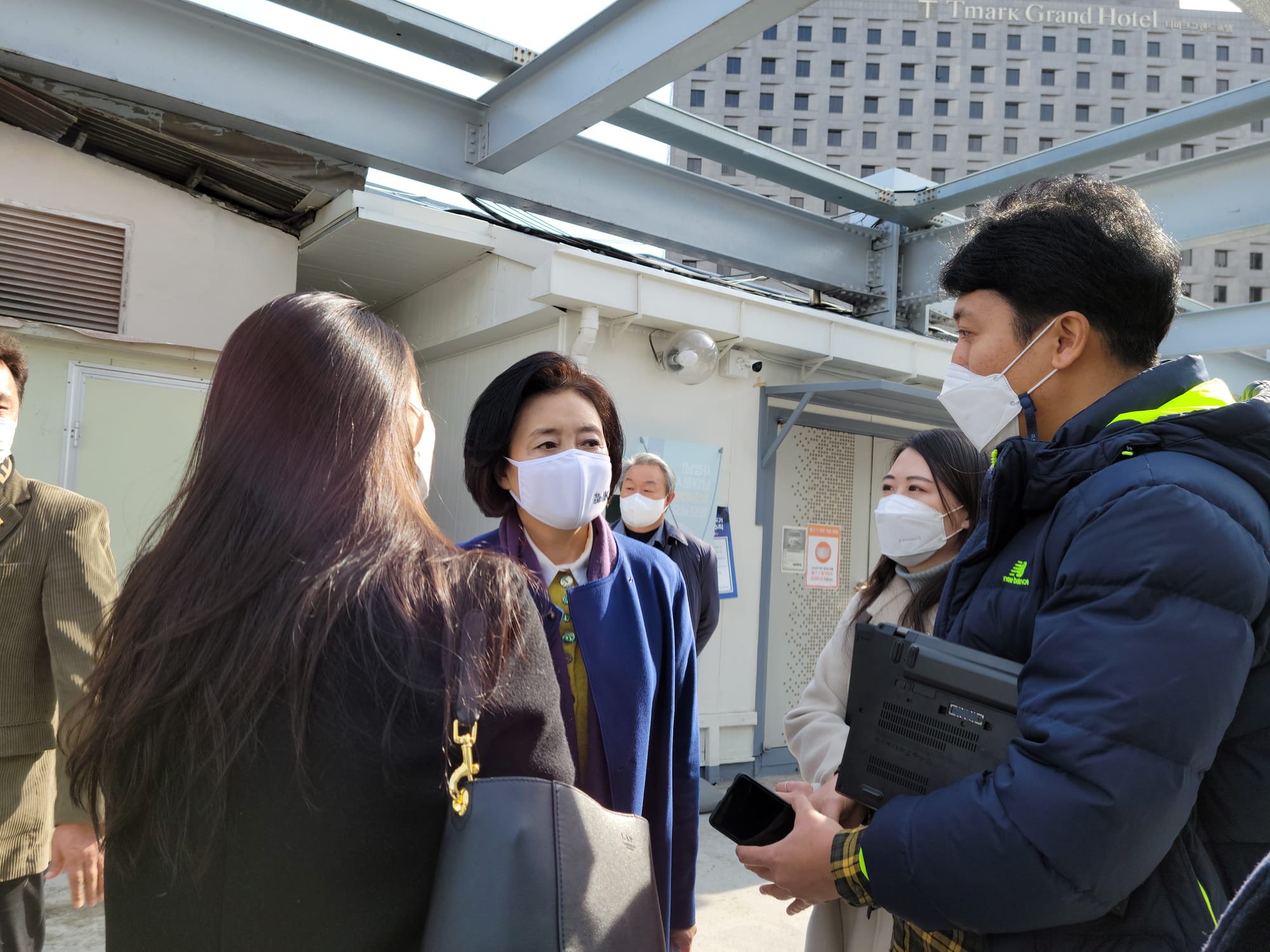
In his public remarks, Oh continued to fault the party leadership for not showing a clear will to reform and for not cutting ties with certain far-right online personalities. He warned that the party’s current stance risked steering Seoul and its candidates toward unfavorable outcomes, arguing that the leadership’s approach could jeopardize efforts by many candidates and party members on the front lines.
The party’s nomination committee chair welcomed Oh’s decision, calling it a meaningful and responsible choice ahead of a critical election for Seoul’s future. The chair framed the move as a step toward “great politics” that would offer hope to citizens in Seoul.
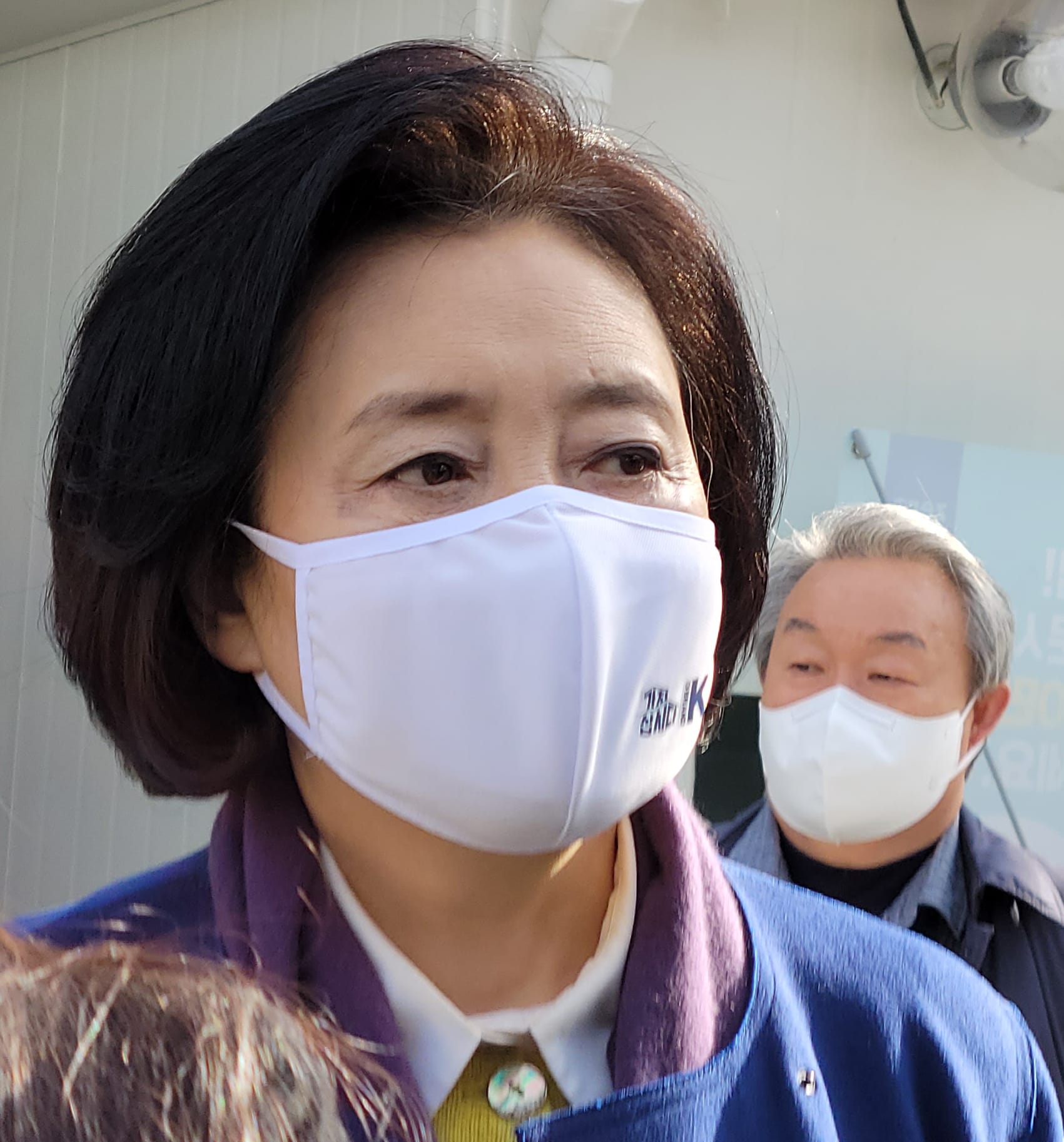
Separately, in Busan, the party’s central nomination committee moved to resolve a contested process over the mayoral candidate. After initial reports that Park Hyung-joon could be disqualified, the committee announced a primary between Park Hyung-joon and Jo Jin-woo. Local lawmakers had pressed back against the disqualification plan, arguing for a fair selection process amid internal party disagreements. The Busan case comes amid broader questions about candidate selection in several cities, including those where veteran lawmakers might still face pre- nomination challenges in other municipalities such as Daegu.
In Chungcheongbuk-do, incumbent governor Kim Young-hwan faced one of the election cycle’s first formal challenges to his candidacy: prosecutors sought a pre-arrest detention warrant on bribery-related charges. Police allege that Kim accepted cash totaling 11 million won from sports officials in two trips abroad and that an interior-cost arrangement for a farm hut was funded by sports officials. Kim has stated he will run regardless and said he would consider filing a provisional injunction against the nomination committee’s actions.
Context for U.S. readers: Seoul is Korea’s political and economic hub, and its mayoralty shapes urban policy, housing, transit, and digital governance that affect a wide range of multinational businesses and supply chains tied to Korea’s tech-heavy economy. Internal party realignments and primary battles in Seoul, Busan, and other cities illustrate how the ruling party plans to steer urban reform ahead of the June 3 local elections. Corruption cases involving incumbents—such as the Chungcheongbuk-do case—also test Korea’s governance standards, with potential implications for foreign investors and the certainty of local policy environments in a country central to regional tech supply chains and security partnerships with the United States.