South Korea's president urges a people-centered autonomous police amid reform debates
South Korea’s President Lee Jae-myung delivered a speech at the 2026 Joint Appointment Ceremony for new police officers on March 17, held at the Police University campus in Asan, South Chungcheong Province. The event marked the swearing-in of officers across different ranks, including new lieutenants and inspectors.
In his remarks, Lee urged the entrants to be “the people’s police,” serving only the public and upholding equality before the law regardless of rank. He said that decisions made by officers on the front lines define the state’s use of authority and stressed that police actions must be refined, fair, transparent, and produce just outcomes.

The address comes amid ongoing debates in Korea over prosecutorial reform and concerns that investigative power could be weakened. Lee’s message was widely interpreted as a call to strengthen the police role within the broader justice system.
Lee also praised Korea as one of the safest nations in the world, attributing part of that record to the sacrifices and dedication of roughly 140,000 police officers. He noted a very low violent crime rate among advanced economies and a high crime-clearance rate, crediting police with leading efforts against cross-border scams and crime prevention, which he described as contributing to nationwide public safety.
He indicated that the police must continue to adapt by expanding the autonomous policing system gradually and by building a tighter, field-based security cooperation with citizens. This approach would emphasize close collaboration between police and communities to deter crime and respond to local needs.
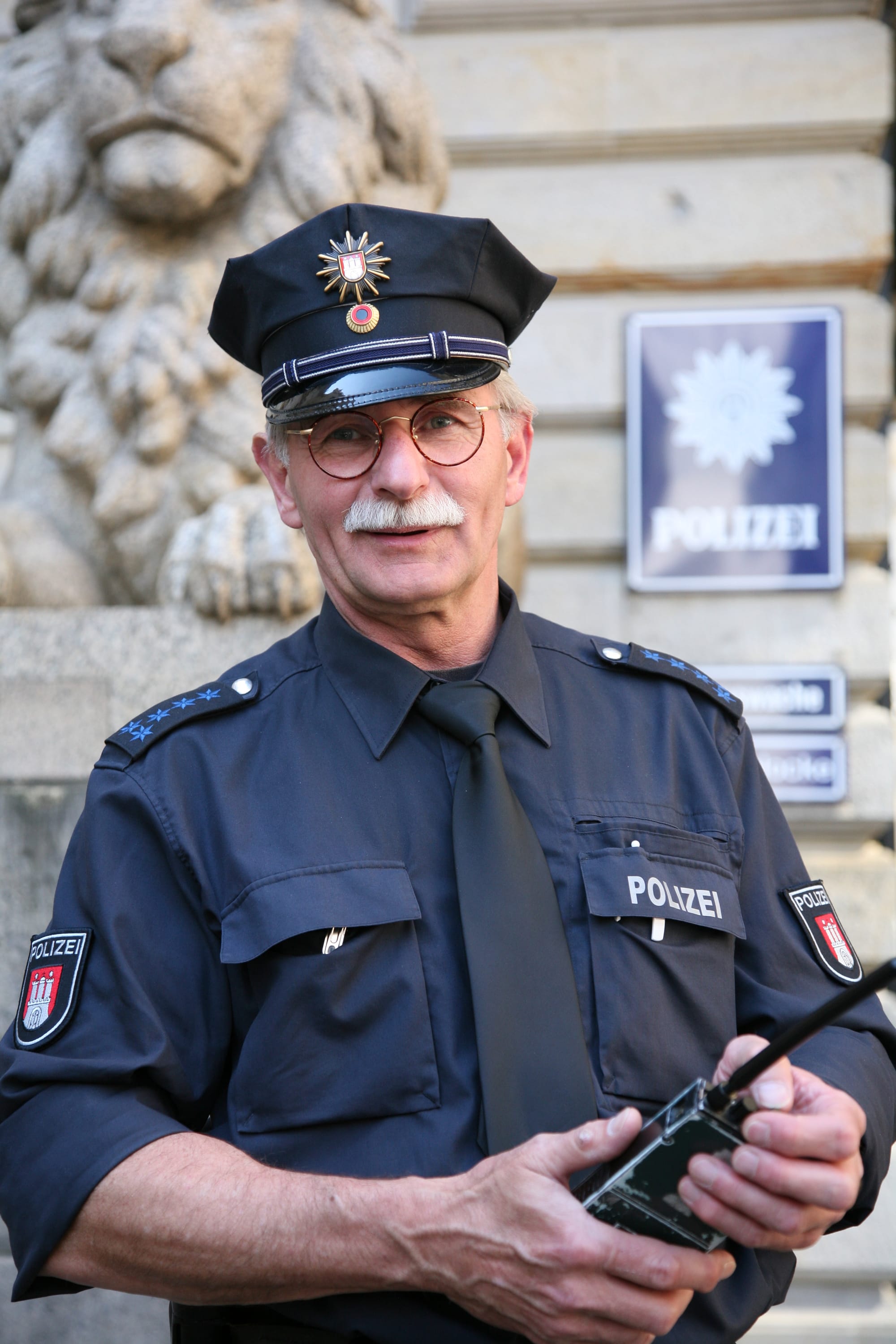
During the ceremony, 153 people were sworn in: 93 police academy students, 50 new officers through open recruitment for lieutenants/inspectors, and 10 lawyers hired through a competitive career-track process. The composition underscores Korea’s emphasis on combining traditional policing with new professional pathways.
The event highlights how Korea frames its public-safety strategy amid reform debates and shifts toward more localized policing. For international observers, the focus on police-led safeguarding, transparency, and civilian collaboration has potential implications for regional security cooperation, technology investment, and governance practices that could influence U.S.-Korea security and law-enforcement cooperation.