Incheon nets three Vietnamese in MDMA precursor smuggling linked to villa-based lab
Incheon Airport Customs said three Vietnamese nationals were arrested on drug-control charges after smuggling MDMA precursor materials into Korea and establishing a facility to manufacture the drug in a residential villa. The agency said the three suspects have been forwarded to the Incheon District Prosecutors Office for detention.
The suspects imported a total of 5.4 kilograms of MDMA precursors, including safrole and glycidate, with an estimated market value of about 8.88 billion won. Officials said the material amount could yield about 29,430 simultaneous MDMA doses if fully processed.
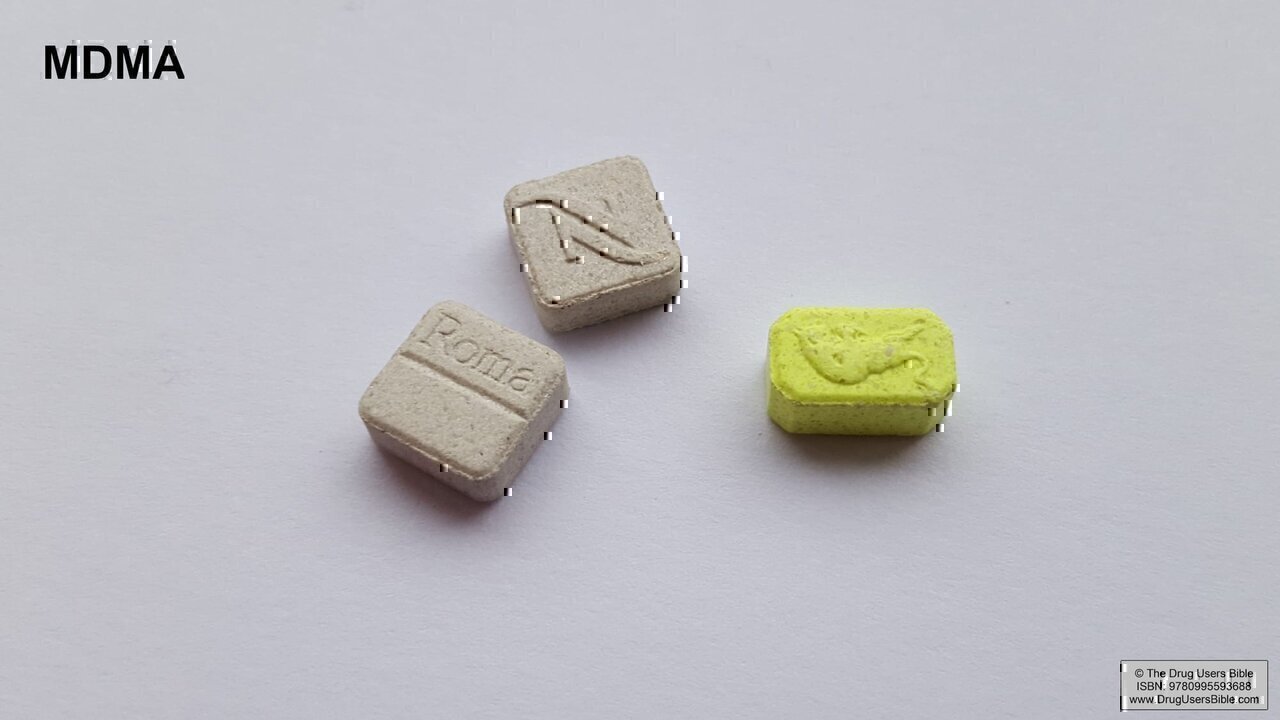
Investigators described a coordinated network with defined roles. One person, identified as B, ordered the precursor chemicals from a supplier in Vietnam. Two others, A and C, employed forged identities to receive the shipments, after which B allegedly manufactured MDMA at a separately prepared facility.
The production site was a villa in a residential neighborhood, equipped with laboratory tools and a pill-press to clandestinely produce MDMA. Authorities warned that the facility contained hazardous chemicals and posed risks of explosive accidents and exposure.
The crackdown began last August, following the discovery of 300 grams of cannabis sent via international mail from Thailand. By tracing the mail recipient, investigators uncovered the wider network and seized additional precursor materials. They later arrested A, and, as the probe widened, located B in Gyeongsan, North Gyeongsang Province, who carried out the actual manufacturing, with C also implicated.
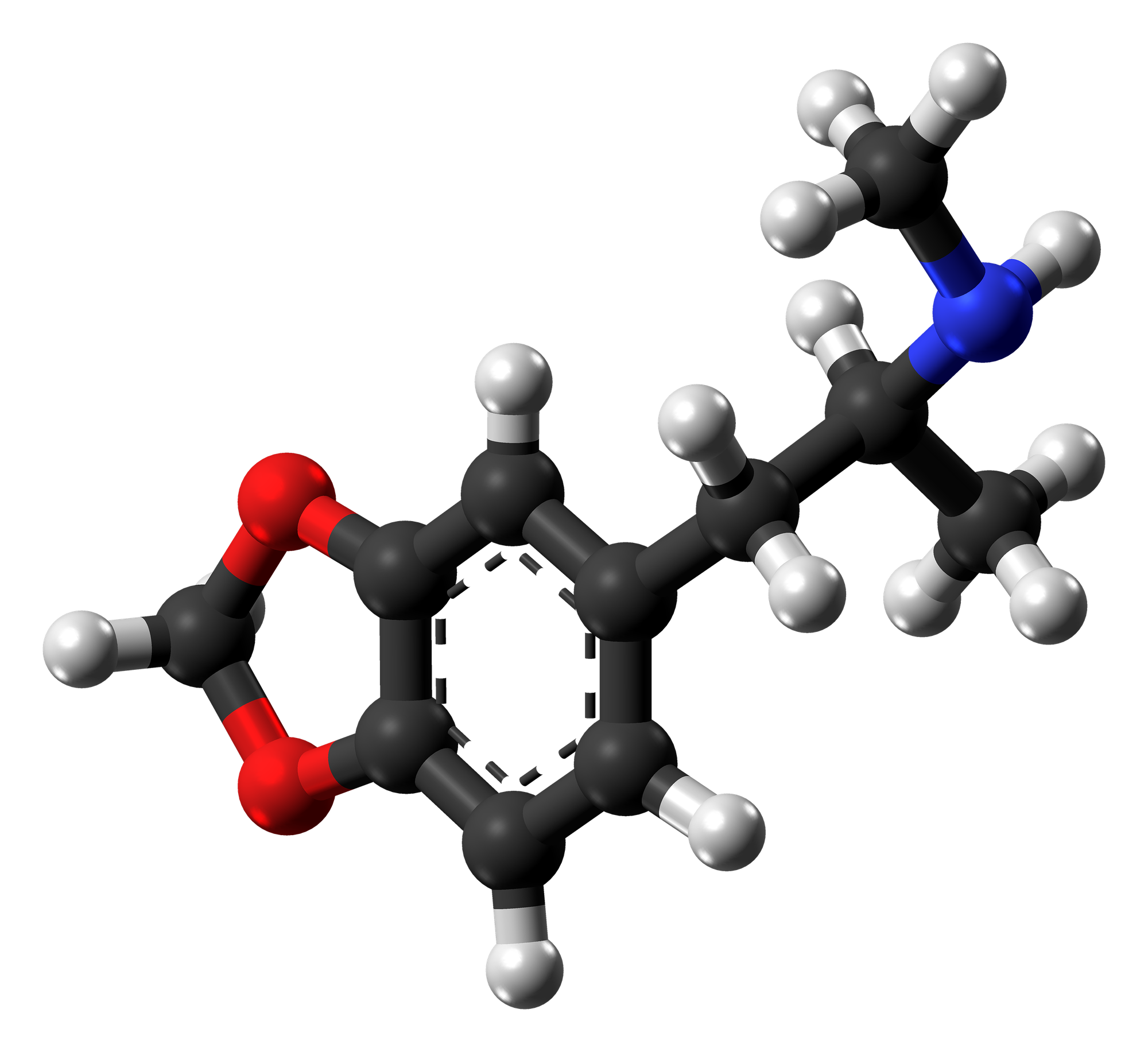
Officials from Incheon Customs described this as the first case in Korea to trace the full chain from overseas precursor smuggling to domestic MDMA production and distribution. They said the case illustrates a growing method in which criminals import precursors rather than finished drugs, enabling local manufacture.
For international readers, the episode underscores broader implications beyond Korea: cross-border chemical supply chains, evolving criminal techniques, and the increasing role of online information—including AI tools—in illicit drug production. It highlights why cross-national enforcement and regulatory cooperation on chemical precursors matter to global public health, border security, and drug market stability.