Iran names Mojtaba Khamenei as new Supreme Leader
Iran’s supreme religious authority has a new figurehead. The country’s Assembly of Experts, a body of 88 senior clerics empowered to elect and oversee the Supreme Leader, announced that Mojtaba Khamenei, the son of the late Ayatollah Ali Khamenei, was chosen as the new leader after the death of the current Supreme Leader in late February in what authorities attributed to U.S. and Israeli airstrikes.
The selection process, conducted mostly by video conference, relied on sealed wax ballots. A first round of voting was followed by a second, with the final result announced after the clerics placed envelopes into a sealed container and the votes were tallied. The official tally showed Mojtaba Khamenei winning 59 of 88 votes, surpassing the three-fifths requirement but not achieving complete unanimity.
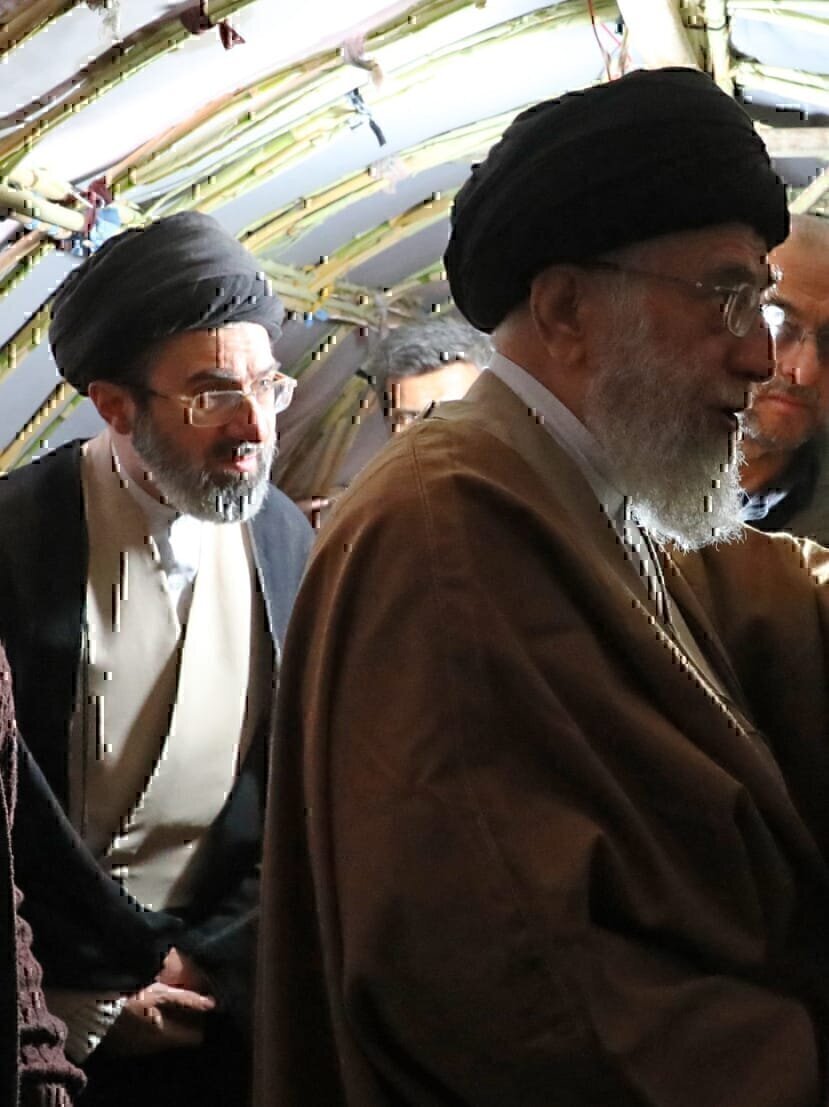
Analyses in international media have framed the outcome as a reflection of a broader power struggle inside Iran, pitting hardline elements closely aligned with the Revolutionary Guards against more moderate factions seeking a different approach to domestic governance and foreign policy. The New York Times cited ongoing tensions within the political-security apparatus as a backdrop to Mojtaba’s selection, including behind-the-scenes maneuvering and rivalries over who would sit at the top of the regime.
Reports described competing signals about Mojtaba’s readiness to assume the post. Some accounts noted that the decision followed internal disagreements about the leadership succession, and that Mojtaba had not been publicly visible during earlier discussions about potential successors. There were also references to debates over whether the list of three potential successors presented by the late leader should be revised.
Security concerns and regional tensions influenced the process. The day after the initial vote, there were reports that Israel had attacked facilities associated with Iran’s leadership in Tehran, underscoring the fragile security environment in which the Assembly of Experts operates. Iranian officials indicated that the vote would proceed in a manner consistent with constitutional procedures, despite the extraordinary circumstances surrounding the leadership transition.
In addition to the formal vote, the political dynamics centered on whether hardline factions would consolidate power or whether moderates could still shape new governance. Supporters of Mojtaba’s ascent framed the outcome as preserving the regime’s continuity and policy direction, while opponents expressed concerns about increased consolidation and reduced space for reform.
For U.S. readers, the leadership transition matters beyond Iran. The Supreme Leader controls key aspects of Iran’s foreign policy, security posture, and the overarching direction of the Islamic Republic’s nuclear and missile programs, as well as its support for regional allies and proxies. A leadership shift perceived as more conservative could affect negotiations on security assurances, sanctions, and economic policy, with potential implications for energy markets, supply chains, and stability in the Middle East. The event also signals how Iran’s top clerical institutions operate under sustained external pressure and in a highly tense security environment.