South Korea Faces Unhealthy PM2.5 as Seoul Enacts Emergency Dust Measures
Spring warmth continues across South Korea, but fine dust has returned to cloud the air. Forecasters say PM2.5 levels are expected to remain in the unhealthy range across most parts of the country tomorrow.
In the Seoul metropolitan area and South Chungcheong Province, authorities plan to implement emergency ultrafine-dust reduction measures to curb emissions. Officials also advise residents to wear medical masks outdoors while air quality remains poor.
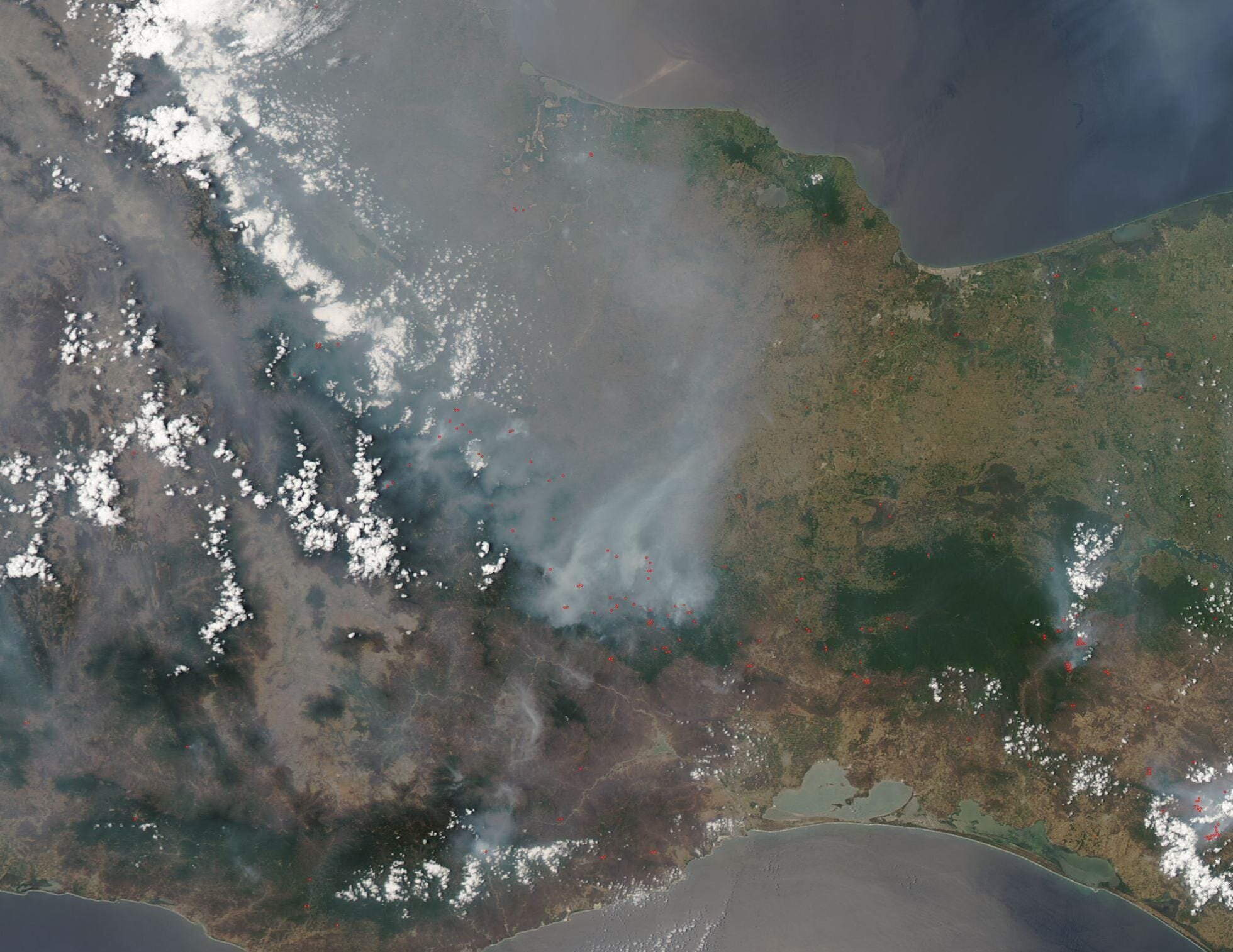
Dense fog is forecast to linger in inland areas of Chungcheong and Honam through the morning, affecting the commute. Otherwise, skies are expected to be largely clear nationwide.
Morning lows will be chilly in places, with Seoul at about 2C and Chuncheon around -2C. By midday, temperatures are forecast to rise to roughly 15C in Seoul and 18C in Gwangju, signaling a warmer afternoon than today.
The weather pattern this spring brings sizable day-to-night temperature swings, and rain is expected to fall in most regions the day after tomorrow.
Why this matters to U.S. readers: Korea’s air-quality episodes have direct health implications for residents and can influence outdoor activity, transport, and worker productivity—factors that can ripple through supply chains tied to Korean manufacturers and exporters of electronics, components, and autos. For U.S. companies and policymakers, Korea’s air-pollution policies and weather patterns are part of the regional environmental risk landscape that can affect markets, logistics, and energy use.
Context for non-Korean readers: PM2.5 refers to fine particulate matter 2.5 micrometers in diameter or smaller, which can penetrate deep into the lungs. The term “emergency ultrafine-dust reduction measures” in Korea refers to temporary, county- or city-specific steps to curb emissions from industry and vehicles when air quality deteriorates, with the Seoul metropolitan area comprising Seoul, Incheon, and surrounding Gyeonggi Province. The Honam region covers Jeollabuk-do and Jeollanam-do, while Chungcheong spans Chungcheongbuk-do and Chungcheongnam-do.