Hyundai unveils All-New Nexo, modular hydrogen refueling at Tokyo expo
Hyundai Motor Group took part in the International Hydrogen & Fuel Cell Expo 2026, which opened at Tokyo Big Sight in Tokyo on the 17th. The company used the event to showcase its hydrogen mobility strategy, including the All-New Nexo hydrogen fuel-cell SUV.
The All-New Nexo displayed at the expo is powered by a 150-kilowatt electric motor and can accelerate from 0 to 100 kilometers per hour in 7.8 seconds. Hyundai says the vehicle can travel up to about 720 kilometers on a full charge and a typical hydrogen fill of around five minutes. The Japanese-market version adds V2H capability, designed to keep power available during emergencies such as blackouts or earthquakes.
Hyundai also demonstrated charging the Nexo using its Automatic Charging Robot-Hydrogen (ACR-H) developed by Robotics Lab. ACR-H relies on vision AI and high-precision control to connect the vehicle to the charger automatically, enabling around-the-clock, unmanned operation to improve charging efficiency and customer convenience.
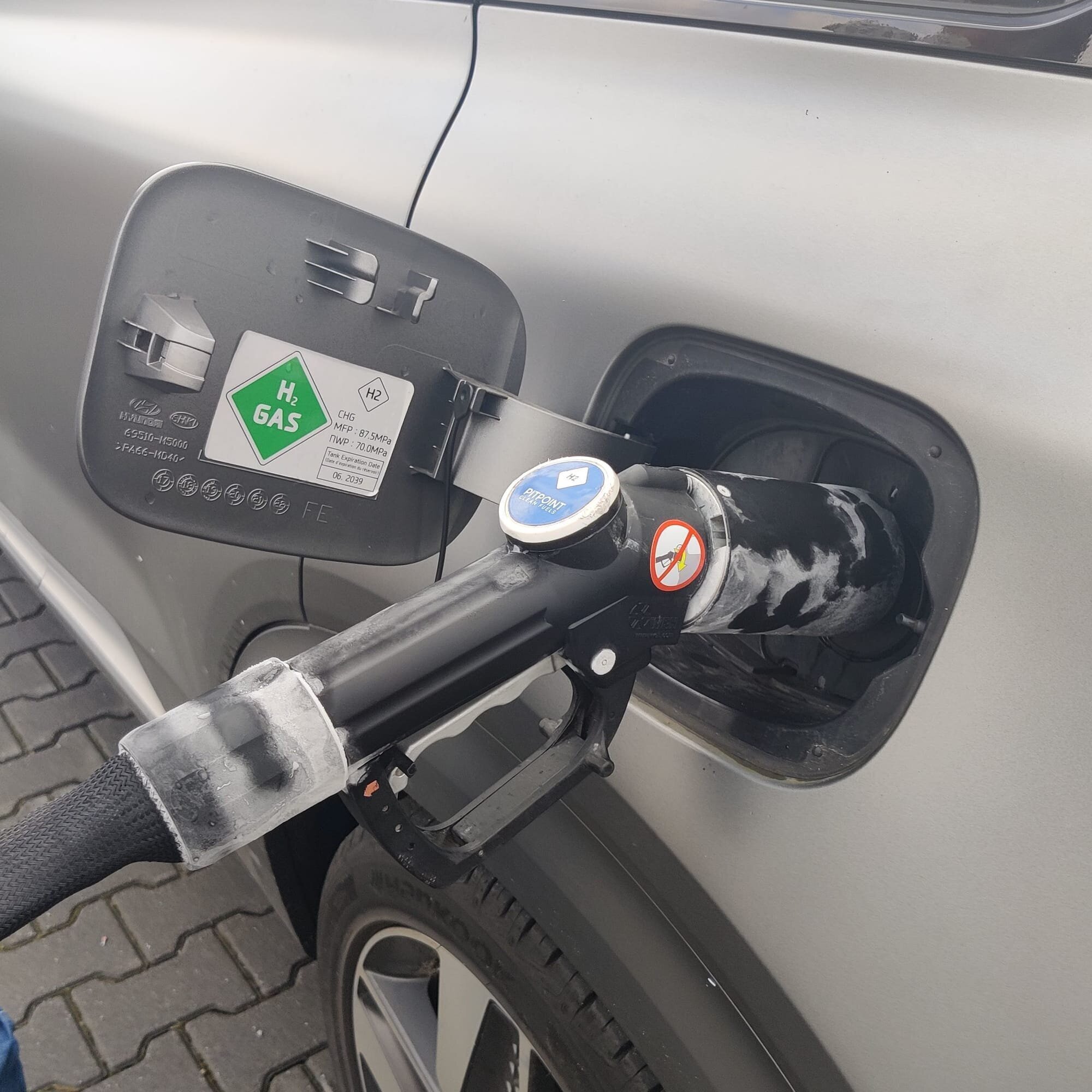
In addition to the vehicle, Hyundai displayed a “package-type” hydrogen refueling station, a modular containerized concept intended to streamline deployment and integration of hydrogen refueling infrastructure.
Beyond passenger vehicles, Hyundai outlined broader hydrogen applications, including a hydrogen burner that mixes hydrogen with air to generate heat for industrial processes. The company plans to roll out hydrogen burners for high-temperature manufacturing starting at its Ulsan plant’s paint oven, with a goal of converting about 5,000 LNG burners to hydrogen burners domestically and expanding the program to North America and Europe.

The expo includes talks on an Electrification Solution Powered by Fuel Cell Technology, which covers hydrogen development history and the value chain for hydrogen products and technologies. Hyundai regards itself as a co-chair of the Hydrogen Council and said it would use the expo to discuss collaboration with Japanese members to expand the hydrogen ecosystem.
A Hyundai official cited HTWO, the company’s hydrogen business brand, as central to presenting the complete hydrogen value chain in Japan, noting that the Nexo launch in Japan is part of accelerating hydrogen industry development both domestically and internationally.
Why this matters to the United States: Hyundai’s emphasis on hydrogen vehicles, modular refueling infrastructure, and hydrogen-based heating for manufacturing signals a broader push toward a hydrogen economy that could affect the U.S. auto and energy supply chains. The technologies on display—including automated charging robotic systems, containerized refueling stations, and large-scale fuel-cell-based heat applications—could influence American investment, standards, and policy debates around hydrogen infrastructure, decarbonization of manufacturing, and cross-border collaboration with Asia-Pacific partners.